China’s control transformer sector is expanding with automation, renewable power, and industrial electrification. The IEA’s Electricity 2024 report projects global electricity demand to grow by about 4% annually through 2026. This growth increases supplier choices, but also increases quality risks. A reliable manufacturer should provide traceable materials, stable production records, and clear testing evidence. Ask for compliance with IEC 61558-2-2, insulation-class details, temperature-rise results, and routine test reports. Do not accept a certificate alone.
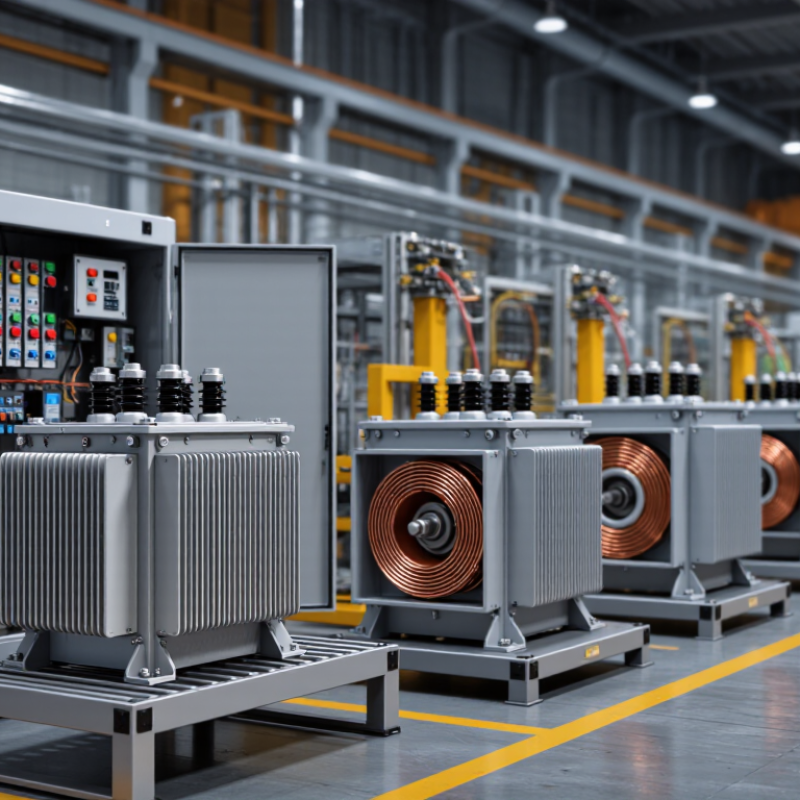
Factory experience matters. Request photographs of winding equipment, final inspection areas, and sample nameplates. Check whether copper size, core material, and varnish treatment match the approved design. For export projects, confirm voltage tolerance, frequency, mounting dimensions, terminals, and packing protection before production. The manufacturer should explain failure handling in practical terms. Vague promises are warning signs.
Look beyond price. The World Energy Investment 2024 report from the IEA shows continuing investment in grids and electrification, creating pressure for dependable components. A low quotation may hide thinner insulation, weaker terminals, or inconsistent testing. I would also request three recent, verifiable project references, while protecting confidential information. My own selection process is not perfect; small documentation gaps can still appear after approval. That is why a witnessed sample test and a written quality agreement remain worthwhile.