Top 5 Distribution Transformers Tips for 2026 Canton Fair?
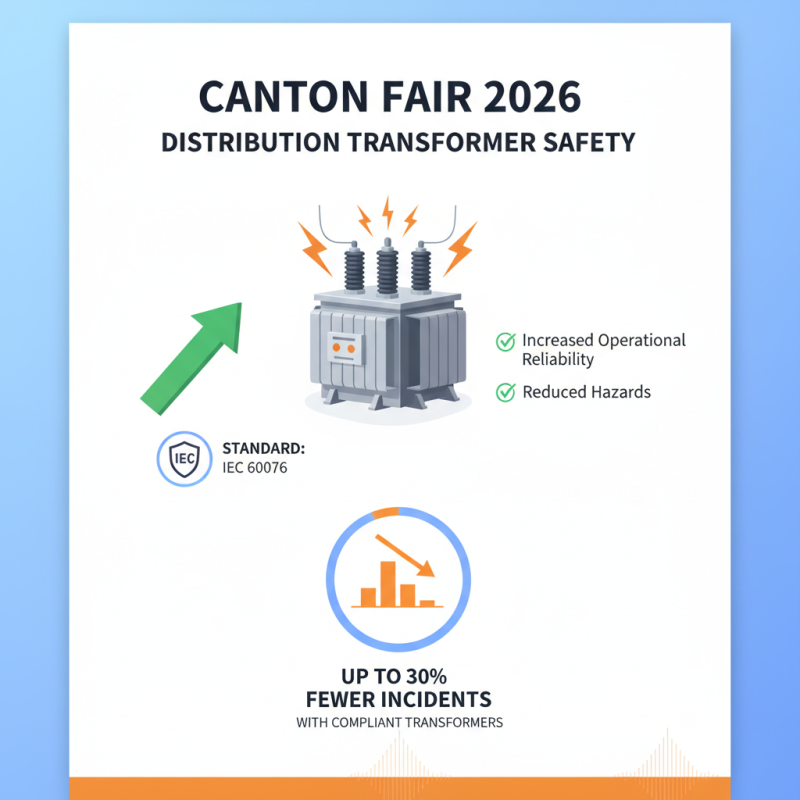
As we approach the 2026 Canton Fair, the focus on Distribution Transformers becomes increasingly significant. According to industry reports, the global demand for distribution transformers is projected to reach $23 billion by 2025, highlighting the market's growth. Manufacturers must be prepared to showcase their innovations and certifications.
The 139th Canton Fair, running from April 15 to May 5, 2026, introduces AI-driven features. Buyers can filter suppliers based on specific qualifications, enhancing the procurement process. This optimization could be crucial for distribution transformer vendors, especially those holding ISO and CE certifications.
However, there's still work to do. Many suppliers struggle to meet rising quality standards. Exhibitors should reflect on their current practices. Continuous improvement is necessary to remain relevant in this competitive landscape. Preparing effectively for the fair could be the key to future success in the distribution transformer market.
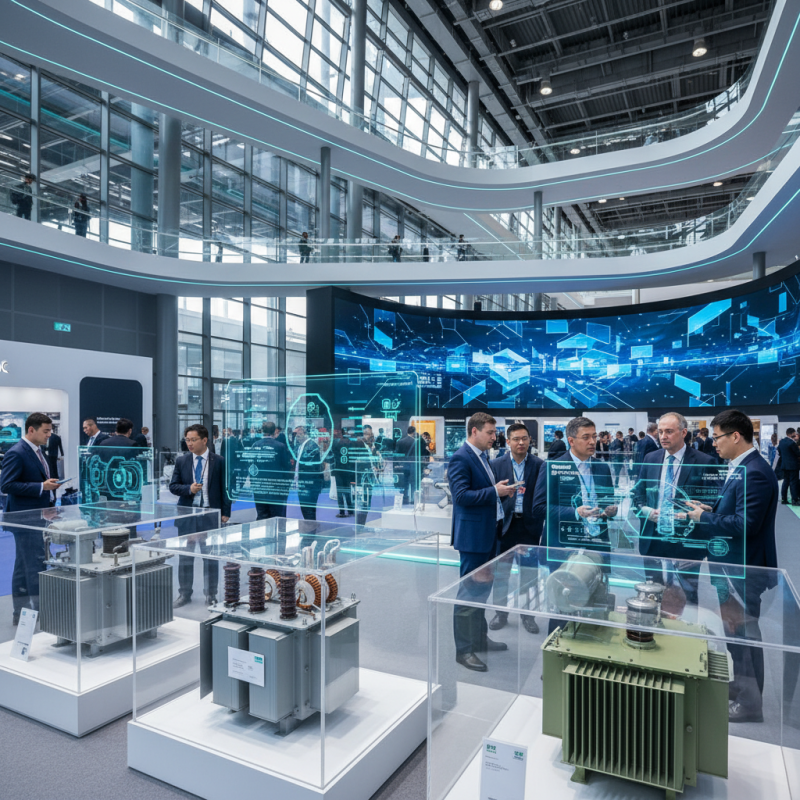
Top Considerations When Selecting Distribution Transformers for 2026
When selecting distribution transformers for the 2026 Canton Fair, several key considerations come into play. Understanding the load requirements is crucial. It's essential to analyze the peak load and the typical daily usage. This ensures that the transformer can handle the demands without overheating or failing. An incorrectly sized transformer can lead to inefficiencies and additional costs.
Another important aspect is the location of installation. Outdoor transformers require weatherproof features. Meanwhile, indoor units may need soundproofing. Additionally, consider the available space. A compact solution may be necessary for smaller facilities. It's also wise to examine installation regulations in your area. Ignoring these can result in compliance issues down the line.
Don’t overlook the efficiency rating. A higher rating means lower operational costs, which is a long-term benefit. However, higher efficiency can also mean a higher upfront cost. Balancing initial expenditure with future savings requires careful thought. It's easy to focus solely on price. Yet, assessing the total cost of ownership is more beneficial for long-term planning. Remember, these decisions impact not just finances, but also performance and reliability.
Top 5 Considerations When Selecting Distribution Transformers for 2026
Understanding the Latest Technologies in Distribution Transformers
The latest advancements in distribution transformers are transforming the energy sector. According to a recent report by MarketsandMarkets, the global distribution transformer market is projected to reach $25 billion by 2026. This growth is fueled by innovations in efficiency and sustainability.
Understanding the impact of these technologies is crucial for companies preparing for the 2026 Canton Fair. One notable trend is the integration of smart grids with distribution transformers. These systems enhance monitoring and control, promoting reliability. Another advancement is the use of eco-friendly materials, which are becoming more commonplace. These innovations not only reduce environmental impact but also lower operational costs.
For those attending the Canton Fair, consider these tips. Explore emerging technologies that boost energy efficiency. Engage with exhibitors focusing on sustainability practices. Keep an eye on transformer monitoring solutions. The future is bright, but there's always room for improvement. Businesses must remain adaptable and consider challenges in implementation. Innovations sometimes bring unexpected hurdles that require thoughtful solutions.
Best Practices for Efficient Distribution Transformer Maintenance
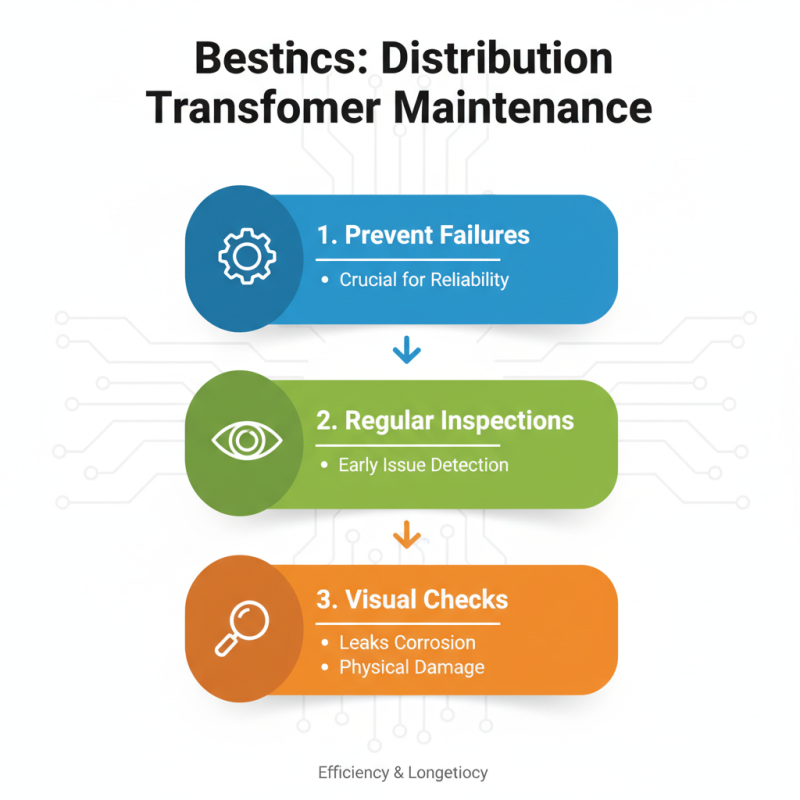
When it comes to distribution transformer maintenance, implementing best practices is crucial. Inefficient maintenance can lead to unexpected failures. Regular inspections help identify potential issues early. Visual checks can reveal leaks, corrosion, or physical damage.
Tip: Maintain a detailed log of maintenance activities. This helps track the equipment's history. A well-documented record can simplify troubleshooting and enhance accountability. Also, ensure that all personnel are trained. Knowledgeable staff can spot problems faster.
Tip: Monitor temperature and load regularly. Overheating transformers can suffer permanent damage. Keeping an eye on these metrics can prevent costly replacements. In colder climates, check for condensation issues. It’s a common oversight that can lead to severe failures.
Routine cleaning is also essential. Dust and debris can obstruct airflow and cooling systems. Be mindful of rodents, too. They can cause significant damage. Implementing a comprehensive cleaning program can help. Neglecting these areas might lead to serious operational impacts.
Market Trends Impacting Distribution Transformer Sales in 2026
As the 2026 Canton Fair approaches, it's essential to consider market trends that will shape distribution transformer sales. Emerging economies are ramping up infrastructure projects. This shift creates opportunities for suppliers. Growing urban populations drive the need for reliable energy solutions. Companies must adapt to this demand with innovative products.
Sustainability remains a hot topic. Customers increasingly prefer energy-efficient transformers. This trend signifies a need for manufacturers to focus on eco-friendly materials and technologies. However, many in the industry lag in this area. They may face difficulties aligning with consumer preferences and regulatory standards. Failing to innovate could mean losing their competitive edge.
Technological advancements also play a role. Smart grid technology integration is becoming essential. Transforming existing systems is not an easy task. Some companies struggle with high costs and compatibility issues. Understanding these challenges is crucial. A proactive approach can help stakeholders remain relevant in a rapidly evolving marketplace.