2026 Best Transformer Coil Technologies for Power Efficiency and Performance?
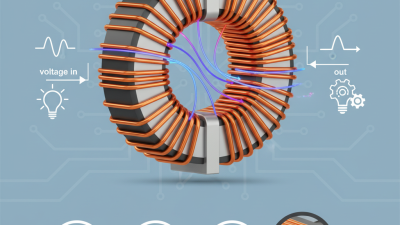
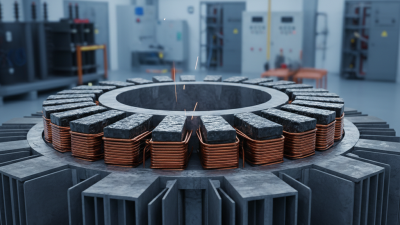
The quest for power efficiency and performance in electrical systems hinges on innovative technologies. Among these, Transformer Coils hold significant importance. These components play a crucial role in energy conversion and distribution. As technology evolves, new designs and materials enhance their efficiency. This evolution highlights the pressing need for updated knowledge on Transformer Coils.
In recent years, research has led to remarkable advancements. Manufacturers are experimenting with materials that improve the electrical properties of Transformer Coils. Such innovations can lead to energy savings. However, challenges remain in terms of scalability and cost-effectiveness. Not all designs are equally efficient or reliable. As experts in the field, recognizing these nuances is vital.
Evaluating the best practices around Transformer Coil technologies is essential. Emerging trends suggest a shift towards sustainable and adaptable solutions. However, the industry must still address some persistent issues. This article will explore the latest developments. We aim to provide insights into how these technologies can maximize performance while ensuring reliability. The journey ahead is filled with potential and pitfalls, making careful consideration necessary.

Current Trends in Transformer Coil Technologies for 2026
As we approach 2026, the landscape of transformer coil technologies continues to evolve, focusing on enhancing power efficiency and performance. The current trends reflect a growing emphasis on materials that reduce energy losses. Innovations in superconducting materials show promise, retaining efficiency even at high loads. It's critical for engineers to adapt to these new materials to optimize transformer design.
Tips: Regularly assess your coil designs. Utilizing simulation software can enhance understanding of performance under various conditions. Stay updated on research in materials science, as breakthroughs can drastically alter efficiency metrics.
Another trend is the integration of smart technology in transformers. Sensors and data analytics play a vital role in improving operational efficiency. By constantly monitoring performance metrics, potential inefficiencies can be addressed proactively. However, reliance on smart technology requires a careful evaluation of data security and system reliability.
Tips: Create a feedback loop with analytics. Use data to inform your future practices and reduce transformer downtime. Consider partnerships with technology experts to enhance implementation strategies, ensuring a smoother transition to smarter systems.
2026 Best Transformer Coil Technologies for Power Efficiency and Performance
| Technology Type |
Efficiency (%) |
Power Rating (kVA) |
Cooling Method |
Core Material |
| Copper Wound |
98.5 |
150 |
Air |
Silicon Steel |
| Aluminum Wound |
97.5 |
100 |
Oil |
Amorphous Steel |
| High-Frequency Transformers |
99.0 |
50 |
Air |
Ferrite |
| Dual Winding Transformers |
98.0 |
200 |
Water |
Silicon Steel |
| Resin Encapsulated |
96.0 |
75 |
Natural |
Silicon Steel |
Impact of Coil Design on Power Efficiency in Transformers
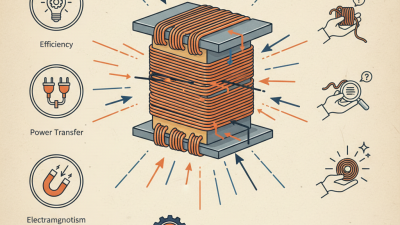
Coil design plays a crucial role in transformers' overall efficiency. The shape and materials used in the coil directly affect power loss. Designers often face the challenge of balancing performance with cost. Thinner wires can reduce energy loss, but they are more fragile. This trade-off requires careful consideration to achieve optimal results.
Core materials also impact how well a transformer operates. Higher quality materials can minimize electromagnetic interference. Selecting a suitable insulation method is equally important. Insulation must withstand high temperatures without degrading. Manufacturers often struggle to find the right combination that maximizes efficiency while keeping expenses manageable. In many cases, innovative design approaches can lead to significant gains.
Evaluating the cooling methods used is essential, too. Efficient cooling can extend a transformer’s lifespan. Experts recommend using advanced techniques, such as liquid cooling, for greater performance. However, these systems can be costly and complex. Each design decision carries weight, often leading to unexpected challenges. Continuous improvement in coil design is vital for achieving the best performance possible.
Performance Metrics for Advanced Transformer Coil Materials
The choice of transformer coil materials directly impacts efficiency and performance. Factors such as resistivity, permeability, and thermal conductivity play crucial roles. Recent industry reports indicate that advanced materials can improve efficiency by more than 10%. This gain is vital in power transmission where every lost percentage translates to significant energy waste.
Testing different coil technologies reveals variations in performance metrics. For example, certain copper alloys enhance electrical conductivity, but they may introduce thermal issues. Reports highlight that maintaining lower operating temperatures can extend lifespan and enhance stability. Additionally, research shows that nano-crystalline cores can outperform traditional silicon steel in high-frequency applications.
However, not all innovations lead to clear benefits. Some new materials come with higher costs and more complicated manufacturing processes. Balancing these factors is essential for achieving optimal performance. Engineers must question whether the performance gains justify the investment in these advanced materials. Continual testing and reevaluation of these technologies are necessary to ensure reliability and efficiency in real-world applications.
Emerging Innovations in High-Frequency Transformer Coils
High-frequency transformer coils are revolutionizing energy efficiency and performance in power systems. These coils offer improved operational characteristics and reduced energy loss. Emerging innovations focus on the integration of advanced materials and designs, which enhance magnetic properties and minimize heat dissipation.
One notable trend is the use of amorphous steel in transformer core construction. This material provides superior performance by reducing eddy current losses. Furthermore, the miniaturization of coils is allowing for more compact designs, essential for modern applications.
Tips: When selecting transformer coils, consider the frequency of operation. High-frequency applications benefit from optimized winding designs. Always evaluate thermal management to enhance performance. Regularly review new technologies for potential upgrade opportunities.
Comparative Analysis of Coil Technologies: Efficiency vs. Cost
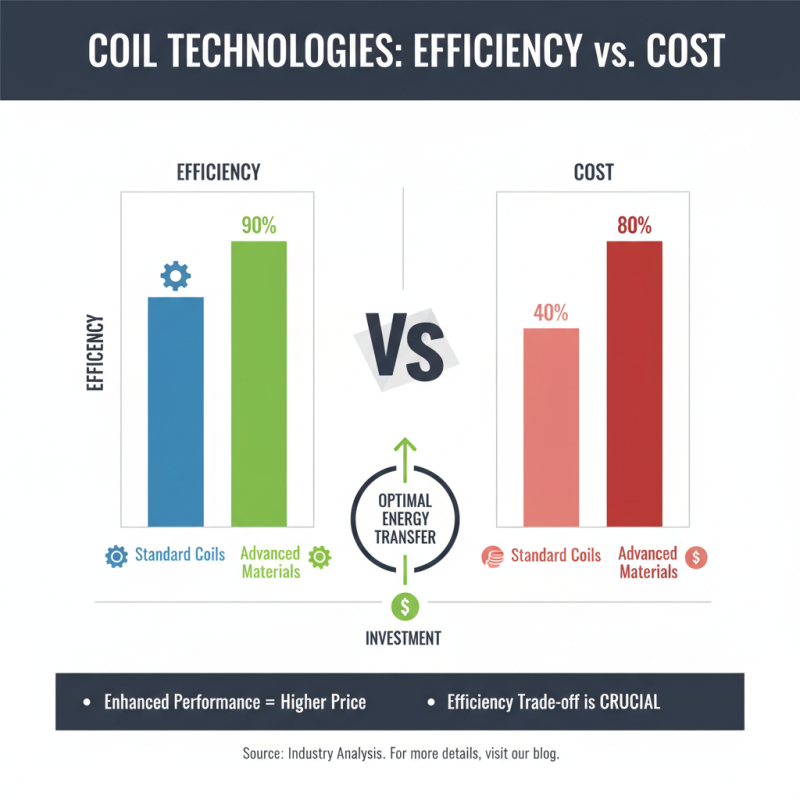
The comparative analysis of coil technologies reveals striking differences in efficiency and cost. Efficient transformer coils are essential for optimal energy transfer. Some materials provide better performance but often come with a higher price tag. Understanding these trade-offs is crucial for industries seeking to enhance power efficiency.
In many cases, cost-effective coils can deliver satisfactory performance. However, they may not always meet the high standards needed for specific applications. For example, using lower-quality materials can lead to overheating and efficiency losses. This raises questions about whether the initial savings are worth the potential long-term costs. Industry professionals must balance these factors carefully.
The world of transformer coils is evolving. New technologies emerge regularly, promising improved performance. However, their adoption often requires significant upfront investment. Experts emphasize the need for a thorough assessment of each option. Evaluating the long-term benefits against initial costs can help make informed decisions. Users must remain vigilant and open to reassessing their choices as technologies advance.