Why is Transformer Coil Essential for Your Power Projects?
The importance of a Transformer Coil in power projects cannot be overstated. This component plays a crucial role in energy transformation, enabling efficient power distribution. Many engineers recognize its significance, but some overlook its impact. Understanding the function of a Transformer Coil can enhance project success.
Transformer Coils convert voltage levels in electrical systems. High voltages are reduced for safe use in homes and industries. This process is vital for maintaining safety and reliability. A poorly designed Transformer Coil can lead to inefficiencies. These inefficiencies can result in energy loss and potential equipment damage.
Moreover, selecting the right Transformer Coil requires expertise. Not all coils are suited for every project. Consideration of factors like load requirements and environmental conditions is essential. Failure to do so may hinder the entire project. Awareness of these details helps in making informed decisions. In this ever-evolving field, recognizing the value of a Transformer Coil can lead to better engineered solutions.
Understanding the Basics of Transformer Coils in Power Projects
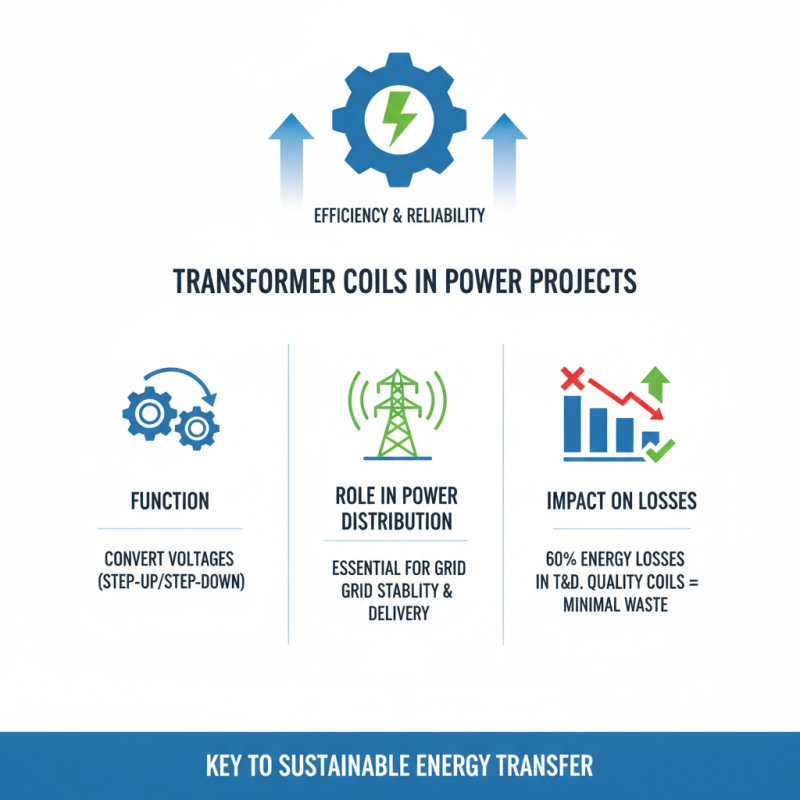
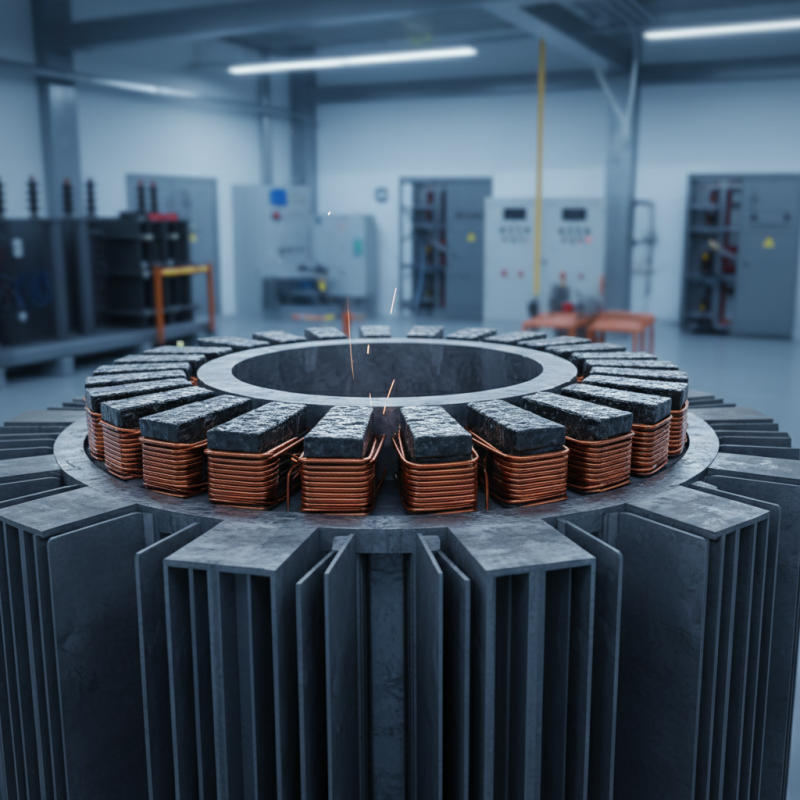
Transformer coils play a crucial role in various power projects, impacting efficiency and reliability. These components convert voltages from one level to another, making them essential in power distribution systems. According to industry reports, over 60% of electrical energy losses occur in transmission and distribution. Using quality transformer coils can address this issue, ensuring minimal energy waste.
Transformer coils are composed of copper or aluminum windings, which directly influence performance. Different configurations impact efficiency levels. A comprehensive study noted that upgrading transformer coils can improve efficiency by more than 8%. However, not all installations prioritize the right materials and designs, leading to underperformance and safety risks.
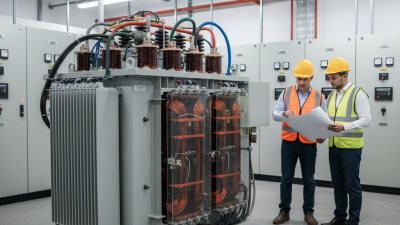
Often, project managers overlook the significance of proper insulation and cooling for transformer coils. Poor insulation may lead to overheating, affecting overall system reliability. Industry experts stress the importance of temperature management to extend lifespan. In practice, many installations report issues due to inadequate cooling measures, resulting in costly downtime. The need for careful planning and rigorous testing cannot be overstated.
The Role of Transformer Coils in Electrical Efficiency
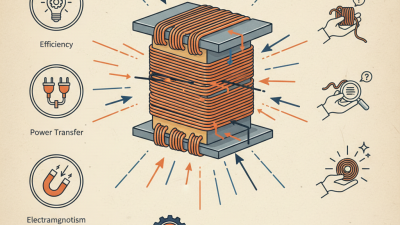
Transformer coils play a crucial role in enhancing electrical efficiency. They facilitate the conversion of electrical energy, making systems more reliable. An efficient transformer coil minimizes energy losses during operation. This helps in reducing operational costs and ensuring longevity in power projects.
When choosing transformer coils, consider the wire gauge. A larger gauge wire reduces resistance, leading to better efficiency. However, this could increase costs and weight. Therefore, balance is essential.
Tips for maintenance include regular inspections. Look for signs of wear or overheating. Keeping the coils clean can also prevent efficiency loss. Over time, dust and debris may accumulate, impacting performance. Proper maintenance extends the lifespan of transformer coils significantly.
Key Benefits of Using Transformer Coils in Power Systems
Transformer coils are vital components in power systems. They ensure efficient voltage regulation, which is crucial for the stability of electricity supply. According to the IEEE, transformer coils account for over 90% of energy loss in electrical systems. Therefore, selecting the right coil can significantly enhance efficiency.
A well-designed transformer coil minimizes energy wastage. This leads not only to lower operational costs but also to reduced environmental impact. Research from the International Energy Agency indicates that improving transformer efficiency by just 1% can save thousands of megawatt-hours annually. This is particularly important as global energy demands continue to rise.
Moreover, transformer coils can adapt to various power project needs. They come in different sizes and configurations, making them versatile for numerous applications. However, not all coils perform equally in different conditions. Project managers must analyze specific requirements carefully. Incorrect specifications can lead to inefficiencies and increased costs. Thus, understanding the unique demands of each project is essential for achieving optimal results.
Key Benefits of Using Transformer Coils in Power Systems
Critical Applications of Transformer Coils in Various Industries
Transformer coils play a crucial role in many industries, driving efficiency and reliability in electrical systems. These components are key in power distribution, ensuring voltage regulation and energy conversion. In manufacturing, transformer coils support machinery by providing stable power. Without them, production lines could face serious downtime.
In renewable energy, transformer coils help integrate solar and wind power into the grid. They allow for effective voltage transformation, facilitating energy transfer. This function is essential for maintaining a stable energy supply. The demand for cleaner energy solutions continues to grow. Transformer coils need to adapt to these changes.
Tips: Always consider the quality of transformer coils in your projects. Poor-quality coils can lead to inefficiencies and increased costs. Regular testing and maintenance can prevent future issues and ensure optimal performance. A well-designed transformer coil can extend the lifespan of your equipment, saving you time and money.
Remember, attention to detail is vital. Evaluate the specific requirements of your application. Each industry may necessitate different coil specifications. Adjust your approach based on these factors to enhance reliability.
Factors to Consider When Selecting Transformer Coils for Projects
Selecting the right transformer coil can make or break your power projects.
Key factors should guide your decision-making.
First, consider the coil's rated power capacity. Ensure it aligns with your project requirements.
A mismatched capacity can lead to inefficiencies and safety hazards.
Material quality is also crucial. High-quality materials increase durability and reduce those
annoying maintenance stops. Look for coils made from materials with good thermal conductivity.
This can improve efficiency and performance.
Tips: Always evaluate the operating environment.
Coils must withstand varying temperatures and conditions. Choose coils that are rated for your specific environment.
Feedback from past projects is invaluable. Analyze previous coil failures as a learning experience.
Not all products perform equally under pressure.
Don't ignore the importance of installation and insulation.
Proper installation prevents operational issues later.
The insulation type can significantly affect the coil's reliability. Research and consult experts if needed.
Remember, selecting transformer coils is a balance of many factors, not just price.