2026 How to Use Wire Terminal Block Effectively for Your Projects?
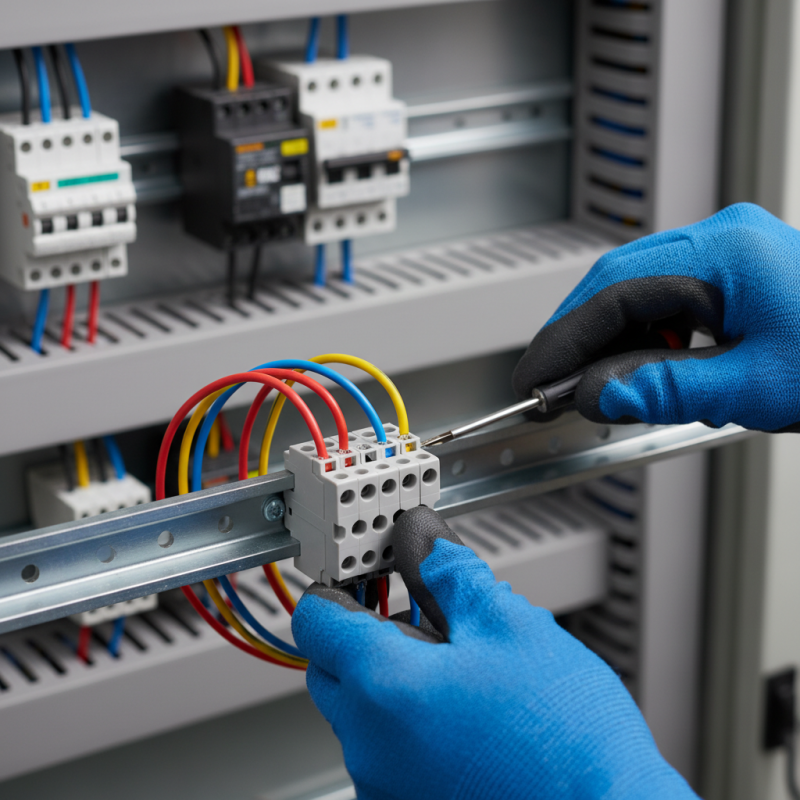
The effective use of a Wire Terminal Block in your projects can enhance electrical connections significantly. A Wire Terminal Block serves as a critical interface for linking wires securely and efficiently. Mastering its use can lead to safer and more reliable electrical installations.
Understanding the basics is essential. Choose the right type of Wire Terminal Block for your specific needs. Consider factors such as wire size, current rating, and environmental conditions. A mismatch can lead to failures, endangering your project.
Take the time to learn about proper installation techniques. Improper connections can cause issues down the line. Regular checks are advisable to ensure reliability. Embrace the learning curve; it’s part of mastering this crucial component. Aim for precision, but don't shy away from learning from mistakes along the way.
Understanding Wire Terminal Blocks: An Overview of Types and Functions
Wire terminal blocks are essential components in electrical projects, providing reliable connections between wires. Understanding the various types and functions of terminal blocks is crucial for optimal use. Common types include barrier, din rail, and plug-in terminal blocks. Each serves specific applications, making familiarity important. For instance, barrier blocks are ideal for high-voltage connections, while din rail blocks facilitate efficient space management in control panels.
Data from industry reports indicates that the global terminal block market will grow by 4.5% annually, reaching $5 billion by 2026. This growth reflects increasing automation and electrification trends across multiple sectors. Proper selection of terminal blocks can enhance system reliability and prevent failures. However, improper installation can lead to loose connections, causing potential hazards.
Moreover, it’s critical to evaluate the ratings of terminal blocks. Operating voltages, current ratings, and environmental conditions all impact performance. A mismatch in specifications could lead to overheating. Being aware of these factors helps in making informed choices. Mistakes in selecting the right block can lead to costly downtime and safety risks. Understanding the intricacies of wire terminal blocks ultimately allows for more effective project implementation and reduces the likelihood of errors.
2026 How to Use Wire Terminal Block Effectively for Your Projects?
| Type of Terminal Block |
Function |
Common Applications |
Wire Gauge Compatibility |
| Screw Terminal Block |
Provides a secure connection through screws |
Industrial machinery, panel building |
10 to 22 AWG |
| Push-in Terminal Block |
Allows easy insertion of wires without tools |
Home appliances, electronics |
12 to 20 AWG |
| Spring Clamp Terminal Block |
Uses spring tension to hold wires securely |
Automotive applications, power distribution |
10 to 22 AWG |
| IDC Terminal Block |
Insulation Displacement Connection for quick connections |
Telecommunication, signal processing |
22 to 28 AWG |
| Barrier Terminal Block |
Offers electrical isolation between terminals |
Signal transmission, circuit protection |
16 to 30 AWG |
Selecting the Right Wire Terminal Block for Your Project Needs
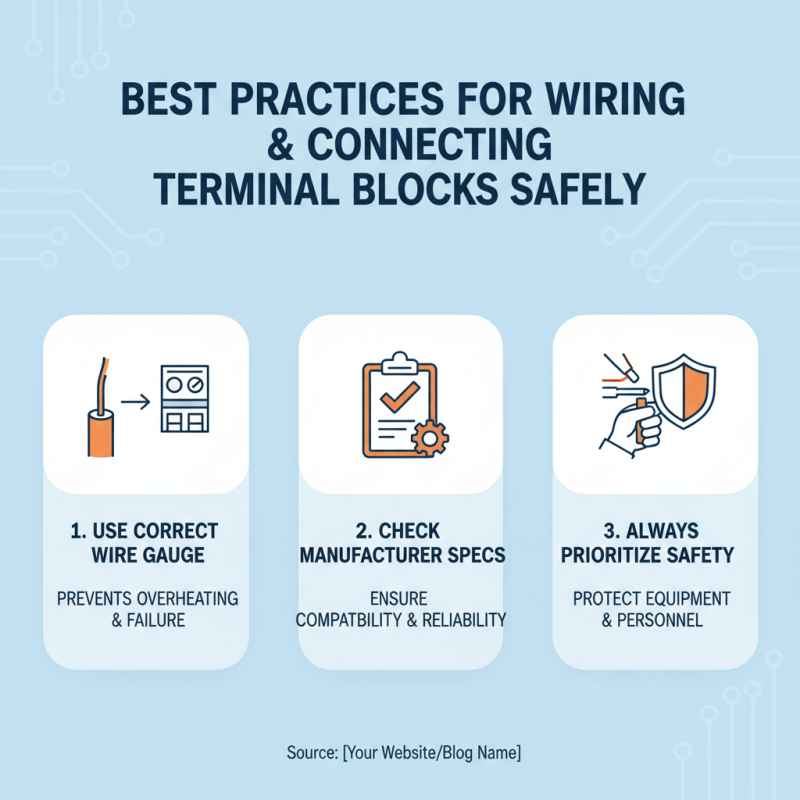
Selecting the right wire terminal block for your project can feel overwhelming. Understanding your project's specific needs is essential. Consider factors like wire size, voltage, and current ratings. Each project has unique requirements that must align with the specifications of the terminal block. Look for blocks that can accommodate your wire gauge and are rated for your application.
Do not ignore the environment where the terminal block will be used. Will it face moisture, dust, or extreme temperatures? Choosing the wrong material can lead to failures. Insulating properties also matter. Plastic blocks may work well in dry settings but not in humid situations.
Experimentation is a part of the process. Sometimes, recommendations don’t suit your individual project. Be ready to adjust based on performance. If you notice issues after installation, don’t hesitate to re-evaluate your choices. Learning from what doesn't work can be just as valuable.
Common Mistakes to Avoid When Using Wire Terminal Blocks
When using wire terminal blocks, avoiding common mistakes can significantly impact project efficiency. A recent industry report indicates that up to 40% of electrical failures are linked to poor wiring practices. Many users overlook proper torque specifications when tightening screws. Insufficient torque can lead to loose connections, while excessive torque may damage the component.
Another mistake is neglecting to use the right type of terminal block for specific applications. Insulation requirements vary, and using the wrong type can result in safety hazards. The insulating properties are crucial for preventing short circuits. Additionally, mixing different wire sizes can lead to overheating. Reports show that improper wire sizing accounts for approximately 30% of field incidents.
Finally, users often fail to account for environmental factors. For instance, exposure to moisture or corrosive elements can degrade terminal blocks. Choosing terminal blocks that meet environmental standards is essential. Many projects suffer delays due to unexpected circuit failures caused by these misunderstandings. Recognizing and addressing these aspects is vital for the longevity and reliability of electrical systems.
Maintenance Tips for Ensuring Long-lasting Performance of Terminal Blocks
Wire terminal blocks are crucial for electrical projects. To ensure long-lasting performance, proper maintenance is key. Regularly inspect connections for signs of wear, corrosion, or loose screws. These small details can lead to larger problems if neglected. A simple visual check can often reveal potential issues before they escalate.
Cleaning terminal blocks helps maintain their efficiency. Dust and grime can accumulate over time, affecting connectivity. Use a soft brush or cloth to remove debris. This prevents short-circuiting and prolongs the life of your components. Additionally, avoid over-torquing screws; it might seem like a small mistake, but it can damage the block.
Keeping your workspace organized contributes significantly to maintenance. Label wires and components to avoid confusion. This practice aids in troubleshooting. Remember to document any changes made. Reflecting on past mistakes can provide valuable lessons in maintaining terminal blocks effectively. Small, consistent efforts can lead to a more reliable electrical project overall.