Why Choose a Converter Transformer for Your Energy Needs?
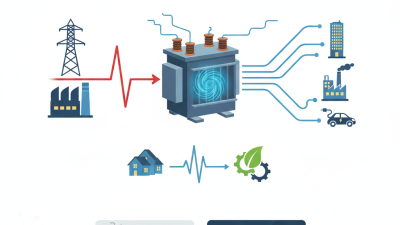
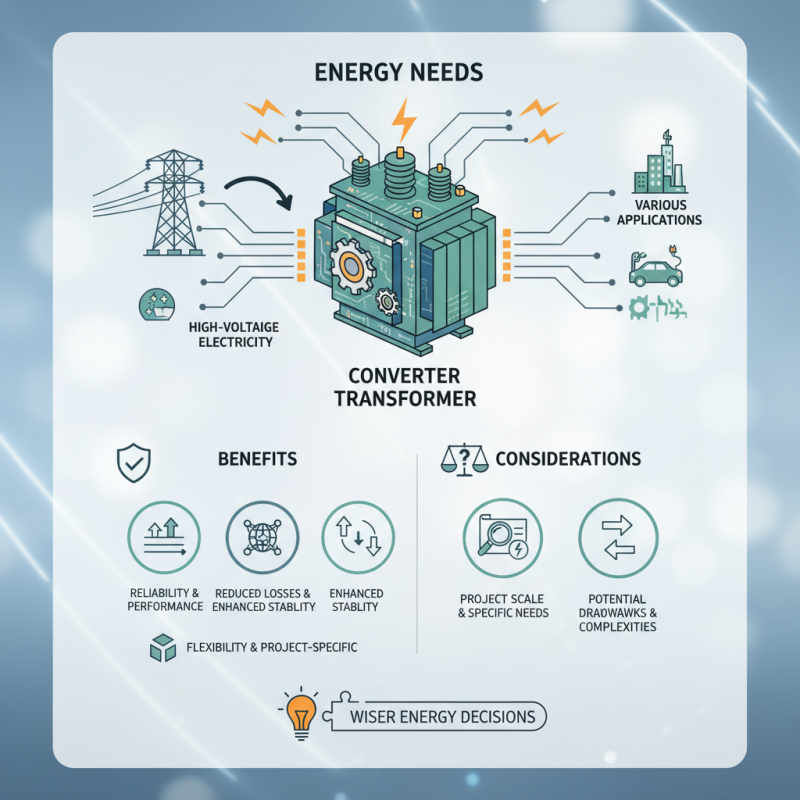
In today's evolving energy landscape, a crucial decision arises: which transformer type best fits our energy demands? One standout option is the Converter Transformer. This sophisticated device plays a pivotal role in converting high-voltage electricity for various applications. Its efficiency can significantly impact energy management.
Choosing a Converter Transformer means investing in reliability and performance. These transformers ensure energy is transmitted smoothly across vast distances. They reduce losses and enhance the stability of power systems. Their design accommodates project-specific requirements, offering flexibility.
However, not every situation justifies their use. We should assess the project’s scale and specific needs before making this choice. While the benefits are clear, potential drawbacks exist. Understanding these will lead to wiser energy decisions. The right transformer can redefine efficiency, but understanding its complexities remains essential.
Benefits of Using Converter Transformers in Energy Systems
Converter transformers are crucial in modern energy systems. They facilitate efficient energy transfer between AC and DC systems. Their role is vital as renewable energy sources grow. According to a report from the International Energy Agency (IEA), the global demand for electricity will rise by 40% by 2040. This increase demands reliable and efficient solutions.
The primary benefit of converter transformers lies in their ability to enhance grid stability. They allow for the integration of intermittent energy sources like solar and wind. A recent study found that using such transformers can improve system reliability by up to 30%. This is essential as countries shift towards cleaner energy solutions. However, these systems are not without challenges. They can be costly to install and maintain. Aging infrastructure may require significant upgrades.
Moreover, converter transformers help optimize space. Traditional transformers are bulky. In contrast, modern designs are compact. This is advantageous in urban settings where land is limited. Interestingly, some reports suggest that while adopting these technologies improves efficiency, they require skilled personnel for operation. Training becomes an ongoing necessity, which can strain resources. These factors must be considered in the broader context of energy transition.
Key Applications of Converter Transformers in Various Industries
Converter transformers play a crucial role in various industries. They excel in converting electrical energy from one voltage level to another. In the renewable energy sector, these transformers connect wind and solar farms to the grid. Their ability to manage fluctuating power loads is vital.
In railways, converter transformers ensure efficient energy transfer for electric trains. They adapt high voltage to match the train's requirements. The need for reliable energy sources makes these transformers indispensable in urban transport infrastructure.
In the industrial arena, converter transformers facilitate seamless operation of factories. They provide stable voltage for heavy machinery. However, fluctuations in demand can challenge their effectiveness. Addressing these issues is essential to enhance their reliability. Understanding the nuances of converter transformers can lead to better energy solutions across sectors.
Technical Specifications to Consider When Choosing a Converter Transformer
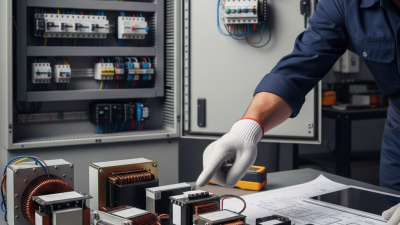
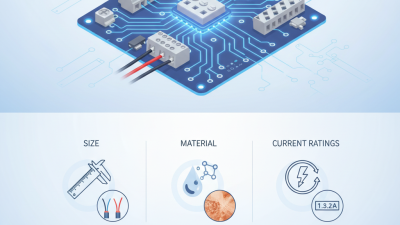
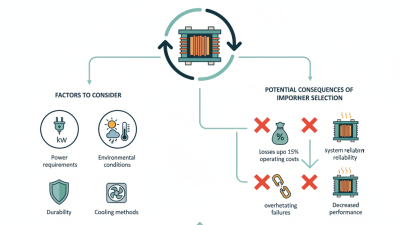
When selecting a converter transformer, several technical specifications are crucial. First, consider the power rating. It’s essential to match the transformer’s capacity with your electrical needs. A transformer that is too small may lead to overheating and failures. Conversely, an oversized unit could be an unnecessary expense.
Next, look at the voltage ratio. Ensure the transformer can handle your input and output voltage requirements. An inappropriate ratio can cause inefficiencies. Check for insulation class as well. It affects the transformer's durability and temperature tolerance. High insulation classes are ideal for challenging environments.
Additionally, assess the cooling method. Air-cooled transformers may suffice for lower capacities, while larger units often require oil or water cooling. This choice impacts maintenance needs and operational efficiency. Also, consider the overall footprint. Space constraints can limit options. Remember, a poorly chosen transformer can lead to significant operational issues. Stay informed and assess your energy needs carefully.
Comparative Analysis: Converter Transformers vs Traditional Transformers
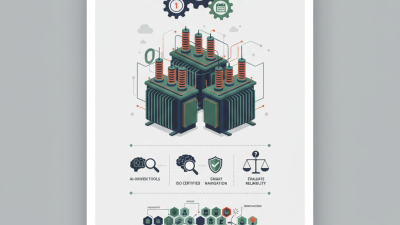
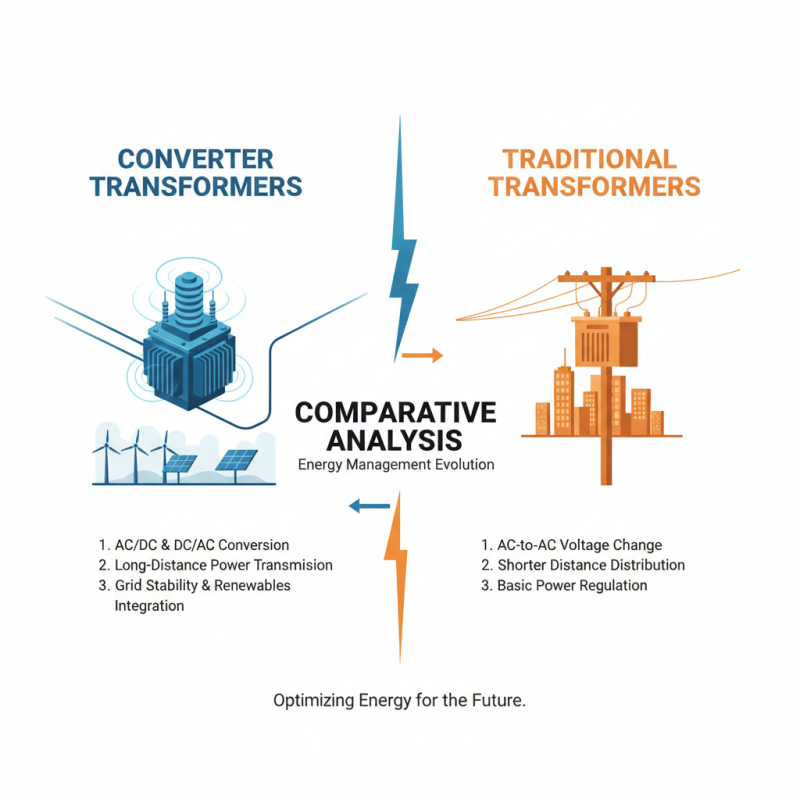
Converter transformers have become essential in managing energy needs efficiently. Unlike traditional transformers, they convert electrical energy to different voltage levels and facilitate power transmission over long distances. This capability allows for improved grid stability and flexibility. In areas with renewable energy integration, converter transformers play a crucial role in optimizing energy use.
When comparing converter transformers to traditional options, consider their efficiency during energy conversion. Converter transformers typically exhibit higher efficiency ratings, reducing energy losses. They also handle variable frequencies better, which is vital for modern renewable energy sources. However, they require more sophisticated technology, making them costlier upfront. Maintenance can also be more complex.
**Tips:** Always assess your specific needs before making a choice. Consider total lifecycle costs, including maintenance. Research local practices for installation and operation. Understanding these factors can help guide your decision.
Future Trends in Converter Transformer Technology and Its Impact on Energy
The landscape of energy needs is evolving, and converter transformers play a vital role in this transformation. By 2025, the converter transformer market is expected to reach a value of over $5 billion, driven by increased renewable energy adoption. The shift towards sustainable energy sources demands equipment that can efficiently handle fluctuating power loads. This is where converter transformers shine. They ensure that energy transfer is stable and effective, adapting to the varying requirements of today's power grids.
Emerging technologies, such as high-voltage direct current (HVDC), are gaining traction. Reports indicate that HVDC lines can transmit power over long distances with minimal losses. This is crucial as renewable energy plants are often far from consumption centers. By utilizing converter transformers, these facilities can integrate smoothly into the grid. However, challenges remain in maintaining the reliability of these systems. Regular monitoring and maintenance schedules are essential to address potential failures and optimize operations.
The impact of industry advancements is also profound. Improved efficiency in converter transformer design reduces energy waste. However, the complexity of new technologies can lead to increased operational demands. Industry experts advise ongoing staff training and robust system testing to mitigate risks. A proactive approach will be crucial as we navigate this evolving energy landscape.
Future Trends in Converter Transformer Technology and Its Impact on Energy