China Top 10 Current Transformers You Should Know About?
Current transformers (CTs) play a vital role in electrical power systems. These devices measure current flowing through electrical circuits. They provide essential data for monitoring, control, and protection. According to a recent report by Markets and Markets, the global current transformer market is projected to reach USD 4.3 billion by 2025. This growth highlights the importance of understanding the top models available today.
In China, several manufacturers lead the market with innovative designs. Their products meet international standards and cater to diverse applications. For instance, Schneider Electric and Siemens offer advanced CTs that ensure accuracy. These brands are recognized for their reliability and precision. However, some users report issues with compatibility in older systems. Such feedback underscores the need for careful selection.
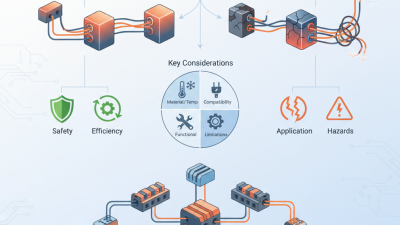
Choosing the right current transformer requires expertise and awareness of functionality. Users must consider voltage ratings, current capacities, and installation requirements. Research and comparison of different models can aid in this decision-making process. Despite advancements, finding the perfect fit remains a challenge for many professionals. Balancing performance and cost-effectiveness is crucial in this competitive field.
Overview of Current Transformers in China
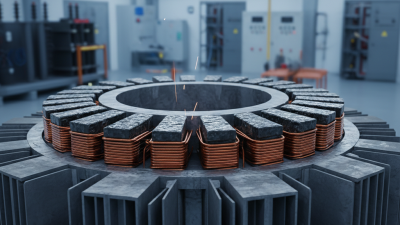
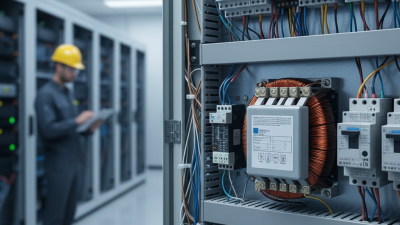
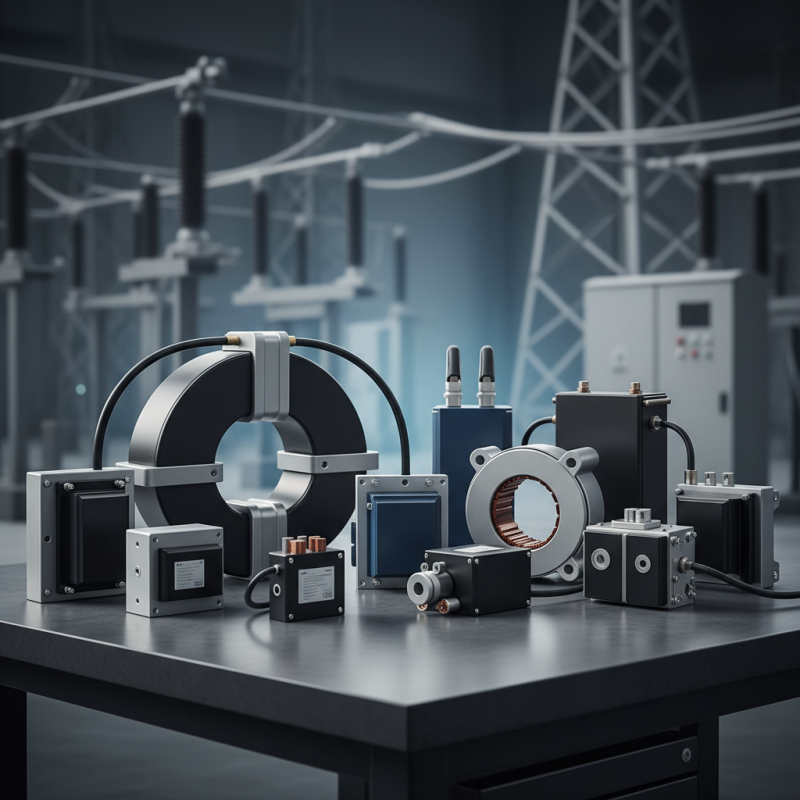
Current transformers (CTs) play a vital role in the power systems of China. They are essential for measuring current in high-voltage circuits while ensuring safety for operators and equipment. CTs come in various designs and applications, suitable for different sectors, including renewable energy, manufacturing, and heavy industry.
It's important to understand the specifications when selecting a CT. Some transformers can handle higher peaks, while others focus on accuracy at lower currents. Users should be aware of the trade-offs between precision and range. For instance, a CT optimized for high accuracy may be less effective in extreme conditions.
**Tip:** Always verify the specifications of a current transformer to ensure it meets your specific needs.
Maintenance is another crucial aspect. Even the best current transformer can fail if not properly maintained. Regular inspection of wire connections and insulation is needed. Corrosion and wear can lead to inaccurate readings, posing risks to safety and efficiency.
**Tip:** Schedule routine check-ups for your current transformers to ensure reliable performance and safety.
In a rapidly evolving energy market, staying informed is key. Emerging technologies are enhancing CT capabilities, leading to smarter energy management. However, with progress comes the need for continuous learning and adaptation. Ensuring your knowledge is updated can lead to better decisions in system design and function.
Overview of Current Transformers in China
Key Applications of Current Transformers in the Industry
Current transformers (CTs) are crucial in various industrial applications. They convert high current levels into lower, manageable levels for monitoring and control. One significant application is in power generation. Here, CTs ensure the safety of power systems by providing accurate current readings. They help prevent overloads and maintain system stability.
In manufacturing, CTs enhance automation and control systems. They are essential in protecting equipment from electrical faults. Accurate measurements from CTs lead to efficient energy management. Moreover, they facilitate predictive maintenance schedules. This can significantly reduce operation costs and downtime.
Tip: Regularly calibrate your current transformers for optimal performance. Accurate readings
prevent unnecessary equipment failures.
Another application is in renewable energy systems. CTs play a vital role in solar and wind energy monitoring. They help track the efficiency of these systems. Poor efficiency may go unnoticed without CTs, leading to wasted resources.
Tip: Consider using CTs with built-in diagnostics. This feature can alert you to potential issues before they escalate.
Employing CTs properly is essential for
safety and efficiency in industries. Miscalculations or neglect can lead to
severe consequences. Hence, evaluating the selection and placement of current transformers is critical.
Top Manufacturers of Current Transformers in China
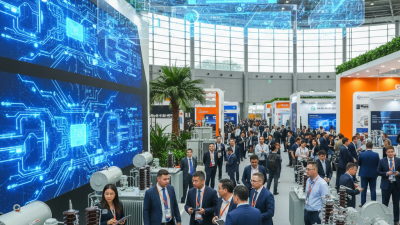
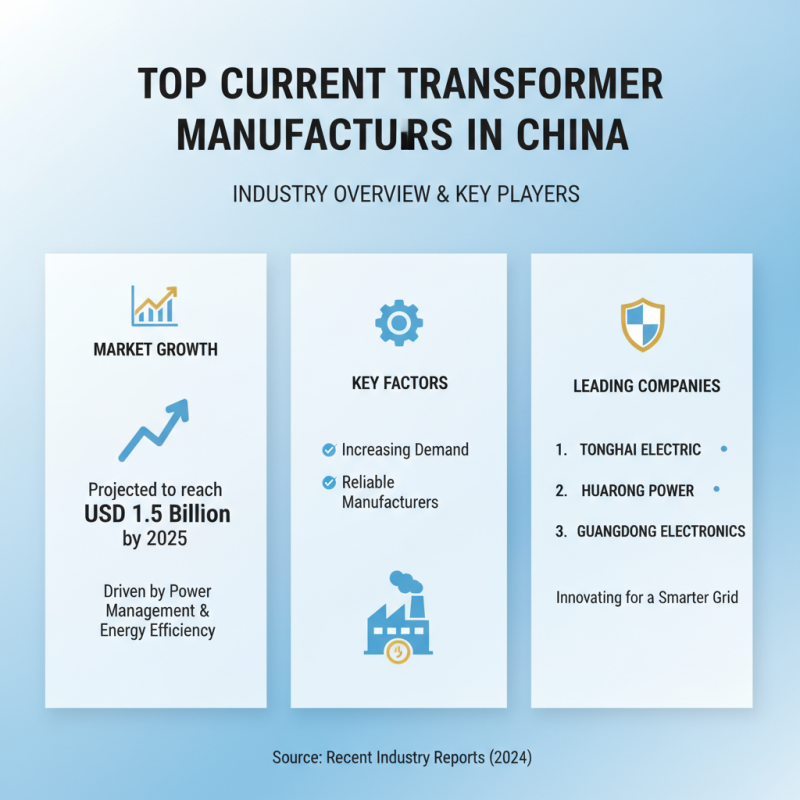
When exploring the landscape of current transformers in China, understanding the top manufacturers is essential. The current transformer market has seen significant growth, driven by increasing demand for power management and energy efficiency. According to recent industry reports, the Chinese market for current transformers is projected to reach USD 1.5 billion by 2025, highlighting the importance of reliable manufacturers in this sector.
Leading manufacturers focus on advanced technology and quality standards. This often translates to improved performance and longevity of current transformers. Professional sources note that many manufacturers adhere to international certifications, ensuring their products meet rigorous safety and quality guidelines. However, there remains a challenge with inconsistency in some smaller manufacturers, as quality control can vary significantly.
**Tip:** When selecting a manufacturer, assess their track record and customer reviews. Knowledgeable buyers consider both technology and reputation. A thorough evaluation can prevent costly mistakes.
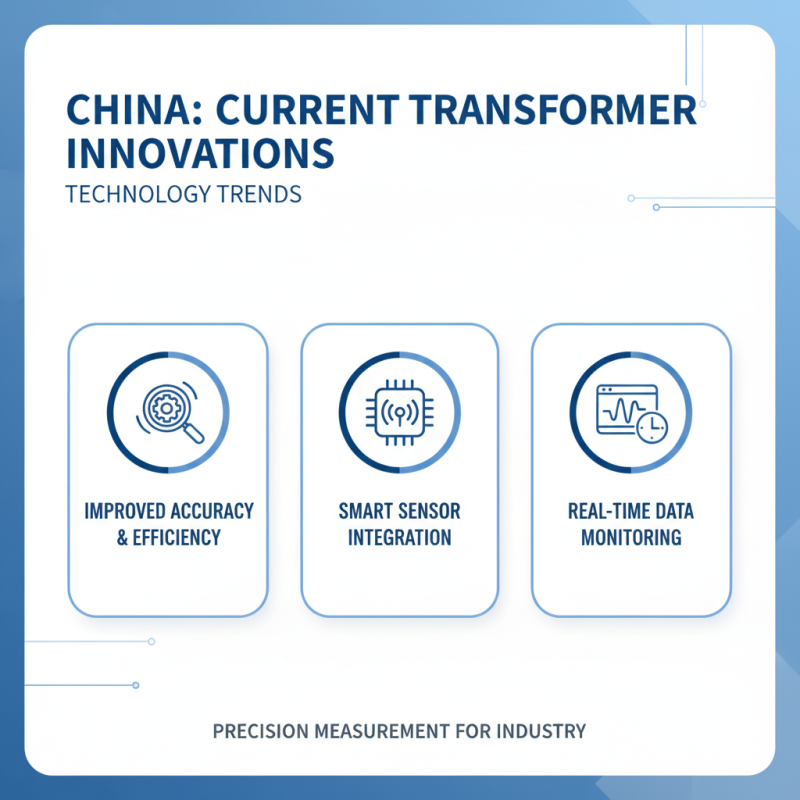
Additionally, the rise of smart grid technologies is influencing production trends. Manufacturers are investing in innovation to create smarter, more efficient transformers. Yet, some companies struggle to keep up. A detailed market analysis can help buyers navigate these complexities effectively.
**Tip:** Regularly review industry reports for the latest trends. Staying informed allows for better decision-making in a rapidly evolving market.
Future Outlook for Current Transformers in China
In recent years, the demand for current transformers in China has surged dramatically. This growth stems from the increasing need for precise electrical measurement and monitoring. Industries are adopting advanced technologies that rely heavily on accurate data. Future developments will likely focus on enhancing efficiency and reducing operational costs. Manufacturers are exploring innovative designs to meet these challenges.
However, there are obstacles to consider. Many companies may face difficulties adapting to rapid technological changes. Integrating new features into existing systems can be complex. Furthermore, the reliance on global supply chains presents risks. Delays or disruptions can significantly impact production. It’s essential for manufacturers to establish reliable partnerships to mitigate such issues.
The push towards renewable energy also shapes the future of current transformers. With new energy sources emerging, the need for adaptable transformers is critical. Engineers will need to innovate continuously to meet evolving standards. While opportunities for growth abound, a reflective approach in strategy will be vital for sustained success. Balancing innovation with practicality will define the future landscape of current transformers in China.