Why Insulation Parts Are Essential for Energy Efficiency in Homes?
Insulation parts play a critical role in enhancing energy efficiency in homes. According to the U.S. Department of Energy, proper insulation can reduce heating and cooling costs by up to 20%. Homeowners often overlook the importance of these components. This oversight can lead to wasted energy and increased utility bills.
Installing high-quality insulation parts is not merely beneficial; it’s essential. Research shows that up to 90% of energy loss can occur through improperly insulated areas. Materials like fiberglass, foam, and cellulose provide varying degrees of insulation effectiveness. Each type has its strengths and weaknesses, making informed choices crucial for homeowners.
Many neglect regular assessments of their insulation systems. Over time, insulation may degrade, leading to drafts and energy inefficiency. Reflecting on these facts highlights the need for ongoing maintenance and evaluation of insulation parts. Ultimately, investing in effective insulation improves comfort and drastically lowers energy costs.
The Role of Insulation in Reducing Energy Consumption in Homes
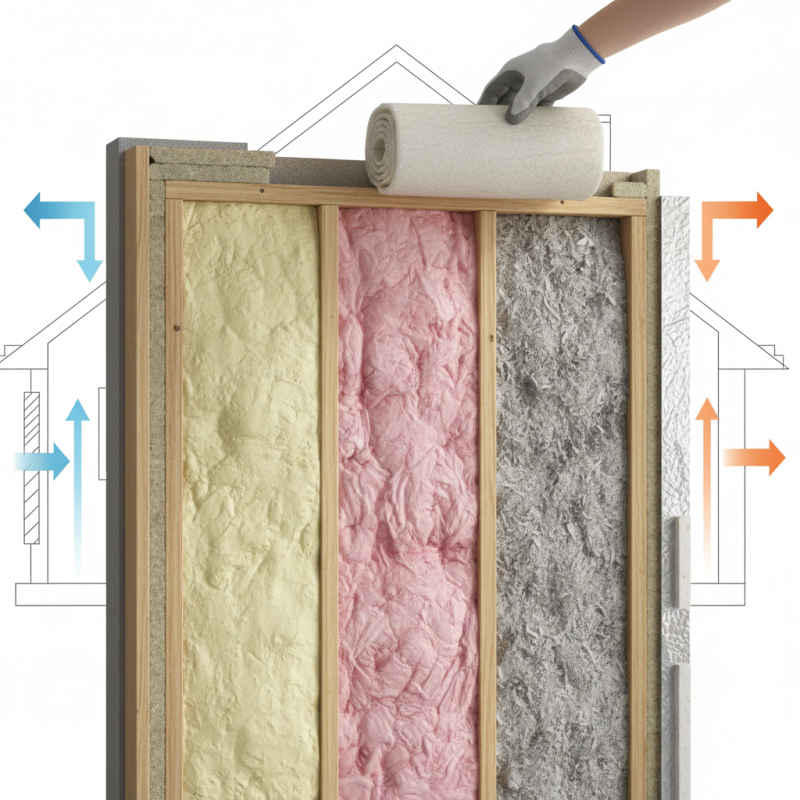
Insulation plays a vital role in reducing energy consumption in homes. By acting as a barrier, insulation keeps heat inside during winter and outside during summer. This balance helps maintain a consistent indoor temperature, minimizing reliance on heating and cooling systems. Homes with proper insulation can save a significant amount on energy bills.
To maximize the benefits of insulation, consider these tips. Start by checking your attic and walls for adequate insulation levels. Many older homes lack sufficient coverage. Adding more insulation can enhance comfort. Also, pay attention to doors and windows. Sealing drafts can lead to further energy savings. A simple weatherstrip around these areas can make a noticeable difference.
It's easy to overlook insulation in home improvements. People often focus on aesthetics or newer appliances. However, effective insulation not only reduces energy use but also creates a more comfortable living space. Every homeowner should evaluate their insulation strategy. This is an essential step towards greater energy efficiency and sustainability.
Why Insulation Parts Are Essential for Energy Efficiency in Homes?
| Insulation Type |
R-Value |
Application Area |
Energy Savings (%) |
Cost per Sq Ft ($) |
| Fiberglass Batts |
3.1 - 4.3 |
Walls, Attics |
10 - 20 |
0.50 |
| Spray Foam |
5.0 - 6.5 |
Roof, Walls |
20 - 30 |
1.50 |
| Foam Board |
4.0 - 5.0 |
Basement, Foundation |
15 - 25 |
1.00 |
| Cellulose |
3.1 - 4.0 |
Attics, Walls |
10 - 15 |
0.80 |
| Mineral Wool |
3.1 - 4.2 |
Walls, Roof |
15 - 20 |
1.00 |
Types of Insulation Materials and Their Energy Efficiency Ratings
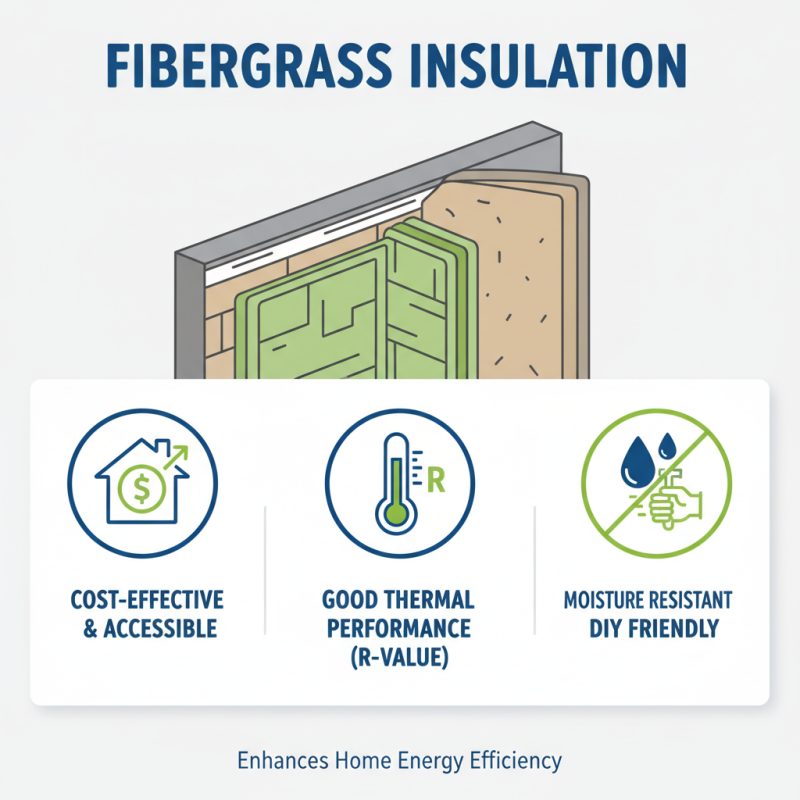
Insulation materials play a significant role in enhancing energy efficiency within homes. Different types of insulation exhibit varying levels of effectiveness. Fiberglass insulation, for example, is popular due to its cost-effectiveness and decent R-value. It resists moisture and provides reliable thermal performance for many households. Its installation can be a DIY task, but proper techniques are vital for achieving the best results.
Foam board insulation offers a different approach. It provides higher insulation values in thinner layers. This is beneficial in places with limited space. However, it requires careful cutting and fitting to avoid gaps. Cellulose insulation, made from recycled paper, also stands out. It’s eco-friendly and has a higher R-value compared to fiberglass. Nonetheless, professionals often recommend a blower for installation to ensure even coverage.
Each insulation type brings unique benefits, but not all are perfect for every situation. Homeowners should assess their specific needs. Factors like climate, house design, and budget impact the choice of material. A home’s long-term energy efficiency can hinge on these choices. Conducting thorough research and seeking expert opinions is crucial for selecting the right insulation.
Impact of Proper Insulation on Heating and Cooling Costs
Proper insulation plays a crucial role in managing heating and cooling costs in homes. When insulation is insufficient, your HVAC system works harder. This leads to higher energy bills and can strain both equipment and finances.
Homes with adequate insulation maintain comfortable temperatures year-round, significantly reducing energy consumption.
Tips for better insulation include reinforcing areas often overlooked. Check your attic and basement. Many homeowners neglect these spaces. Sealing gaps around windows and doors also enhances efficiency. A simple weatherstrip can make a notable difference.
Aim for a consistent insulation level throughout the home. Uneven insulation can lead to hot or cold spots.
Understanding insulation types is vital. Different materials serve various purposes. Some are better for soundproofing, while others excel in thermal resistance. Pay attention to R-values, which indicate insulation effectiveness.
Higher R-values usually offer better thermal performance. However, not all high-R-value insulation is suitable for every climate. Choose wisely based on your local environment.
Statistical Analysis of Energy Savings with Improved Insulation
Insulation plays a vital role in enhancing energy efficiency within homes. According to recent studies, well-insulated homes can save upwards of 20% on their heating and cooling costs. This statistic illustrates the significant impact insulation has on energy bills. Improved insulation reduces the need for heating in winter and cooling in summer, thus lowering overall energy consumption.
Tips for homeowners include assessing current insulation levels. Check your attic, walls, and floors for any gaps or wear. Consider using thermal imaging to identify areas needing attention. Even small gaps can lead to substantial energy loss. A little investment now can result in substantial savings on future energy bills.
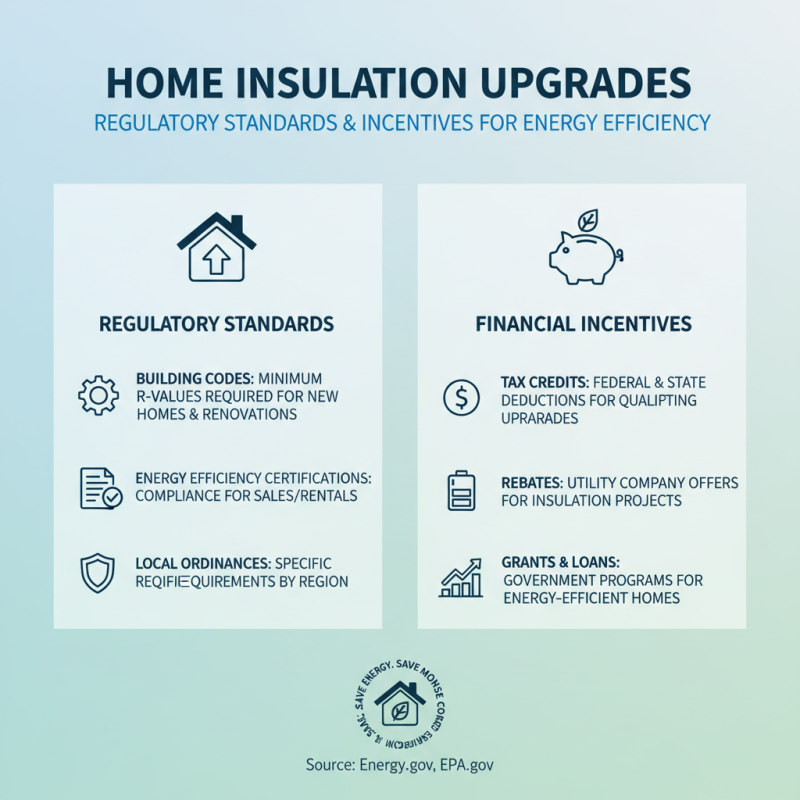
Another important point is choosing the right materials. While many types of insulation exist, not all are equally effective. Research local regulations for insulation standards. Regulations can guide you toward options that are both safe and energy-efficient. Improving insulation requires thought and careful planning. A strategic approach will yield lasting results.