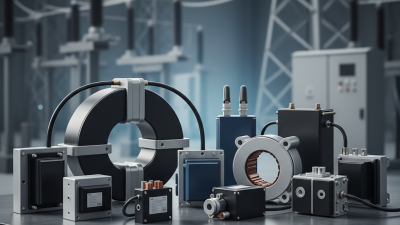
China’s transformer industry is entering a demanding phase. Renewable projects, urban expansion, and industrial electrification are increasing pressure on grid equipment. The International Energy Agency’s Electricity Grids and Secure Energy Transitions report estimates that annual global grid investment must rise above 600 billion dollars by 2030. Reliable transformers are central to that transition.
Oil-Immersed Transformer technology remains widely used for substations, factories, renewable-energy facilities, and utility networks. It offers efficient heat dissipation, strong insulation, and practical high-voltage performance. However, supplier quality varies considerably. A polished factory website proves little. Buyers should examine tested load losses, temperature-rise results, oil standards, factory certifications, warranty terms, and field-service capacity.
Dr. John J. Winders Jr., a recognized transformer engineering specialist, wrote, “The transformer is one of the most important components in the electric power system.” His point still matters. One failed unit can interrupt production, damage project schedules, and create expensive replacement challenges.
This guide reviews China’s top 10 Oil-Immersed Transformer suppliers through a practical purchasing lens. It considers manufacturing experience, product range, IEC and GB compliance, testing capability, export history, customization, and after-sales support. Public company information and industry reports provide useful evidence, but they do not tell the entire story. Supplier rankings can never be perfectly objective. Some smaller manufacturers may outperform larger brands in regional service or niche engineering.
That limitation deserves attention. A low quotation may hide longer delivery times or weaker maintenance support. Conversely, a premium price does not automatically guarantee better reliability. The strongest choice depends on application, voltage class, installation conditions, and lifecycle cost.
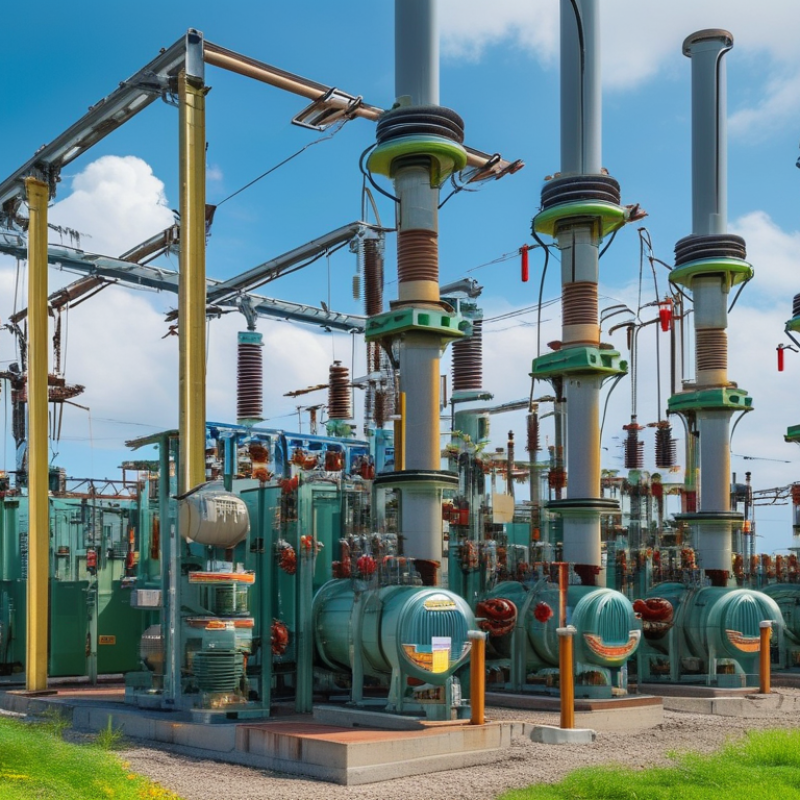
Oil-immersed transformers place the core and windings inside an insulating liquid-filled tank. The liquid is commonly mineral oil or ester fluid. It performs two jobs: electrical insulation and heat transfer. During operation, winding losses warm the fluid, which rises naturally toward external radiators. Cooler fluid then returns to the tank. This circulation keeps temperatures within the design limits defined by IEC 60076.
The construction is practical, but not simple. A conservator allows fluid expansion, while a breather helps control moisture entering the system. Buchholz protection, pressure relief devices, and temperature indicators support safer operation. CIGRE technical guidance stresses that moisture, dissolved gases, and aging insulation strongly influence transformer life. Field maintenance confirms this. Small leaks around gaskets often become expensive failures when ignored.
The grid is under pressure. The International Energy Agency’s Electricity Grids and Secure Energy Transitions report estimates that more than 80 million kilometres of grids must be added or refurbished by 2040. That expansion increases demand for reliable transformer capacity, especially near renewable generation and industrial loads. Supplier comparisons should therefore examine rated power, voltage class, loss data, cooling method, oil quality, factory testing, and service records. A low purchase price can hide higher lifetime losses. This is where evaluations become imperfect. Reported efficiency values may use different test conditions, so direct comparisons require careful verification.
China Top 10 Oil Immersed Transformer Suppliers?
How China’s Top Suppliers Are Evaluated
A serious supplier evaluation begins with factory evidence, not a polished website. Buyers should inspect production lines, winding equipment, drying ovens, and final testing areas. Experience shows that clean workshops do not always guarantee consistent transformer quality. Ask for recent test records, not only sample certificates. Important checks include insulation resistance, voltage ratio, load loss, no-load loss, temperature rise, and short-circuit performance. These results should match the ordered design.
Engineering capability also separates reliable suppliers from ordinary manufacturers. Review their experience with distribution, power, and specialized industrial transformers. Examine design calculations, material traceability, oil specifications, and protection against moisture. A strong supplier can explain why a core material, winding structure, or cooling method was selected. Vague answers deserve attention. Paperwork matters.
Delivery performance requires equal scrutiny. Compare production schedules, inspection procedures, export packaging, and spare-part support. Ask how the supplier handles oil leakage, abnormal noise, delayed testing, or installation questions. Independent inspection can verify dimensions and test results before shipment. However, even this step has limits. Numbers can mislead when testing conditions differ. A practical ranking should combine verified performance, transparent communication, lifecycle cost, and after-sales responsiveness. The lowest quotation may hide weaker materials, longer downtime, or expensive maintenance later.
China’s Top 10 Oil-Immersed Transformer Suppliers represent a strong manufacturing base for power distribution projects.
These suppliers commonly produce transformers for factories, renewable energy sites, commercial buildings, and utility networks. Their strongest capabilities include customized voltage ratios, copper or aluminum windings, sealed tanks, and tested insulation systems. Many factories also support export documentation and project-based engineering. However, “top 10” should not mean popularity alone.
A reliable evaluation should examine factory experience, production capacity, design engineers, testing equipment, and after-sales support. Look for routine test reports covering ratio, resistance, insulation, and temperature performance. Site audits can reveal practical details, such as winding cleanliness, tank welding quality, and storage conditions. Certification matters, but it does not replace technical evidence. No ranking is perfect. A supplier may perform well on large utility projects but struggle with smaller custom orders. That weakness deserves attention.
Tips: Ask for recent test records and reference projects. Confirm the warranty terms in writing. Check delivery schedules against your installation plan. Compare total ownership costs, not only the purchase price. Discuss spare parts before signing. A lower quote can become expensive when accessories, transport, or commissioning are excluded. Also, request clear drawings before production begins. Small misunderstandings can delay an entire substation.
China’s Top 10 Oil-Immersed Transformer Suppliers: Product Ranges, Technologies, and Certifications Compared
The IEA’s Electricity 2024 report forecasts global electricity demand to grow by 3.4% annually through 2026. China’s National Energy Administration reported 9.42 trillion kilowatt-hours of consumption in 2024, up 6.8%. This demand supports a broad oil-immersed transformer market.
Leading suppliers usually offer distribution, power, pad-mounted, and furnace transformers. Typical ratings range from 10 kVA to above 500 MVA. Look for ONAN and ONAF cooling, low-loss cores, sealed tanks, and online temperature monitoring. Amorphous-metal cores can reduce no-load losses, while ester fluids may improve fire performance. Yet technology claims need tested figures, not attractive brochures.
Certification matters.
IEC 60076 test compliance should cover insulation, temperature rise, losses, impulse withstand, and short-circuit performance. ISO 9001 supports process control; ISO 14001 and ISO 45001 indicate environmental and workplace systems. Ask for reports from accredited laboratories, factory acceptance records, and traceable serial numbers. CE marking may support certain exports, but it does not replace technical testing.
Tips: Compare total ownership cost, not only purchase price. Request five-year loss calculations, oil test procedures, spare-part availability, and warranty exclusions. Visit the factory if possible. A polished certificate list is not enough; I would still question incomplete type-test evidence and vague efficiency guarantees.
| Rank | Anonymous Supplier Profile | Typical Capacity Range | Voltage Class | Main Product Range | Cooling & Design Technologies | Efficiency / Loss Focus | Applicable Standards | Routine & Type Testing | Export Support |
|---|---|---|---|---|---|---|---|---|---|
| 1 | Supplier Profile 01 Large-grid project focus |
Up to 750 MVA | Up to 500 kV | Distribution, power, autotransformers, furnace and rectifier transformers | ONAN, ONAF, OFAF; low-loss grain-oriented core; online oil and temperature monitoring | High-efficiency core and winding optimization; losses specified by project contract | IEC 60076GB/T 1094ISO 9001 | Winding resistance, ratio, no-load loss, load loss, dielectric and temperature-rise tests | Strong engineering documentation and overseas project support |
| 2 | Supplier Profile 02 Utility and industrial focus |
50 kVA–315 MVA | Up to 220 kV | Oil-immersed distribution, power, mining and industrial transformers | ONAN/ONAF; sealed-tank and conservator designs; vacuum oil filling available | Amorphous-core options for selected distribution ratings; optimized copper usage | IEC 60076GB/T 1094ISO 14001 | Routine tests plus impulse, short-circuit and temperature-rise testing when specified | Common export configurations and multilingual technical files |
| 3 | Supplier Profile 03 Distribution network focus |
30 kVA–63 MVA | Up to 110 kV | Three-phase distribution, pad-mounted, pole-mounted and compact substations | ONAN; corrugated tank or radiator tank; hermetically sealed designs | Low-loss designs aligned with regional energy-efficiency requirements | IEC 60076GB/T 1094ISO 9001 | Ratio, polarity, insulation resistance, oil leakage and dielectric tests | Suitable for standardized utility tenders and containerized delivery |
| 4 | Supplier Profile 04 Renewable-energy integration |
100 kVA–100 MVA | Up to 145 kV | Collector transformers, step-up transformers and wind/solar substation units | ONAN/ONAF; high-voltage winding insulation upgrades; monitoring interfaces for digital substations | Designed for variable loading and frequent energization cycles | IEC 60076GB/T 1094ISO 9001 | Routine tests; optional lightning impulse, partial discharge and sound-level tests | Experience with renewable project schedules and skid-mounted delivery |
| 5 | Supplier Profile 05 Custom-engineering focus |
10 kVA–160 MVA | Up to 220 kV | Custom distribution, isolation, grounding and industrial process transformers | ONAN/ONAF; copper or aluminum windings; stainless-steel and special-enclosure options | Design optimized for specified load profile, ambient temperature and installation altitude | IEC 60076GB/T 1094ISO 9001 | Routine testing with customer-witness and third-party inspection options | Flexible customization and project-specific drawings |
| 6 | Supplier Profile 06 Compact substation focus |
50 kVA–20 MVA | Up to 35 kV | Oil-immersed transformers, compact substations and prefabricated substations | ONAN; integrated HV/LV switchgear packages; sealed tanks for reduced maintenance | Low-noise and low-loss options for urban and commercial installations | IEC 60076GB/T 1094ISO 9001 | Routine electrical tests, pressure tests and oil quality checks | Strong packaging and modular shipment capability |
| 7 | Supplier Profile 07 Heavy-industry focus |
1 MVA–100 MVA | Up to 110 kV | Furnace, rectifier, traction and high-current industrial transformers | ONAF/OFAF; reinforced mechanical design; enhanced short-circuit withstand capability | Thermal design optimized for harmonic content and cyclic industrial loads | IEC 60076GB/T 1094ISO 9001 | Heat-run, impedance, dielectric, harmonic-load and mechanical inspections | Project engineering support for mines, metallurgy and processing plants |
| 8 | Supplier Profile 08 Commercial and building-services focus |
50 kVA–10 MVA | Up to 35 kV | Distribution transformers for buildings, data centers and commercial facilities | ONAN; low-noise tank construction; optional temperature and oil-level alarms | Low no-load loss and reduced acoustic emissions for populated areas | IEC 60076GB/T 1094ISO 9001 | Routine tests, sound-level testing and enclosure/leakage inspections | Suitable for standard export specifications and indoor/outdoor installation |
| 9 | Supplier Profile 09 Regional utility supply |
30 kVA–40 MVA | Up to 66 kV | Utility distribution, rural electrification and pole-mounted transformers | ONAN; galvanized radiators; sealed or conservator-type tanks | Standardized designs targeting reliable service and economical lifecycle cost | IEC 60076GB/T 1094ISO 9001 | Routine tests and selected type tests based on utility specifications | Competitive lead times for repeat standard models |
| 10 | Supplier Profile 10 OEM and private-label focus |
50 kVA–25 MVA | Up to 35 kV | OEM distribution transformers, skid units and project-specific assemblies | ONAN; customizable bushings, tap changers, enclosures and control accessories | Efficiency, impedance and temperature-rise values configured to buyer requirements | IEC 60076GB/T 1094ISO 9001 | Routine tests with optional customer inspection and third-party certification | Flexible labeling, documentation and packaging arrangements |
Choosing among China’s top oil-immersed transformer suppliers requires more than comparing catalogue prices. The IEA reports that annual grid investment must exceed USD 1 trillion by 2030. Demand for reliable transformers is rising. A supplier should therefore show stable production capacity, traceable materials, and realistic delivery schedules.
Request IEC 60076 compliance documents, routine test records, and recent type-test reports. Check rated power, voltage ratio, impedance, temperature rise, insulation levels, and oil quality. Ask whether the factory performs tests in-house. Witness a sample test if possible. A polished factory tour is not enough. Inspect winding areas, drying equipment, tank welding, and final inspection records. The U.S. Department of Energy also highlights transformer efficiency and lifetime losses as important purchasing factors, not minor technical details.
Review at least three comparable quotations. Compare total ownership cost, not only the initial price. Ask for no-load and load-loss guarantees, spare-parts support, warranty terms, and response times. Verify export experience for your destination’s certification and transport requirements. Independent inspection can reduce risk before shipment. It adds cost, but failed delivery costs more. One weakness in my own evaluation would be trusting English documentation too quickly; translated test data still needs technical verification. A supplier that answers difficult questions clearly is usually safer than one offering the lowest quote.