



The Power Behind Progress: An Overview of the Global Transformer Market
The global transformer market, a cornerstone of the electrical power industry, is a dynamic and essential sector. Transformers are critical components in the transmission and distribution of electricity, from power plants to homes and businesses. As the world's energy needs continue to grow and evolve, so too does the demand for these crucial devices. The market's health is closely tied to global economic development, infrastructure projects, and the accelerating transition to renewable energy sources.
1. Key Market Drivers
Several key factors are fueling the growth of the transformer market. First and foremost is the increasing demand for electricity, particularly in emerging economies undergoing rapid urbanization and industrialization. These regions require robust and expanded power grids to support new cities, factories, and residential areas. As a result, there is a constant need for new installations and replacements of aging transformers.
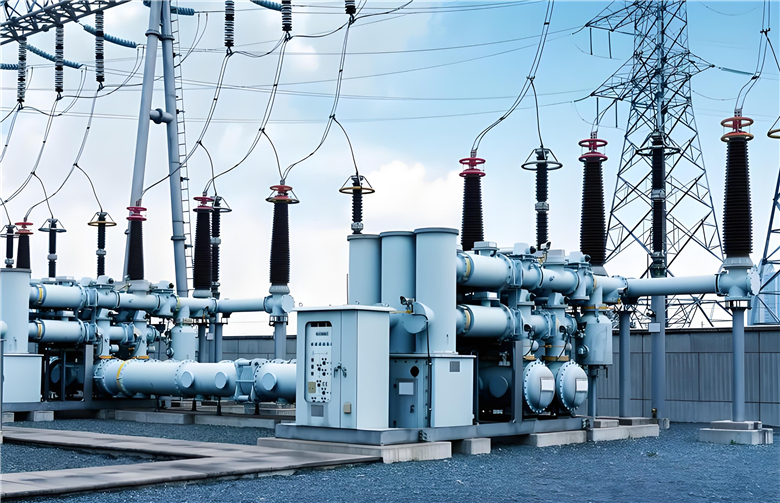
The global push towards renewable energy is another major driver. Solar and wind farms, often located in remote areas, require specialized transformers to step up voltage for long-distance transmission. As countries invest heavily in green energy infrastructure to meet climate goals, the demand for these specific types of transformers, particularly **power transformers** and **distribution transformers**, is skyrocketing.
Modernization and grid upgrades in developed nations also play a significant role. Many legacy power grids are decades old and are becoming inefficient and unreliable. The implementation of "smart grid" technologies, which improve efficiency and reliability, necessitates the replacement of old transformers with new, more advanced models.
2.Market Segmentation and Technology
The transformer market is typically segmented by product type, application, and end-user.
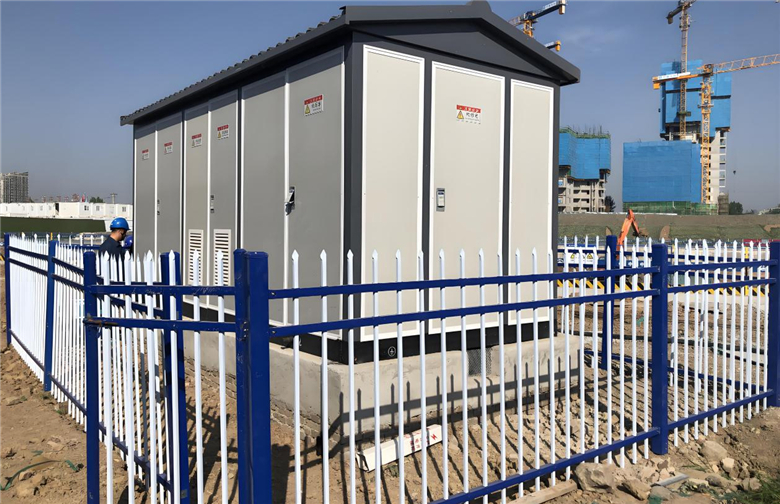
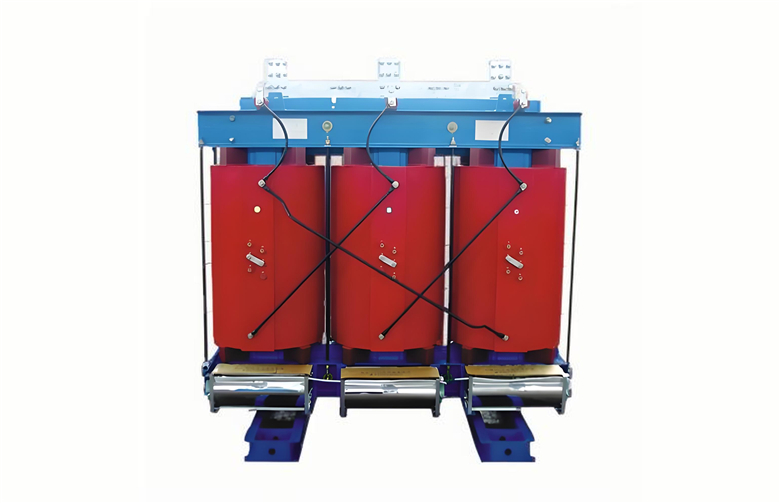
* **By Product Type:** This includes **power transformers** (used for high-voltage transmission), **distribution transformers** (used for local power supply), and **specialty transformers** (designed for specific applications like furnaces or railways).
* **By Application:** The primary applications are in **residential, commercial, and industrial** sectors, as well as in **utility** and **renewable energy** projects.
* **By End-User:** Major end-users include utilities, industrial enterprises, and residential consumers.
Technological advancements are shaping the future of the market. Manufacturers are focused on developing more energy-efficient transformers to reduce power losses and lower operating costs. The integration of advanced monitoring and diagnostic systems, which allow for real-time performance tracking and predictive maintenance, is also becoming a standard feature. Furthermore, there is a growing emphasis on environmentally friendly transformer oils and materials to reduce the ecological footprint.
3. Market Challenges and Outlook
Despite the strong growth drivers, the transformer market faces challenges. Fluctuations in raw material prices, particularly for steel and copper, can impact manufacturing costs. Stiff competition among key players and the need for significant capital investment in R&D are also constant factors.
However, the future outlook for the transformer market remains positive. The continued global demand for electricity, the energy transition towards renewables, and ongoing infrastructure development projects will ensure a steady and expanding market. As a result, the transformer market will continue to be a vital artery of the global economy, powering our homes, industries, and technological progress.