



The Safe and Efficient Choice: A Look at Dry-Type Transformers
In the world of electrical power, transformers are indispensable. They are the silent workhorses that adjust voltage levels, ensuring electricity is delivered safely and efficiently. While oil-filled transformers have been the traditional choice, a different technology has been gaining significant ground, particularly in a wide range of indoor and commercial applications: the **dry-type transformer**.
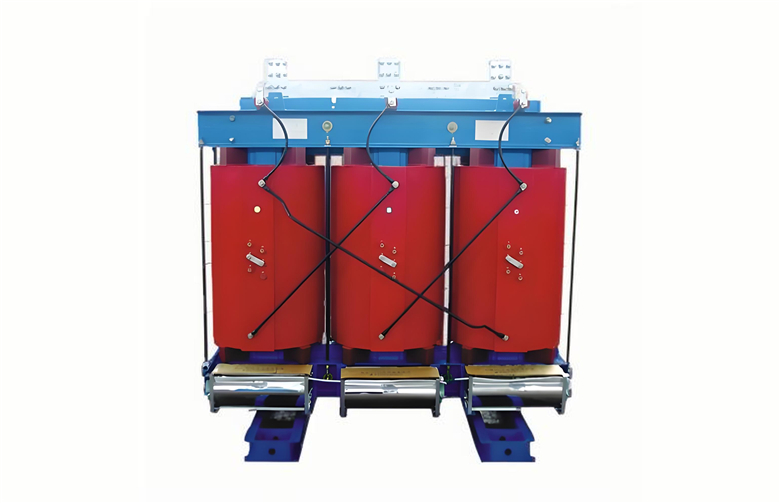
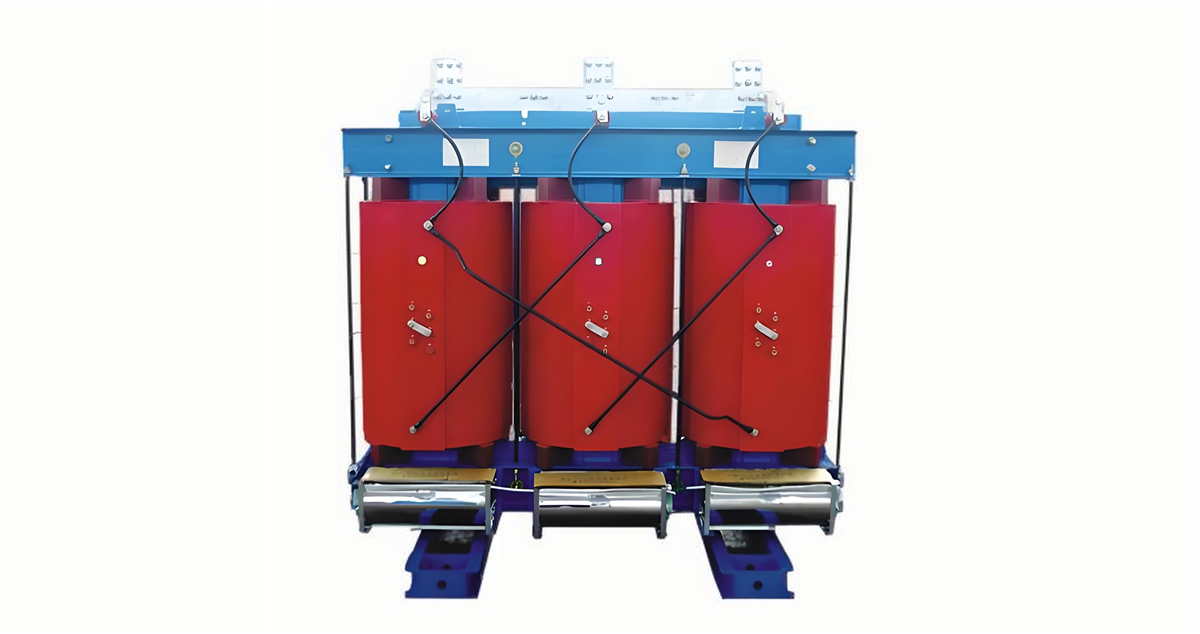
Unlike their oil-filled counterparts, dry-type transformers use air, or a solid, resin-based insulating material, instead of liquid oil. This fundamental difference gives them a unique set of advantages that are making them the preferred option for many modern electrical systems.
1. A Focus on Safety and the Environment
The most significant advantage of dry-type transformers is their inherent safety. Because they don't use flammable oil for cooling, they pose a drastically reduced risk of fire and explosions. This makes them ideal for use in public spaces and sensitive environments such as hospitals, schools, commercial buildings, and residential complexes. The absence of oil also means there's no risk of spills or leaks, eliminating a major environmental concern and the need for expensive containment measures. This makes them a more eco-friendly choice.
2. Efficiency and Low Maintenance
Dry-type transformers are also highly efficient and require very little maintenance. The solid insulation system is sealed and resistant to moisture and dust, which reduces the need for regular inspections and oil filtration that are common with liquid-filled transformers. This translates to lower operational costs and a longer lifespan. Their compact design and quiet operation also make them well-suited for installation in populated areas.
3. Diverse Applications
The applications for dry-type transformers are vast and growing. They are essential in:
* **Commercial Buildings:** Powering elevators, HVAC systems, and lighting.
* **Hospitals and Data Centers:** Ensuring a reliable and safe power supply for critical life-support and data processing equipment.
* **Manufacturing and Industrial Facilities:** Supplying power to machinery where safety and fire prevention are top priorities.
* **Renewable Energy:** Integrated into solar and wind power systems.
4. Challenges and Future Outlook
While dry-type transformers offer numerous benefits, they do have some limitations. They are generally larger than oil-filled transformers of the same capacity and can be more expensive to purchase initially. However, these upfront costs are often offset by lower installation and maintenance costs over the transformer's lifespan.
The global market for dry-type transformers is experiencing significant growth. According to a 2024 market analysis, it's projected to grow to nearly $9.7 billion by 2030, with a major market in the Asia-Pacific region. As industries and countries continue to prioritize safety, sustainability, and efficiency, the demand for dry-type transformers will only continue to rise, solidifying their role as a cornerstone of modern power distribution.