2026 Top Transformer Coil Innovations and Trends to Watch?
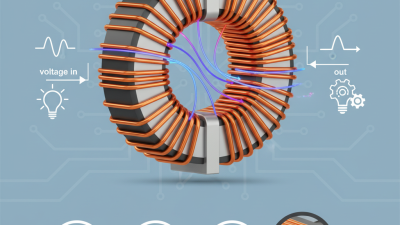
In the realm of electrical engineering, Transformer Coils play a pivotal role in energy transmission. As we approach 2026, innovations in this sector are shaping the future of power systems. According to a recent market analysis by Mordor Intelligence, the global transformer market is expected to reach $73 billion by 2026. This growth is fueled by advancing technology and an increasing demand for efficient power distribution.
Emerging trends in Transformer Coil design are pivotal for maximizing efficiency. The use of advanced materials, such as amorphous steel, promises significant energy savings. Specifically, such materials can reduce energy losses by up to 30%. Additionally, advancements in digital monitoring tools are providing real-time data on Transformer Coil performance, enhancing reliability and maintenance.
However, challenges remain. The complexity of integrating new technologies into existing systems often slows progress. Moreover, the need for skilled professionals to manage these technologies cannot be overlooked. As industries adapt, the role of Transformer Coils will undoubtedly evolve, reflecting both opportunities and obstacles in the energy landscape.

Emerging Technologies in Transformer Coil Design for 2026
As we approach 2026, transformer coil design is seeing exciting innovations. Emerging technologies are reshaping how coils are engineered and optimized. These advancements are driven by the need for efficiency and the integration of smart systems.
One significant trend is the use of advanced materials. Research into superconductors is promising. These materials can reduce energy losses significantly. However, the cost and practicality of implementation still raise questions. Moreover, the design of coil geometries is evolving to improve heat dissipation. Fewer overheating issues could mean longer lifespans for transformers.
Another notable direction is automation in the manufacturing process. This automation aims to enhance precision and reduce waste. While the benefits are clear, it requires careful control over quality. Plus, with the rise of IoT, smart monitoring systems for transformers are becoming more common. They provide real-time data on performance but depend heavily on data security considerations. Overall, the future of transformer coil design is bright, though challenges remain.
Key Innovations in Materials Used for Transformer Coils
The landscape of transformer coil materials is evolving rapidly as industries seek more efficient solutions. Emerging innovations aim to enhance performance, reduce losses, and lower environmental impacts. Recent reports indicate that the use of amorphous steel in transformer cores can reduce energy losses by up to 20%. This shift represents a growing trend towards using advanced magnetic materials.
Another significant innovation is the application of nanomaterials. These materials promise improved conductivity and enhanced thermal management. Studies show that transformers employing nanocrystalline materials can achieve up to 15% better efficiency compared to traditional options. This increased efficiency translates directly to substantial operational savings, making it essential for manufacturers to consider these materials.
Tips: When evaluating materials for transformer coils, consider the long-term benefits of energy efficiency. Also, stay informed about regulatory updates regarding material standards. Some advancements may still face implementation challenges, so it's vital to approach choices with a critical mindset. Consult technical papers and industry white papers to ensure you're making informed decisions.
2026 Top Transformer Coil Innovations and Trends to Watch - Key Innovations in Materials Used for Transformer Coils
| Innovation |
Material Used |
Benefits |
Application |
| High-Temperature Superconductors |
YBCO (Yttrium Barium Copper Oxide) |
Increased efficiency, reduced energy losses |
Large-scale power transformers |
| Nanocrystalline Materials |
Nanocrystalline Soft Magnetic Alloys |
Lower core losses, better magnetic properties |
Transformers in renewable energy applications |
| Environmentally Friendly Insulation |
Natural Ester Fluids |
Biodegradable, reduced environmental impact |
Distribution transformers |
| Advanced Cooling Techniques |
High-performance Cooling Fluids |
Enhanced operational efficiency, improved thermal management |
High-capacity transformers |
| Smart Transformer Design |
Composite Materials |
Increased durability, lightweight |
Smart grid applications |
Advancements in Thermal Management Solutions for Transformer Coils
The advancement in thermal management solutions for transformer coils is crucial for enhancing efficiency. Modern transformers generate substantial heat. Effective thermal management can significantly prolong their lifespan. This is especially vital for high-load applications. New materials and designs show promise in dissipating heat more effectively.
Innovative cooling methods, such as enhanced heat sinks and phase change materials, are gaining traction. These solutions boost thermal conductivity while reducing the size and weight of transformer components. Companies are now focusing on integrating these technologies into their designs. However, one challenge remains: balancing performance and cost. Evaluating the return on investment is essential.
Tips: Consider the environment when designing thermal management systems. Tailoring solutions for specific operational settings can improve performance. Often, overlooked details in thermal interfaces can cause failures. Regular assessments can help refine these components. Don’t overlook potential integration issues; they can lead to inefficiency and higher costs.
Sustainability Trends Impacting Transformer Coil Manufacturing
As we approach 2026, sustainability remains a crucial focus in transformer coil manufacturing. The industry is evolving to reduce environmental impact. Manufacturers are increasingly adopting eco-friendly materials. This shift involves utilizing recycled metals and sustainable insulation options. Such practices contribute to a lower carbon footprint.
Tips: Consider using materials with high recyclability. This not only helps the environment but can also improve product appeal.
Moreover, energy-efficient designs are gaining traction. These innovations lead to lesser energy loss during operations. Enhanced coil designs are being developed to optimize performance. However, the industry faces challenges with the initial costs of sustainable options. This could deter some manufacturers from making changes. Yet, long-term savings often outweigh these costs.
Tips: Evaluate the payback period for eco-friendly investments. It can guide decision-making for more sustainable solutions.
Market Predictions for Transformer Coil Demand and Applications in 2026
The demand for transformer coils is expected to grow significantly by 2026. According to recent industry reports, the global market for transformer coils is projected to reach approximately $15 billion. This growth is driven by increasing investments in renewable energy and smart grid technologies. As utilities transition to more efficient systems, higher demand for advanced transformer coils will arise.
Innovations in materials are also pushing the market forward. For instance, new aluminum and copper alloys are enhancing electrical conductivity and reducing weight. This is crucial as industries look to optimize performance while minimizing costs. Moreover, advancements in digitally controlled manufacturing are improving the precision of transformer coil production. By 2026, these innovations may lead to a 30% reduction in production times.
However, challenges remain. Fluctuating raw material prices can impact production. Additionally, there's a shortage of skilled labor in some regions. Industry experts are calling for comprehensive training programs to fill this gap. Awareness and adaptation in the face of these challenges will be critical for manufacturers looking to thrive in this evolving landscape.