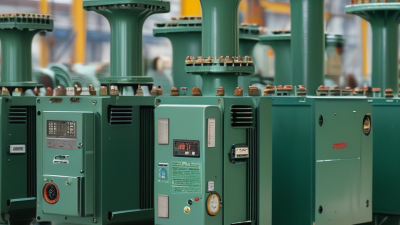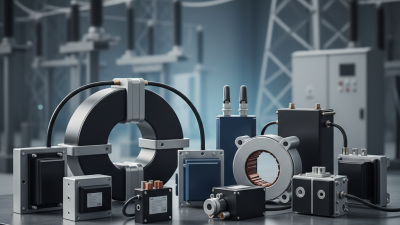
Choosing among the Best Oil-Immersed Transformer Suppliers in 2026 requires more than comparing price lists. Buyers need to examine rated capacity, voltage class, cooling method, insulation system, and the conditions at the installation site. A transformer beside a coastal substation faces different demands from one serving a dry industrial plant. Details matter.
An Oil-Immersed Transformer depends on sound design, careful manufacturing, and reliable testing. Ask suppliers for routine test records, loss data, temperature-rise limits, and clear warranty terms. Check whether they can support installation, commissioning, and spare-parts needs. A polished brochure is useful, but it cannot replace traceable technical evidence. Even then, documents may not reveal how quickly a supplier responds when equipment is delayed or a fault appears.
For this guide, electrical engineer Maya Chen offers this editorial observation: “A transformer’s real value is proven in service, not on a specification sheet.” This is an original summary, not a verified quotation from a published source. The comparison ahead considers product range, quality controls, customization, delivery capability, and after-sales support. No supplier is right for every project. The best choice depends on the load, site, budget, and acceptable risk. One caution remains: supplier claims should be checked against project-specific requirements before a purchase decision.

Oil-immersed transformers transfer electrical energy between voltage levels while using insulating oil for cooling and dielectric protection. Copper or aluminum windings sit inside a sealed or conservator-equipped tank. During operation, heat moves from the windings into the oil and then through radiators into the surrounding air. Many utility units use natural oil circulation and natural air cooling, known as ONAN.
They are common in outdoor substations, industrial plants, commercial buildings, and renewable-energy collection systems. A rural distribution transformer may serve a small neighborhood, while a larger unit can connect a solar farm to a medium- or high-voltage grid. The IEA’s Electricity 2024 report forecasts global electricity demand to grow by an average of 3.4% annually through 2026. That expansion increases the need for dependable voltage conversion near generation and consumption points.
Field experience shows that oil-immersed designs remain practical for high-capacity applications, but “low maintenance” can be misleading. Operators should test oil moisture, acidity, dielectric strength, and dissolved gases at planned intervals. The IEEE C57.104 guide links specific dissolved-gas patterns with overheating, arcing, and insulation deterioration. Small warning signs matter. Outdoor units also need bunds or containment systems, because leaks can affect soil and water. Their cooling efficiency is strong, yet installation space, fire protection, noise, and environmental requirements still influence the best transformer choice.

Evaluating oil-immersed transformer suppliers in 2026 means checking more than price and delivery promises. Start with the project’s voltage, load profile, installation environment, and expected service life. A capable supplier should explain how these conditions shape the design, rather than offer a generic rating. Ask for drawings, guaranteed loss figures, temperature-rise limits, and applicable test documentation. Requirements can vary by region and project, so confirm them with the responsible engineer.
Look closely at manufacturing and quality controls. Request traceability for core steel, windings, insulating oil, and major fittings. Review routine test records, including winding resistance, ratio, insulation, and leak checks. For a critical installation, discuss whether a factory acceptance test can be witnessed. The workshop matters. Clean assembly areas and controlled oil processing are practical signs, though a tidy floor alone proves little.
Service support deserves equal attention. Ask who handles commissioning questions, spare parts, and fault investigations, and whether response times are written into the offer. Check that documentation includes maintenance guidance and clear handling instructions. No checklist catches everything. One awkward point: buyers sometimes compare quoted efficiency without checking the stated test conditions. That can make two offers look closer than they are. A careful supplier will clarify assumptions and identify limitations, not just promise a smooth delivery.
Use this weighted scorecard to compare suppliers against the same project requirements. The weights are an illustrative evaluation model, not a market ranking or a claim about any particular supplier.
| Evaluation Dimension | What to Evaluate | Evidence to Request | Weight |
|---|---|---|---|
| Standards and regulatory compliance | Confirm that the proposed design meets the applicable IEC or IEEE requirements, local electrical codes, and project specifications. Relevant IEC 60076 parts address topics including general requirements, temperature rise, insulation levels, and short-circuit withstand. | Standards compliance matrix; design documents; declarations or certificates required for the destination market. Check the applicable standard editions and local amendments in the contract. | 18% |
| Technical design fit | Check rated power, primary and secondary voltages, frequency, vector group, impedance, tap range, cooling method, installation conditions, and specified accessories against the actual application. | Guaranteed technical data sheet; nameplate draft; general arrangement drawing; connection diagram; written confirmation of site altitude, ambient temperature, and indoor or outdoor requirements. | 15% |
| Testing and quality documentation | Verify that the offered inspection and test plan covers the required routine tests and any specified type or special tests. For example, IEC 60076-3 covers insulation levels, dielectric tests, and external clearances. | Sample test reports for comparable units; project inspection and test plan; calibrated-instrument records; factory acceptance test procedure; witness and hold-point arrangements. | 15% |
| Materials and insulating liquid | Review the specified core, windings, insulation system, tank, bushings, seals, and insulating liquid. If mineral insulating oil is specified, IEC 60296 covers unused mineral insulating oils for transformers and switchgear. | Material specifications; insulating-liquid certificate and test results; traceability records; drawings showing corrosion protection, seals, and any required containment or leak-monitoring features. | 10% |
| Efficiency and operating losses | Compare guaranteed no-load and load losses at the specified rating and reference conditions. Clarify how tolerances, measurement uncertainty, and any loss-capitalization method are handled in the purchase documents. | Guaranteed loss schedule; calculation method; applicable test procedure; contractual limits and remedies for measured values outside agreed tolerances. | 10% |
| Manufacturing capability and delivery | Assess whether the production plan, capacity, and transport arrangements suit the required quantity, delivery window, route, and site access constraints. | Project schedule with design, material, production, testing, and dispatch milestones; transport dimensions and mass; lifting and handling instructions; schedule-risk plan. | 8% |
| Warranty and after-sales support | Review the proposed warranty scope, start date, exclusions, response arrangements, spare-parts availability, and access to technical support. Warranty terms vary by contract and are not a universal industry duration. | Draft warranty terms; service contact and escalation process; spare-parts list and availability statement; commissioning and troubleshooting support plan. | 8% |
| Quality management and traceability | Evaluate documented controls for design changes, incoming materials, production inspections, nonconformities, and final release. Confirm that certification scope, where provided, covers the relevant manufacturing activity. | Quality-management certificate and scope; inspection records; nonconformance process; component traceability examples; audit or factory-visit arrangements. | 7% |
| Commercial clarity and total cost | Compare the complete supply scope, exclusions, payment terms, freight, duties, commissioning, spare parts, and any agreed treatment of loss costs—not only the quoted purchase price. | Itemized quotation; scope and exclusions list; delivery and trade-term details; payment schedule; change-order process; lifecycle-cost assumptions. | 5% |
| Environmental and safety provisions | Check project-specific requirements for insulating-liquid type, spill containment, noise, fire protection, end-of-life handling, and applicable environmental regulations. | Liquid safety and handling information; sound data where specified; spill-response or containment details; relevant environmental declarations and disposal guidance. | 4% |
| Total evaluation weight | 100% | ||
Suggested scoring: rate each dimension from 0 to 5 using the same evidence standard for every bidder, then multiply the rating by its weight. Treat compliance with mandatory safety, technical, and regulatory requirements as a pass/fail gate rather than allowing a high overall score to offset a failure.
Leading Oil-Immersed Transformer Suppliers and Their Strengths
The strongest oil-immersed transformer suppliers stand out through more than rated capacity. Look for proven design options, documented factory testing, dependable delivery, and access to field service. Some excel at large power units; others offer flexible distribution designs and shorter regional support routes. A detailed test report matters. So does a clear plan for spare parts and maintenance.
Demand is rising as grids expand and age. The International Energy Agency’s 2023 report, Electricity Grids and Secure Energy Transitions, says annual grid investment must exceed $600 billion by 2030, nearly double current levels. It also estimates that over 80 million kilometres of grids will need adding or refurbishing by 2040. These pressures make manufacturing capacity important, but capacity alone does not prove quality. Compare temperature-rise results, loss data, tank protection, oil-preservation design, and warranty terms. Some supplier claims remain hard to compare; ask for test conditions, not just headline figures.
Tips: Request a sample routine-test report and check that it matches the proposed rating. Confirm oil sampling access, delivery lead time, and who handles commissioning. A low bid can still cost more if support is distant.
Common IEC nominal system voltage levels provide a factual reference for comparing the voltage classes that oil-immersed transformer suppliers may support.
Values shown are nominal system voltage levels listed in IEC 60038, not supplier-specific transformer ratings or a supplier ranking. Actual equipment ratings and availability vary by design and market.
Choosing the best oil-immersed transformer supplier in 2026 requires more than comparing prices. Capacity, standards, and service reveal how well a supplier understands real operating conditions. Small distribution units may serve rural feeders, while larger power transformers support factories, substations, and renewable energy projects. Ask for tested ratings, impedance values, cooling methods, and guaranteed losses. A neat datasheet is useful. It is not proof of field performance.
Reliable suppliers should design equipment against recognized requirements, such as IEC 60076 or applicable IEEE standards. Their quality systems should include traceable materials, insulation checks, oil testing, temperature-rise tests, and documented factory acceptance procedures. Buyers should also confirm whether local grid rules affect bushings, noise limits, protection devices, or transport dimensions. Standards can differ between markets. That detail is often missed.
Service separates similar offers. Look for installation guidance, commissioning support, emergency response times, spare-gasket availability, and practical maintenance training. Some suppliers provide oil filtration equipment or remote temperature monitoring, which can reduce avoidable outages. Request references for transformers with similar capacities and load profiles. One weakness remains: delivery promises may overlook port delays, site access, or seasonal demand. A careful contract should define inspection points, warranty coverage, replacement responsibilities, and response targets in measurable language. During evaluation, speak with engineers who have handled failures, not only sales representatives.
Choosing an oil-immersed transformer supplier starts with the project’s actual operating conditions. Share the load profile, voltage, frequency, impedance, ambient temperature, altitude, and installation details. A unit for a humid coastal site may need different corrosion protection than one inside a dry industrial plant. Confirm which IEC 60076 or IEEE C57 requirements apply to your project.
The International Energy Agency’s 2023 report, Electricity Grids and Secure Energy Transitions, says annual grid investment needs to exceed $600 billion by 2030, roughly twice recent levels. This wider build-out can put pressure on equipment availability, so request a realistic delivery schedule and ask where key components are made. Review factory test records, guaranteed losses, oil-leak inspection procedures, warranty terms, and spare-parts support. Compare lifetime operating costs, not just the purchase price. Fit matters more. A supplier’s references should include projects with similar ratings and site conditions. Still, paperwork alone cannot reveal every commissioning problem.
Tips: Send suppliers the same technical specification and request a clause-by-clause response. Ask for evidence of routine testing and applicable type-test results. Check that drawings, accessories, and maintenance instructions match the delivered unit. Ask for proof. Keep a written record of any exceptions before placing the order.