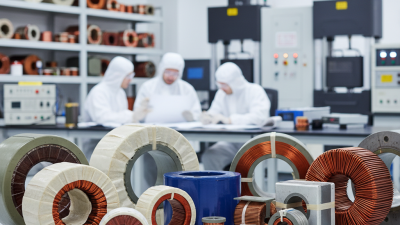
China Top Transformer Coil Manufacturers and Their Innovations?
The transformer coil industry in China is a dynamic landscape of innovation and competition. Leading manufacturers play a crucial role in the development of energy-efficient technologies. Transformer coils are essential for voltage regulation and energy transformation in various applications.
Chinese manufacturers have introduced advanced materials and designs that enhance performance. They focus on reducing losses and improving durability. Their innovations reflect a strong commitment to meeting global energy standards. However, the rapid growth also brings challenges. Companies must navigate environmental regulations and market demands.
Exploring the key players in this sector reveals a blend of tradition and modernity. These manufacturers strive for excellence while addressing sustainability. As the industry evolves, their contributions to transformer coil technology shape the future of energy solutions in China and beyond.
Overview of Transformer Coil Manufacturing in China
Transformer coil manufacturing in China is a dynamic industry, known for its rapid evolution and innovation. Many manufacturers have adopted advanced technologies to enhance production efficiency. Automation plays a significant role in streamlining processes, leading to higher precision in coil winding and assembly. The use of robotics in manufacturing has not only increased output but also reduced the risk of errors.
Innovation is essential in this sector. Manufacturers experiment with materials to improve electrical conductivity and thermal resistance. Some are exploring the use of eco-friendly materials to meet global sustainability standards. However, challenges remain in balancing innovation with cost-effectiveness. Maintaining quality while keeping prices competitive is a delicate task.
Tips: Always consider the impact of innovations on the environment. Engage with experts in material science for better insights. Staying informed about global standards can enhance the quality of products. Continuous learning and adaptation are crucial in this evolving industry. Emphasizing reliability is vital for customer satisfaction.
Leading Transformer Coil Manufacturers in China
China's transformer coil manufacturing sector exhibits significant innovation and growth. According to a recent industry report from MarketsandMarkets, the transformer market in China is projected to reach $23 billion by 2025, reflecting a compound annual growth rate (CAGR) of approximately 7%. This growth can partly be attributed to advancements in materials and manufacturing techniques, resulting in more efficient and durable transformer coils.
Leading manufacturers in China are focusing on reducing energy losses. The adoption of amorphous steel and improved winding technologies has demonstrated a reduction in core losses by up to 20%. Furthermore, many companies are investing in automation and smart manufacturing. This shift enhances production efficiency while ensuring consistent quality. However, the challenge remains in meeting ever-demanding regulatory standards and addressing sustainability concerns. Balancing innovation while adhering to environmental regulations is an ongoing task for many manufacturers.
Emerging technologies like IoT are influencing transformer coil design. Manufacturers are integrating smart sensors into coils for real-time monitoring. This connectivity can enhance maintenance practices but also raises concerns about cybersecurity. Companies must navigate the intricacies of this new landscape while ensuring that innovations lead to tangible benefits. Overall, the evolution in China's transformer coil industry offers exciting prospects, though challenges necessitate continuous reflection and adaptation.
Innovations in Transformer Coil Technology by Chinese Firms
In recent years, Chinese manufacturers have made significant strides in transformer coil technology. These advancements are crucial in enhancing efficiency and reliability in power distribution. Innovative approaches include the use of advanced materials and optimized designs that improve operational performance.
One notable trend is the adoption of high-temperature superconductors. These materials reduce energy losses during transmission. They also enable transformers to operate at higher efficiency levels. However, the cost and complexity of these materials present challenges. Companies often struggle with balancing innovation and budget constraints.
Tips: Consider the environmental impact of new technologies. Sustainable practices can enhance a company's reputation. Focus on research and development. Investing in innovation can yield long-term benefits, even if the initial results are not immediately favorable. By continuously refining their products, manufacturers can stay ahead in a competitive market. Embracing challenges is key to growth.
Impact of Market Demand on Chinese Transformer Coil Manufacturing
The demand for transformer coils in China has been surging, driven by major developments in renewable energy and electric vehicles. According to a recent market report, the transformer coil sector is projected to grow at a rate of 7.5% annually over the next five years. This growth presents opportunities and challenges for manufacturers.
As market demand increases, companies are innovating to enhance efficiency and reduce production costs. Many are implementing advanced technology in manufacturing processes. For instance, the use of automation in coil winding has shown to reduce human error and boost production speed. However, navigating supply chain issues remains a significant obstacle. Fluctuations in raw material prices can disrupt operations and affect profit margins.
Tips for manufacturers include investing in research and development. Continuous innovation is vital for staying competitive. Collaboration with suppliers can also lead to better material quality and cost management. Remember, market trends require an adaptable approach. Recognizing shifts early can offer a competitive edge. Balancing demand and operational capability is key for sustainable growth in this dynamic environment.
Impact of Market Demand on Chinese Transformer Coil Manufacturing
Future Trends in China's Transformer Coil Industry
The transformer coil industry in China stands on the brink of transformation. As electrical demands surge, so do the innovations aimed at enhancing efficiency. Recent reports indicate that the market for transformer coils is projected to grow at a CAGR of 6.3% by 2027. This growth is fueled by increased investments in renewable energy and electric vehicle infrastructure. Manufacturers are focusing on developing coils with higher insulation resistance, which could increase longevity and reduce downtime.
Furthermore, advancements in materials are paving the way for more efficient designs. The use of nanomaterials and advanced polymers is becoming commonplace. These materials help reduce weight while maintaining strength. However, the challenge remains in scaling these innovations to mass production. The industry also faces hurdles in achieving sustainability. For instance, the recycling of old coil materials is not yet fully addressed. The reliance on traditional manufacturing processes can hinder progress toward environmentally friendly options.
Cooperation among industry players is becoming essential. Collaborative efforts in research and development can accelerate the adoption of new technologies. Despite these potential benefits, there are gaps in standardization that could slow down integration. As the market evolves, the emphasis on quality and reliability remains paramount for manufacturers. Ensuring these factors will be crucial for navigating future challenges and opportunities in the transformer coil landscape.