Why Do You Need a Converter Transformer for Your Electrical Systems?
In the realm of electrical systems, Converter Transformers play a critical role. These devices ensure efficient voltage conversion for various applications, from renewable energy installations to industrial power grids. According to a recent report by Global Market Insights, the Converter Transformer market is projected to reach $15 billion by 2026, highlighting its increasing demand in the energy sector.
Expert Michael R. Johnson, a leading figure in transformer technology, states, "Converter Transformers are essential for optimizing energy transfer." Their unique design allows for seamless integration into existing electrical frameworks, improving overall system efficiency. The demand for reliable energy solutions mandates that industries prioritize such technologies to remain competitive and sustainable.
However, the implementation of Converter Transformers is not without challenges. Issues such as initial costs and technical complexity require careful consideration. As the industry evolves, understanding the intricacies of integrating these systems is crucial for stakeholders. Emphasizing the importance of continued innovation, we see that the conversation around Converter Transformers is just beginning.
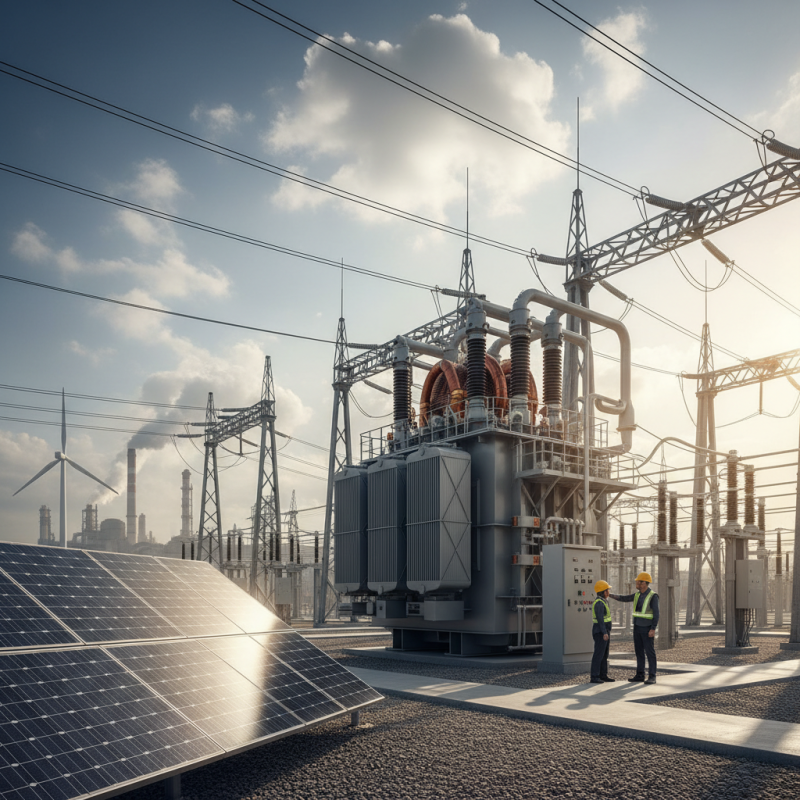
Understanding the Basics of Converter Transformers in Electrical Systems
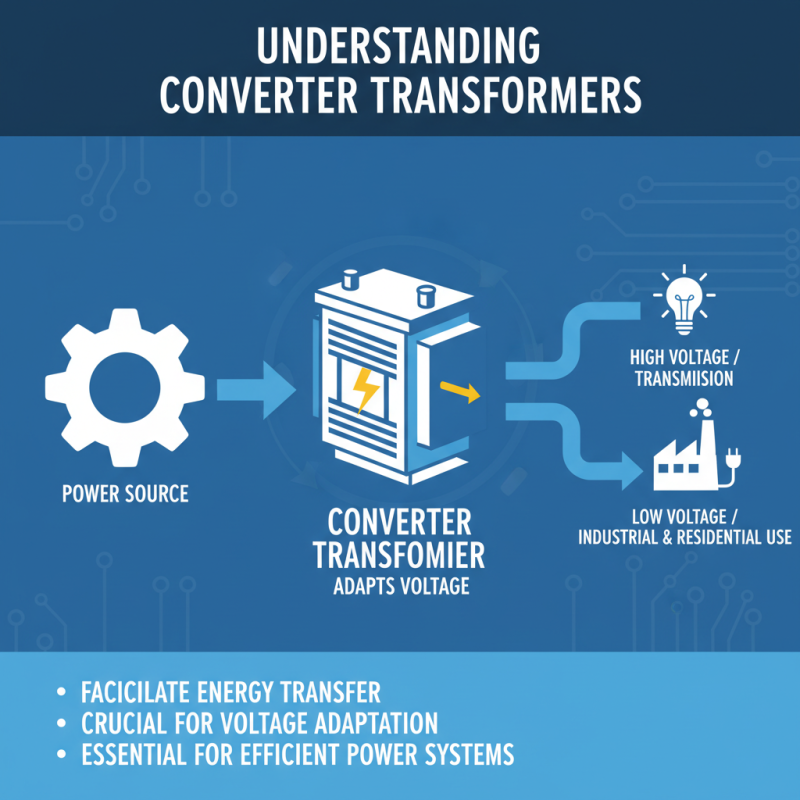
In electrical systems, converter transformers play a crucial role. They facilitate the transfer of electrical energy, adapting voltage levels for various applications. Understanding their function helps in designing efficient power systems.
Converter transformers are designed to handle different voltage types. They manage the conversion between AC and DC currents, which is essential for modern electrical grids. This conversion can be complex. Inadequate design can lead to losses and inefficiencies. Therefore, selecting the right specifications is vital.
These transformers can experience unforeseen challenges. Temperature fluctuations can affect their performance. Regular maintenance is necessary to ensure reliability. Operators must stay vigilant for signs of wear. Identifying potential issues early can save time and costs.
The Role of Converter Transformers in Power Conversion Processes
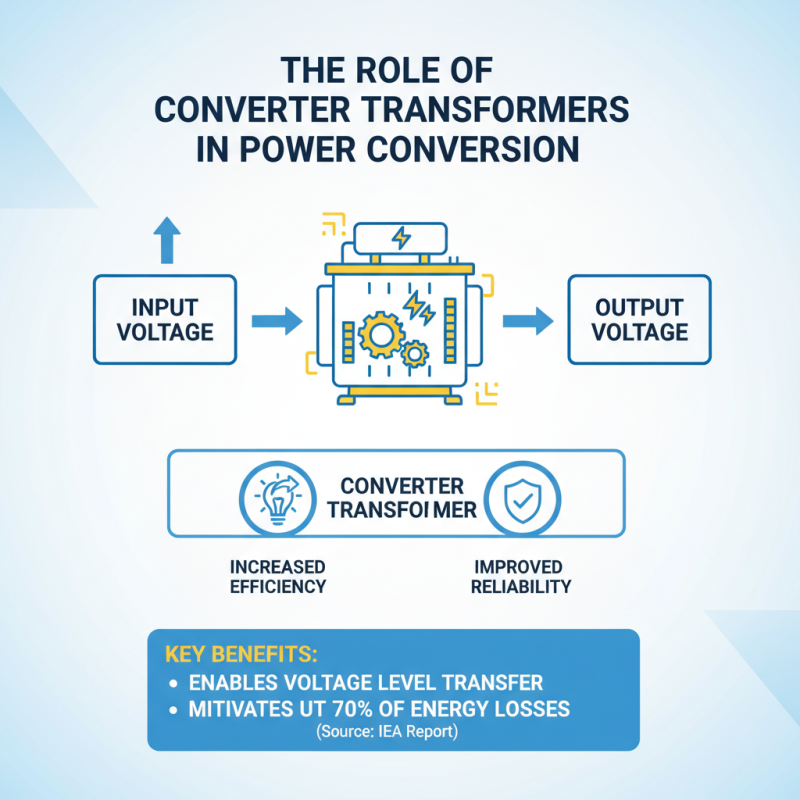
Converter transformers play a crucial role in power conversion processes. They enable the transfer of electrical energy between different voltage levels. This is especially important in modern electrical systems, where efficiency and reliability are key. For instance, according to a report from the International Energy Agency, up to 70% of energy losses in power systems can be attributed to inadequate voltage regulation. Converter transformers help mitigate these losses by ensuring safe and efficient energy transfer.
Furthermore, converter transformers facilitate the integration of renewable energy sources. This has become increasingly vital as global reliance on clean energy grows. A study from the National Renewable Energy Laboratory noted that robust transformer infrastructure is essential for successful grid operations. As more wind and solar facilities come online, converter transformers help maintain stability, enabling easier power distribution across regions.
Despite their importance, challenges persist. The initial cost and complexity of installing converter transformers can be high. Many systems also require ongoing maintenance, which can be overlooked. Some industry experts recommend regular assessments to ensure efficiency, yet not all systems adopt this approach. The balance between investment and return remains a topic for reflection in the industry.
Benefits of Using Converter Transformers for Electrical Applications
Converter transformers are crucial in modern electrical systems. They play a significant role in converting AC to DC and vice versa, enabling efficient energy distribution. According to a 2022 report from the International Energy Agency, converter transformers are essential in renewable energy applications, supporting grid integration of solar and wind power.
One key benefit of using converter transformers is their ability to improve energy efficiency. With proper design, they can achieve energy losses as low as 0.25%. This efficiency translates to substantial cost savings over time. Additionally, they help stabilize voltage levels, which is critical for maintaining system reliability. In fact, a study by the Electric Power Research Institute noted that maintaining voltage stability can reduce operational risks by up to 30%.
Another advantage is their flexibility in various applications. Converter transformers support large-scale power transmission and distribution. For instance, they are widely used in high-voltage direct current (HVDC) systems. These systems are becoming increasingly popular due to their lower line losses over long distances. However, the implementation of converter transformers isn't without challenges. Technical limitations can sometimes lead to issues such as harmonics, which need careful management.
Key Technical Features of Converter Transformers
Converter transformers are essential in modern electrical systems. They facilitate the conversion of alternating current (AC) to direct current (DC) and vice versa. This capability supports various applications, including renewable energy integration and power grid enhancements.
One key technical feature of converter transformers is their ability to manage high voltage levels efficiently. These transformers are designed to withstand significant electrical stress. They also possess a robust insulation system to ensure longevity and reliability. Their cooling system is crucial in maintaining optimal operational temperatures. Effective cooling reduces the risk of overheating and ensures stable performance.
Another important aspect is the transformer’s harmonic filtering capability. It minimizes undesirable current distortions, which can lead to equipment failure and energy loss. Incorporating these transformers encourages better energy efficiency. However, the complexity of their design requires careful consideration during installation. Mistakes can lead to operational issues, affecting overall system reliability. Understanding these technical features helps in making informed decisions for electrical system design.
Why Do You Need a Converter Transformer for Your Electrical Systems? - Key Technical Features of Converter Transformers
| Feature |
Description |
Benefits |
| High Voltage Capability |
Designed to handle voltages typically above 110 kV. |
Ensures safe energy transfer in high voltage systems. |
| Compact Design |
Optimized for space-saving installations. |
Reduces installation space and costs. |
| Thermal Management |
Special design for efficient heat dissipation. |
Increases reliability and extends lifespan. |
| Modular Construction |
Easily configurable to meet different power requirements. |
Facilitates scalability and adaptability. |
| Low Noise Operation |
Engineered to minimize operational sounds. |
Enhances user comfort and reduces impact on surroundings. |
| Robust Insulation |
Quality materials used for insulation against electrical faults. |
Increases safety and decreases risk of failures. |
Common Applications and Industries Utilizing Converter Transformers
Converter transformers play a critical role in various industries, serving unique functions in electrical systems. One of the most prominent applications is in renewable energy. According to recent data, the global renewable energy market is expected to reach $2 trillion by 2025. Converter transformers facilitate the integration of renewable sources like wind and solar into the grid by converting the generated power into usable forms. This is vital for the stability of energy distribution networks.
Heavy industries, such as steel and mining, also rely on converter transformers. These transformers convert high-voltage electricity to lower voltages, essential for operating industrial machinery. Reports indicate that industrial energy consumption accounts for over 30% of total global energy use. Converter transformers ensure that power is efficiently distributed, minimizing energy losses.
In addition to power generation and industrial applications, converter transformers are integral to electric vehicle (EV) charging stations. The U.S. market for EV charging is predicted to grow significantly, reflecting society's shift towards electric transportation. Converter transformers allow for quick charging, enhancing the efficiency of these stations. However, there may be challenges in adapting current infrastructure, which needs careful examination.