How to Choose Distribution Transformers for Global Buyers
Choosing Distribution Transformers for global projects is no longer a simple price comparison. Grid expansion, renewable generation, and industrial electrification are increasing pressure on transformer supply chains. The International Energy Agency’s Electricity 2024 report forecasts strong global electricity-demand growth through 2026. That growth requires dependable equipment at substations, factories, hospitals, and remote communities.
Supply conditions also deserve close attention. The U.S. Department of Energy’s Distribution Transformer Supply Chain Review highlights extended lead times, limited manufacturing capacity, and rising material costs. These pressures can affect delivery dates, spare-unit planning, and total ownership costs. A cheaper transformer may become expensive when losses, maintenance, or replacement delays are included.
Markus Heimbach, Managing Director of Hitachi Energy’s Transformers business, has described transformers as “the backbone of the power system.” That phrase is practical, not decorative. A correctly selected unit must match voltage, frequency, load profile, climate, installation space, and local grid requirements. It must also support safe operation and reliable service over decades.
Global buyers should examine efficiency data, insulation systems, cooling methods, noise levels, testing records, and supplier experience. Certification matters. So do factory audits and clear warranty terms. Yet no checklist is perfect. Field conditions often differ from tender documents, especially in hot, humid, dusty, or weak-grid locations. This guide explains how to compare Distribution Transformers with greater technical discipline, stronger supplier evidence, and fewer costly assumptions.
Define Distribution Transformer Types and Their Typical Applications
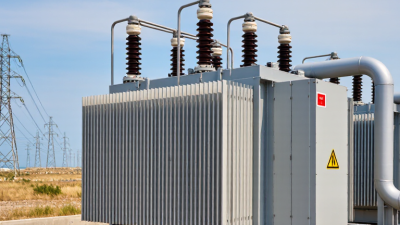
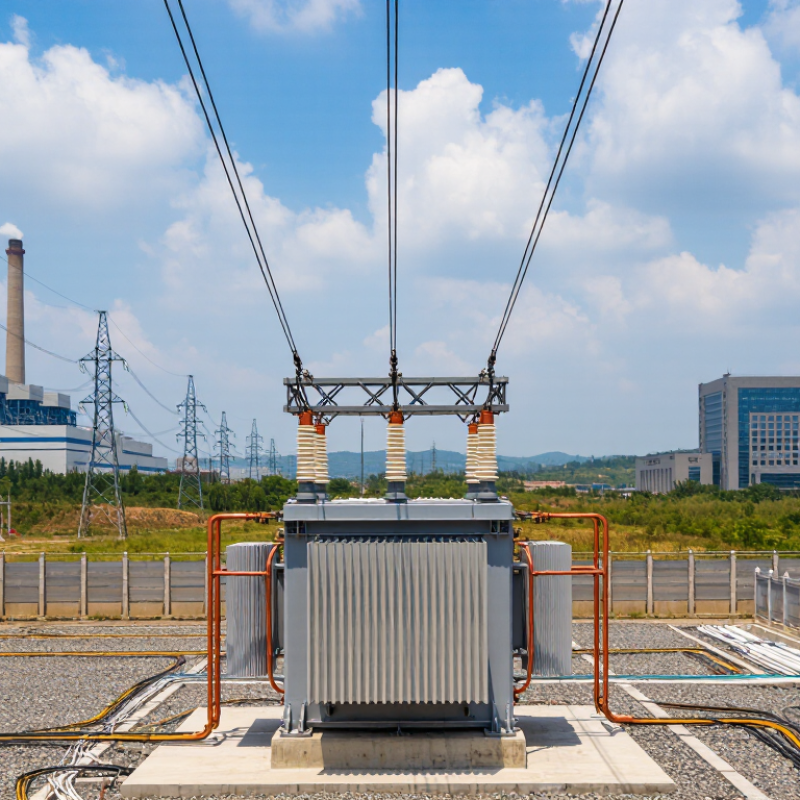
Distribution transformers reduce medium-voltage electricity for homes, businesses, and industrial equipment. Their type affects safety, maintenance, footprint, and installation cost. Oil-immersed transformers use mineral or ester-based liquid for insulation and cooling. They suit outdoor substations, industrial feeders, and rural networks. A sealed tank can tolerate dust, rain, and seasonal temperature changes. However, liquid containment and inspection remain important. Not every site benefits from the lowest purchase price.
Dry-type transformers use air or solid insulation instead of liquid. They are common inside commercial buildings, hospitals, schools, and factories. Cast-resin designs handle humid rooms better than many basic ventilated units. They avoid liquid leakage concerns, but ventilation and noise still need checking. A basement installation may need a quieter enclosure and forced airflow. A factory may prioritize overload capacity and harmonic performance. Those details are often missed.
Pole-mounted transformers serve overhead residential lines and remote communities. Pad-mounted units sit in locked, ground-level cabinets for underground distribution systems. They fit new housing areas, compact neighborhoods, and public facilities. Single-phase units often support small homes, while three-phase units serve larger loads. Buyers should compare voltage ratio, frequency, tap range, losses, fault level, and local standards. Site temperature and altitude can change rated performance. A common mistake is copying specifications between projects without checking actual load growth. That shortcut can cause avoidable heating and early replacement.
Match Transformer Ratings to Voltage, Load, and Operating Conditions
For global buyers, transformer selection starts with the actual voltage at the installation site. Verify primary and secondary voltages, frequency, phase arrangement, and permitted voltage variation. A nameplate rating that looks correct may fail under local conditions. Site records, utility data, and a qualified engineer’s review provide stronger evidence than a sales sheet. Measure twice.
Match kVA to the measured load, not only the connected equipment list. Record motor starting currents, welding cycles, HVAC peaks, and future expansion plans. Continuous load and short-term overload have different effects on heating and insulation life. A transformer running near its limit every afternoon may need more capacity, even when its monthly average looks modest. Leave practical headroom. Too much spare capacity, however, can raise cost and reduce efficiency at light load. Field reviews often reveal missed seasonal peaks, especially when summer cooling demand is ignored.
Operating conditions complete the rating decision. Outdoor units may require weather protection, corrosion-resistant enclosures, and suitable cooling arrangements. High altitude reduces air density and can affect thermal performance. Dust, salt, humidity, and frequent switching also deserve attention. Confirm insulation levels, temperature rise, sound limits, tap settings, and protection coordination. Standards differ by market, so local compliance documents must be checked before purchase. Do not assume one specification fits every country. That assumption is costly.
How to Choose Distribution Transformers for Global Buyers
Transformer ratings must match the expected load, system voltage, and operating environment.
This chart compares the theoretical full-load current of common three-phase transformer ratings
at 400 V and 480 V.
Values are calculated using I = kVA × 1,000 ÷ (√3 × voltage), assuming a balanced load
and unity power factor. Actual selection should also consider load growth, ambient temperature,
altitude, harmonics, duty cycle, cooling method, enclosure, and required voltage regulation.
Evaluate Efficiency, Safety Standards, and Environmental Performance
Choosing a distribution transformer requires more than comparing purchase prices. Efficiency affects every operating hour, especially in facilities running pumps, refrigeration, or lighting continuously. Review no-load and load losses separately. A small percentage difference can become a large energy expense over twenty years.
Safety performance deserves equal attention. Check insulation levels, temperature-rise limits, enclosure protection, fire behavior, and factory test records. Confirm that the design matches applicable IEC, IEEE, or national requirements. Local certification may still be necessary after shipment. A familiar certificate is not always accepted everywhere. Ask for traceable test data, installation guidance, and clear maintenance intervals. These details reveal whether the supplier understands real operating conditions.
Environmental performance includes more than low energy loss. Compare liquid type, leak-control features, noise levels, recyclable materials, and end-of-life procedures. Dry-type units may suit indoor areas where fire risk or spill control matters, while liquid-filled units can offer useful thermal performance. The correct choice depends on climate, load profile, ventilation, and service access. A spreadsheet alone can mislead. Real conditions matter.
Tips: Request a total-cost model covering losses, inspections, transport, and disposal. Test assumptions with measured site data. Leave room for doubt. A promised efficiency figure may change under heat, imbalance, or partial load. Ask an independent engineer to review the final specification before ordering.
Compare Installation Requirements, Maintenance Needs, and Service Life
Choosing a distribution transformer requires more than comparing purchase prices. Installation conditions shape maintenance effort and service life. Check ambient temperature, altitude, humidity, seismic exposure, and available ventilation. A dry-type unit may suit indoor sites with strict fire controls. Oil-immersed equipment often offers better outdoor cooling, but it needs spill containment and routine fluid inspections.
The U.S. Department of Energy estimates that distribution transformer losses consume over 60 billion kilowatt-hours annually in the United States. This makes efficiency important during procurement. However, efficiency figures must match the actual load profile, not only the laboratory rating. IEEE guidance supports dissolved gas analysis for oil-filled transformers, while inspection frequency should reflect loading, moisture, and fault history. Look for accessible terminals, safe lifting points, and clearances for infrared testing. Small installation mistakes become expensive maintenance problems.
Service life depends heavily on temperature management. IEC 60076-7 explains the widely used rule that every 6°C rise in winding hot-spot temperature can approximately halve insulation life. Many utility planning documents use 20 to 30 years as a practical transformer life range, although some units operate longer under moderate loading. I would not trust a life estimate without reviewing daily load records and site conditions. A neat spreadsheet can still mislead. Budget for oil testing, gasket replacement, fan checks, and spare protection components. Also ask whether qualified local technicians can respond within hours, not weeks.