How to Choose the Right Dry Transformer for Your Electrical Needs?
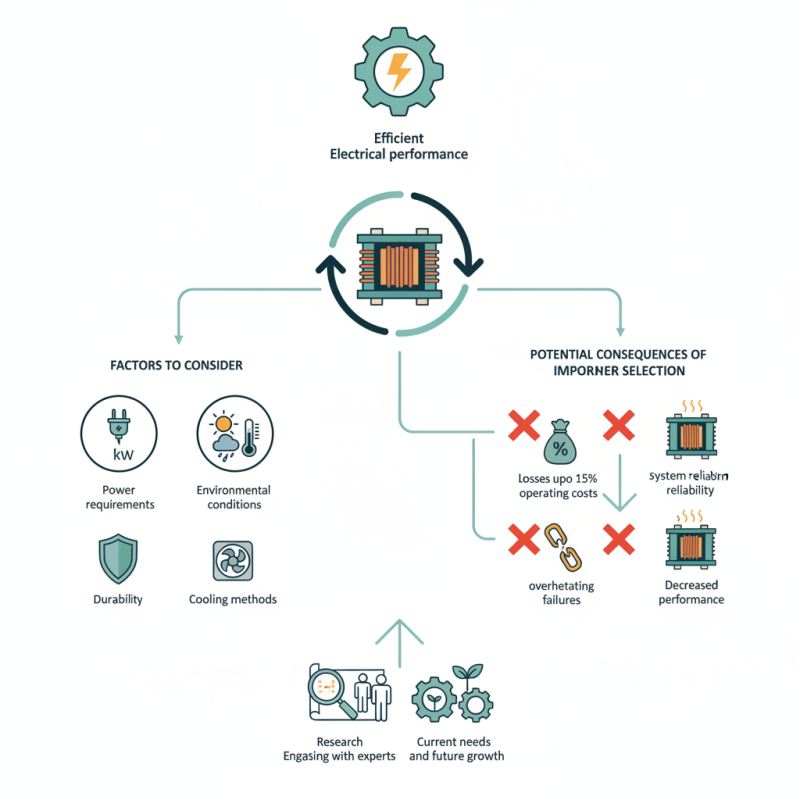
Choosing the right Dry Transformer is essential for efficient electrical performance. A report by the Electrical Research Association highlights that improper selection can lead to losses up to 15%. This can significantly affect operating costs and system reliability. Industry expert John Smith emphasizes, “The right Dry Transformer can enhance energy efficiency and reduce maintenance expenses.”
When selecting a Dry Transformer, consider factors like power requirements and environmental conditions. It's not just about capacity; durability and cooling methods are crucial too. Data from the International Electrotechnical Commission shows that over 30% of transformers fail due to inadequate specifications. Understanding these details is vital for making an informed choice.
Many overlook the importance of installation and location. A poorly placed Dry Transformer can lead to overheating and decreased performance. It’s easy to assume any transformer fits your needs. Yet, this mindset can lead to inefficiencies and unexpected costs. Engaging with experts and thorough research is necessary. Your choice should reflect both current needs and future growth.
Factors to Consider When Selecting a Dry Transformer
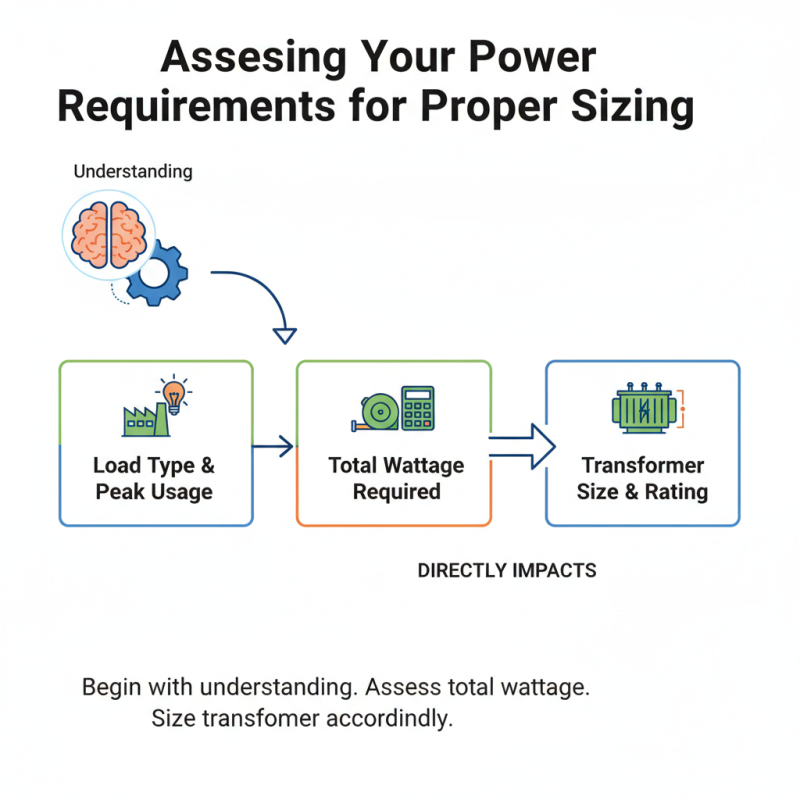
Choosing the right dry transformer involves various critical factors. Begin by assessing your power requirements. Understanding the voltage, current, and capacity needs is essential. This affects the transformer's efficiency and longevity. An underrated transformer can lead to overheating and operational failures.
Consider the installation environment. Dry transformers are often designed for indoor use, while some can handle outdoor conditions. Evaluate the humidity, temperature, and potential exposure to chemicals. These elements directly influence the transformer's durability.
Tips: Check the transformer's cooling system. Enhanced cooling can improve performance and reliability. Maintenance accessibility is crucial too. Regular inspections will help avoid costly downtimes. Lastly, review safety standards. Compliance ensures protection against electrical hazards. Proper vigilance can prevent issues before they escalate.
Transformer Types vs. Efficiency Rating
Understanding Different Types of Dry Transformers
When selecting a dry transformer, understanding its types is crucial. Dry transformers are categorized mainly into cast resin and ventilated types. Each type offers unique advantages based on specific applications. Cast resin transformers are often chosen for their fire-resistant properties. They are ideal for environments with high safety standards. According to a report by the North American Transformer Association, about 30% of facilities favor this type for risk mitigation.
Ventilated dry transformers, on the other hand, are recognized for cost-effectiveness. They operate well in indoor settings, where temperature fluctuations are manageable. The Institute of Electrical and Electronics Engineers (IEEE) indicates that ventilated transformers can be up to 20% cheaper than cast resin options. However, they may require additional maintenance in dusty environments.
Installation considerations can impact your choice. Often, local regulations influence the preferred type. Some areas mandate the use of cast resin to enhance fire safety. Reflecting on these factors can lead to decisions that better align with your operational goals. Balancing safety, cost, and maintenance needs remains a complex challenge.
Take time to evaluate the specifics of your electrical needs to make an informed choice.
Evaluating Efficiency and Performance Ratings
When selecting a dry transformer, understanding its efficiency and performance ratings is crucial. Efficiency is often shown as a percentage. A higher percentage means less energy loss. For many companies, even a small change can lead to significant savings over time. Evaluating the efficiency helps in making informed decisions. It’s not just about the upfront cost; focus on long-term benefits.
Performance ratings provide additional insights. They can indicate how well a transformer performs under different loads. Knowing the temperature rise limits is vital too. If a transformer gets too hot, it can fail prematurely. Assessing load requirements helps avoid such issues. Energy loss can also affect overall costs in businesses, sometimes more than expected.
Understanding these factors isn’t always straightforward. Not all performance ratings are equal. Some may be inflated or misrepresented. It’s essential to review specifications critically. Consulting with an expert can clarify unclear points. Balancing efficiency and performance is an art. Maintain awareness of the specific needs of your system; this can lead to better choices in the long run. Adjust as necessary and stay informed.
How to Choose the Right Dry Transformer for Your Electrical Needs? - Evaluating Efficiency and Performance Ratings
| Transformer Type |
KVA Rating |
Efficiency (%) |
Temperature Rise (°C) |
Voltage Class (V) |
| Single Phase |
10 KVA |
98.0 |
80 |
240 |
| Three Phase |
30 KVA |
98.5 |
80 |
480 |
| Single Phase |
50 KVA |
97.0 |
85 |
240 |
| Three Phase |
75 KVA |
98.7 |
80 |
480 |
| Single Phase |
100 KVA |
96.5 |
90 |
240 |
Installation and Maintenance Considerations for Dry Transformers
Choosing the right dry transformer involves careful consideration of installation and maintenance. Proper installation significantly enhances performance. A study from the Electric Power Research Institute indicates that installation mistakes can reduce efficiency by up to 15%. Ensure that the transformer is located in a dry, well-ventilated area to prevent overheating. Adequate space around the unit is crucial for airflow and maintenance access.
Maintenance practices vary by model but generally, routine inspections are essential. Check for dust accumulation and tighten electrical connections every six months. According to the National Electrical Manufacturers Association, regular maintenance can extend transformer life by up to 25%. Don't overlook coolant levels and insulation integrity; both can affect functionality.
Tips: Regularly document maintenance activities. Keeping a log can reveal patterns, helping predict potential failures. Consider using thermal imaging to spot issues early. Lastly, train staff on basic troubleshooting to ensure quick responses to minor issues, ensuring a reliable operation.