Leave Your Message

2026 Best Dry Transformer Types for Global Buyers

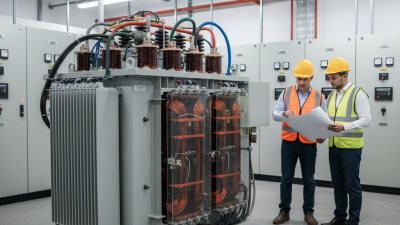
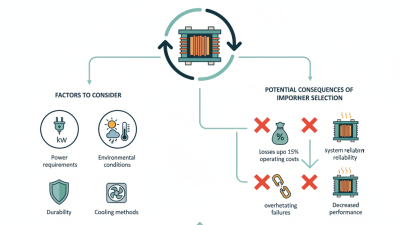
Choosing the best Dry Transformer in 2026 requires more than comparing prices or catalog ratings. Global buyers face different climates, grid conditions, installation rules, and service expectations. A unit operating inside a dry warehouse may need different protection than one installed near a humid coastline. Small details matter. Enclosure design, insulation class, temperature rise, noise level, and cooling method can affect performance for decades.

Transformer specialist Dr. Thomas A. Prevost has emphasized a practical lesson: “Dry-type transformers are not maintenance-free; they are maintenance-reduced.” That warning remains valuable for purchasing teams. Cast-resin transformers offer strong moisture resistance and dependable fire performance. VPI transformers can provide efficient operation in controlled indoor environments. Open-wound designs may reduce initial costs, but they demand more careful site conditions. Amorphous-core models can also reduce no-load losses, although their purchase price may be higher.

This guide compares the leading Dry Transformer types for international applications. It considers capacity, voltage range, insulation materials, cooling systems, environmental exposure, maintenance access, and compliance requirements. Buyers should also verify local certifications, factory testing, delivery support, and replacement-part availability. A transformer may look ideal on paper yet perform poorly when ventilation is restricted or harmonics are ignored. No shortlist is perfect. Real projects often involve compromises. The strongest choice balances efficiency, safety, durability, total ownership cost, and the realities of the installation site.
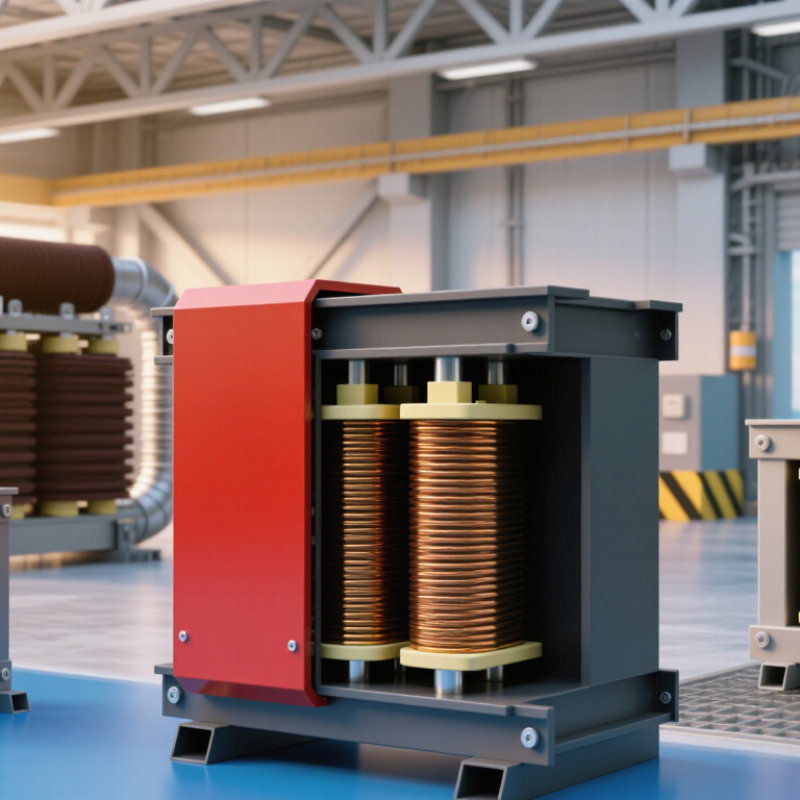
2026 Best Dry Transformer Types for Global Buyers

Dry Transformer Basics and Operating Principles

Dry transformers transfer electrical energy without liquid insulation. They use air and solid materials instead. An alternating current enters the primary winding and creates a changing magnetic field in the core. This field induces voltage in the secondary winding through electromagnetic induction. The turns ratio controls whether voltage rises or falls.

Common dry transformer types include cast-resin and vacuum-pressure-impregnated designs. Cast-resin units protect windings with hardened insulation, making them suitable for humid indoor areas. VPI units use treated insulation and depend more heavily on enclosure quality and ventilation. During site inspections, engineers often check winding temperature, dust buildup, sound, and connection tightness. A quiet transformer is not always a healthy transformer.

Tips: Keep cooling paths clear, measure temperature regularly, and follow the manufacturer’s loading limits. Verify insulation resistance before energizing a new installation. Check the grounding connection carefully. Small installation errors can create serious heat.

Dry transformers usually rely on natural air cooling, though some installations add fans. Heat moves from the windings to the surrounding air through conduction, convection, and radiation. Poor airflow raises insulation stress and can shorten service life. Ambient temperature also matters, especially in compact electrical rooms. Real conditions are rarely perfect. Dust, uneven loading, and overlooked terminals can change performance over time. Buyers should compare rated power, voltage, frequency, insulation class, enclosure protection, noise limits, and applicable testing requirements before selection.
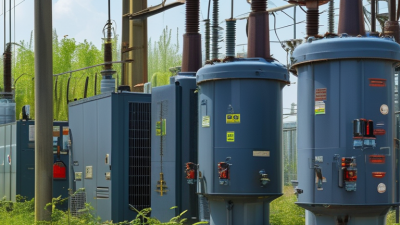

Main Dry Transformer Types for Different Applications

2026 Best Dry Transformer Types for Global Buyers

Main Dry Transformer Types for Different Applications

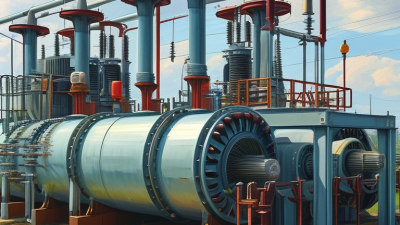
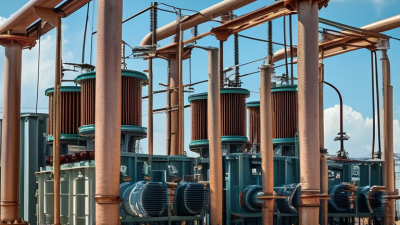
Dry transformers vary by insulation method, cooling path, and installation environment. Choosing the right type starts with the application, not only the purchase price. For clean commercial buildings, open-ventilated transformers can provide practical, economical service. They rely on surrounding air for cooling. Keep them away from heavy dust, chemical vapors, and standing moisture. Field inspections often reveal blocked ventilation as a simple but costly problem.

Cast-resin transformers use solid insulation around the windings. They suit hospitals, high-rise buildings, tunnels, and humid indoor areas. Their sealed windings resist moisture and reduce fire-related concerns. However, resin cannot correct poor airflow or excessive loading. VPI transformers offer another option for industrial plants and utility rooms. Vacuum pressure impregnation strengthens the winding insulation while keeping the design relatively serviceable. They need a cleaner, drier installation space than cast-resin units.

Air-core dry transformers are useful where galvanic isolation or specialized voltage conversion matters. They are common in testing systems, renewable-energy equipment, and certain power-electronic installations. Air movement matters. Very much.

Global buyers should verify voltage, frequency, altitude, ambient temperature, noise limits, and local certification requirements. IEC or IEEE references may apply, but project authorities can impose additional rules. A lower-cost transformer may appear attractive, yet undersized cooling capacity can shorten service life. No selection is perfect. Review loading records, enclosure details, access clearance, and spare-part availability before approving the design.

2026 Best Dry Transformer Types for Global Buyers

Main Dry Transformer Types for Different Applications

Cast-Resin Transformer
Suitable for hospitals, high-rise buildings, tunnels, airports and locations requiring strong fire and moisture resistance.
VPI Transformer
Suitable for industrial plants, commercial buildings, renewable-energy systems and general indoor distribution.
Open-Wound Transformer
Suitable for dry, clean indoor electrical rooms where cost efficiency, ventilation and easy maintenance are priorities.
Amorphous-Core Transformer
Suitable for energy-efficient distribution networks and facilities operating continuously at relatively stable loads.

The chart shows representative engineering capacity bands in kVA commonly used for dry-type transformer designs. Actual ratings depend on voltage, insulation level, cooling method, ambient temperature, enclosure, short-circuit requirements and applicable standards such as IEC 60076-11. These ranges are technical reference bands, not market-share data or universal product limits.

How to Compare Capacity, Insulation, and Cooling Methods

2026 Best Dry Transformer Types for Global Buyers

Choosing a dry transformer starts with the real load, not the catalog rating. Compare capacity in kVA against motor starts, harmonics, future expansion, and daily load swings. A 1,000 kVA unit may fit today but leave little thermal margin tomorrow. Check ambient temperature and installation altitude, too. Thin air can reduce cooling performance.

Insulation deserves equal attention. Cast-resin and impregnated insulation systems respond differently to moisture, dust, and temperature changes. Ask for the insulation class, temperature rise, partial-discharge data, and routine test records. These documents reveal more than a polished specification sheet. During site checks, engineers should inspect cable clearances, enclosure sealing, and ventilation paths. Small gaps matter.

Cooling methods also change capacity and operating cost. AN cooling uses natural air and suits many indoor installations. AF cooling adds fans when temporary overloads or compact rooms require more heat removal. However, fans create noise, maintenance needs, and another failure point.

Compare fan controls and alarm settings carefully. A larger transformer is not always the safer choice. It may run inefficiently at light load and occupy valuable floor space.

Some selection decisions remain uncertain until the buyer confirms actual load profiles, local climate, fire requirements, and service access. That uncertainty deserves a written review, not a rushed purchase.

Global Standards, Safety Requirements, and Installation Factors

Dry transformers are increasingly selected for buildings, renewable facilities, and industrial networks.

The IEA Electricity 2024 report forecasts global electricity demand will grow by about 3.2% annually from 2024 to 2026. That growth increases pressure on safe, efficient transformer installations.

Global buyers should match the transformer design with local standards.

IEC 60076-11 covers dry-type transformer requirements, including insulation, temperature rise, and fire behavior.

IEEE C57.12.01 provides widely used requirements for dry-type units in North America. In the United States, NFPA 70 also addresses grounding, working space, overcurrent protection, and installation access. European projects may require compliance with EN 50588-1 and applicable ecodesign rules.

Standards can overlap, but they are not interchangeable.

Installation conditions matter just as much.

Measure room temperature, altitude, humidity, dust, ventilation, and available clearance before choosing a rating.

A transformer in a dusty factory may need stronger enclosure protection than one in a clean electrical room.

Verify airflow paths and keep cable bends away from cooling openings. Ground the enclosure correctly. Check noise limits near occupied spaces.

Small details decide performance.

A certificate is not a site survey.

Field commissioning records often expose overlooked heat buildup or incorrect torque settings. Even experienced teams miss something.

Independent inspection, thermal scanning, and insulation testing provide useful safeguards before energization.

Selecting the Best Dry Transformer for International Projects

Selecting the best dry transformer for an international project starts with the site, not the catalogue. Cast resin units suit humid, dusty, or high fire-sensitivity locations. VPI transformers can provide efficient cooling in controlled indoor environments. Air-core designs may fit special applications, but they require careful system studies. Climate matters. Frequency matters.

Confirm the destination voltage, frequency, insulation level, phase arrangement, and required capacity before requesting quotations. A 1,000 kVA transformer designed for 60 Hz may not perform correctly on a 50 Hz network. Check ambient temperature, altitude, ventilation, and enclosure protection. At a coastal site, salt air can accelerate contamination around terminals and cooling channels. At a mountain site, reduced air density may require derating or stronger cooling measures.

International buyers should request routine test reports, temperature-rise data, sound levels, loss values, and applicable compliance documents. Ask how technicians will inspect coils, clean ducts, and replace accessories after installation. A supplier’s response should be specific, traceable, and easy to verify. Beware of selecting only by purchase price. Lower losses can reduce operating costs, yet a cheaper unit may need costly modifications overseas. The practical compromise is not always obvious. Project teams sometimes overlook transport dimensions, lifting points, or spare parts. That mistake can delay energization for weeks. Review the drawings with the installer before production begins, because a technically suitable transformer can still fail the project if it cannot enter the building.

2026 Best Dry Transformer Types for Global Buyers - Selecting the Best Dry Transformer for International Projects

Transformer Type Typical Rating Range Common Voltage Class Cooling Method Main Advantages Key Limitations Recommended Applications International Selection Notes
Cast Resin Dry-Type Transformer 50 kVA–20 MVA Up to approximately 36 kV, depending on design AN or AN/AF Strong resistance to moisture, dust, and many industrial contaminants; low fire risk; limited routine maintenance. Usually heavier and more expensive than basic ventilated designs; heat dissipation depends on enclosure airflow. Indoor substations, commercial buildings, hospitals, tunnels, data centers, marine and industrial facilities. Confirm ambient temperature, altitude, enclosure IP rating, noise limits, and local fire-safety requirements.
VPI Dry-Type Transformer
Vacuum Pressure Impregnated
75 kVA–15 MVA Low voltage and medium voltage classes; commonly up to 15–36 kV AN or AN/AF Good mechanical strength, effective thermal performance, and suitability for larger industrial installations. Less sealed against severe moisture than cast resin; enclosure and environmental control are important. Factories, renewable-energy plants, motor loads, utility auxiliary systems, and indoor or protected outdoor substations. Evaluate humidity, condensation, pollution level, service altitude, and the required insulation system temperature class.
Open-Wound Ventilated Transformer 15 kVA–5 MVA Low voltage and selected medium-voltage applications AN or AN/AF Cost-effective, relatively lightweight, and easy to inspect in clean, dry environments. More sensitive to dust, moisture, salt, and chemical contamination; normally requires a clean, ventilated location. Commercial buildings, clean indoor electrical rooms, lighting systems, control power, and general industrial loads. Not the first choice for corrosive, humid, dusty, or exposed outdoor sites unless suitable protection is provided.
Amorphous-Core Dry-Type Transformer Typically 25 kVA–2.5 MVA Most common in low-voltage and medium-voltage distribution systems AN or AN/AF Very low no-load losses, making it suitable for energized distribution systems with long periods of light loading. Higher initial cost and potentially larger dimensions; short-circuit and mechanical design must be verified carefully. Energy-efficient buildings, distribution networks, renewable-energy facilities, and installations with continuous energization. Compare total cost of ownership using local electricity prices, annual load profile, and applicable energy-efficiency regulations.
Three-Phase Dry Transformer 30 kVA–20 MVA Low voltage to medium voltage, commonly up to 36 kV AN or AN/AF Efficient for balanced three-phase loads; generally preferred for industrial and commercial distribution. Less flexible than separate single-phase units when loads are highly unbalanced or access is restricted. Factories, commercial complexes, data centers, utility distribution, HVAC systems, and motor-driven equipment. Specify vector group, impedance, phase sequence, grounding arrangement, tap range, and system frequency before ordering.
Single-Phase Dry Transformer 0.5 kVA–500 kVA Low voltage and selected medium-voltage applications AN or AN/AF Flexible installation, convenient replacement, and practical for small or independently supplied loads. A bank of units may require more space and can have higher installation complexity for three-phase service. Lighting, control circuits, residential or small commercial systems, traction auxiliaries, and special-purpose equipment. Check phase loading, neutral requirements, harmonics, and whether local regulations permit the intended transformer arrangement.
Furnace or Rectifier Duty Dry Transformer 250 kVA–20 MVA and above, subject to project design Low voltage and medium voltage; application-specific AN/AF or engineered forced-air cooling Designed for high inrush currents, cyclic loads, harmonics, or demanding industrial duty cycles. Requires detailed load analysis; harmonics, vibration, thermal cycling, and short-circuit forces can increase cost and size. Arc furnaces, induction heating, rectifier systems, rolling mills, welding equipment, and heavy industrial processes. Provide duty cycle, starting current, harmonic spectrum, load power factor, short-circuit level, and cooling requirements.
Renewable-Energy Application Dry Transformer 100 kVA–10 MVA Typically inverter output voltage to medium voltage AN or AN/AF Suitable for solar, wind, and battery-storage systems where fire safety, compact installation, and harmonic performance matter. Inverter harmonics, frequent load changes, outdoor temperature variation, and limited ventilation require careful engineering. Solar farms, wind-power systems, battery-energy-storage systems, microgrids, and hybrid power plants. Check inverter compatibility, harmonic current, bidirectional power flow, enclosure conditions, altitude, and grid-code requirements.
Global Project Selection Checklist: Confirm rated power, primary and secondary voltage, frequency, insulation level, impedance, vector group, tap range, ambient temperature, installation altitude, enclosure protection, cooling mode, noise limits, fire requirements, energy-efficiency rules, and the applicable product standard before final specification.
Common Reference Standards: IEC 60076-11 for dry-type power transformers, IEEE C57.12.01 for dry-type distribution and power transformers, and IEC 60076-1 for general power-transformer requirements. The governing standard should be selected according to the project location, utility requirements, and contract specifications.