2026 How to Choose the Best Dry Transformer for Your Needs?
Choosing the right dry transformer is crucial for efficiency and reliability in electrical systems. According to the Electrical Transformer Market report by Research and Markets, the global transformer market is projected to grow significantly, driven by the rise of industrial applications and sustainable energy solutions. Dry transformers, in particular, are favored for their safety and environmental benefits. They have no liquid insulation, reducing the risk of leaks and contamination.
As industries prioritize energy efficiency, dry transformers have become standard in commercial and residential applications. The demand for these transformers is clear: they have a lower lifecycle cost and require less maintenance compared to their oil-filled counterparts. However, selecting the best dry transformer can be challenging due to various specifications and technical requirements.
Many users overlook the importance of understanding their unique power needs and operational environment. This often leads to suboptimal choices. To navigate this complexity, one must consider factors such as load demands, climate conditions, and installation requirements. Engaging with professionals can provide additional insights, ensuring the chosen dry transformer aligns perfectly with specific operational goals.
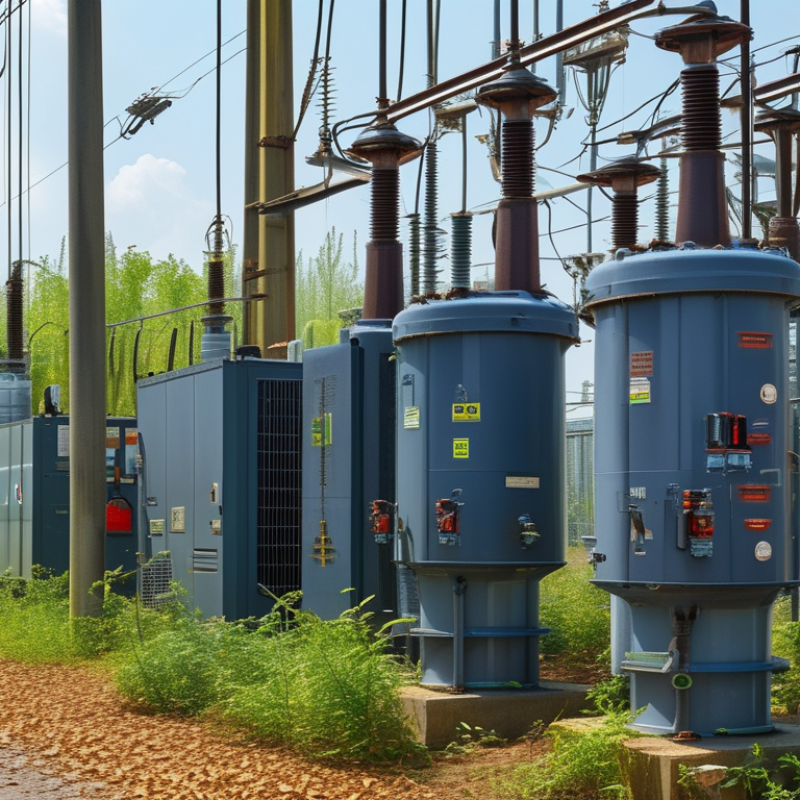
Understanding Dry Transformer Types and Applications
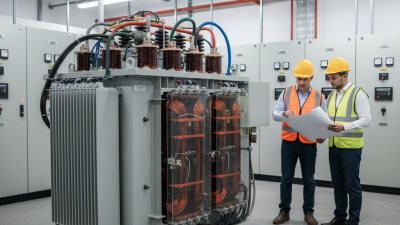
When selecting a dry transformer, it’s vital to understand its types and applications. Generally, dry transformers come in two main types: air-cooled and resin-encapsulated. Air-cooled transformers are suitable for outdoor use, while resin-encapsulated versions offer better protection from moisture and mechanical stress. Each type serves different needs, emphasizing the importance of assessing your environment before making a decision.
Consider the application for which the transformer will be used. Industrial environments often require robust solutions that can handle substantial loads. In contrast, commercial applications might prioritize efficiency and space-saving designs. The choice of winding material, insulation type, and cooling mechanism all play crucial roles in the transformer's performance. It is essential to evaluate these characteristics closely.
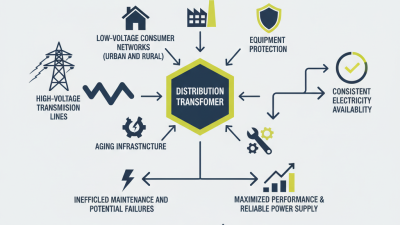
Users sometimes overlook maintenance needs when choosing a transformer. Although dry transformers generally require less upkeep than liquid-filled types, they are not maintenance-free. Regular inspections can prevent unexpected failures. A lack of attention in this area can lead to inefficiencies and increased costs. Understanding these nuances can enhance decision-making and ensure the transformer selected aligns with operational goals.
2026 How to Choose the Best Dry Transformer for Your Needs?
| Transformer Type |
Power Rating (kVA) |
Cooling Method |
Application |
Typical Efficiency (%) |
| Single Phase |
5 - 100 |
Natural Air Cooling |
Residential & Small Businesses |
95 - 98 |
| Three Phase |
50 - 5000 |
Forced Air Cooling |
Industrial & Commercial |
95 - 99 |
| Application-Specific |
10 - 2000 |
Oil Cooling |
Data Centers & Heavy Machinery |
96 - 99 |
| Isolation |
1 - 500 |
Natural Air Cooling |
Sensitive Equipment |
94 - 97 |
Key Specifications to Consider for Dry Transformers
When selecting a dry transformer, key specifications play a critical role. Begin by assessing the voltage rating. This determines how much power the transformer can handle. Ensure that the transformer meets your system's requirements to avoid performance issues. Remember, an improperly rated transformer can lead to inefficiencies and potential failures.
Another vital specification to consider is the power rating, usually measured in kilovolt-amperes (kVA). This rating indicates the transformer's capacity. A transformer with a higher kVA may produce unnecessary costs. Conversely, one that is too small may fail under load. Conduct a thorough load analysis to determine the ideal size for your application.
Pay attention to environmental factors. Dry transformers are often located in various settings, from harsh industrial sites to more controlled environments. Ensure the unit is rated for the specific conditions it will face. Consider thermal management, as overheating can lead to reduced lifespan and reliability.
Inspecting maintenance and serviceability is also crucial. A well-designed transformer should have accessible parts for easy maintenance. Regular checks can prevent small issues from becoming major problems. Ultimately, the right choice hinges on accurate specifications that align with your actual needs.
Evaluating Energy Efficiency in Dry Transformers
When selecting a dry transformer, energy efficiency is paramount. Recent reports show that energy losses in transformers can account for up to 3% of total energy consumption in industrial settings. This may seem minor, but the cumulative effect is substantial. A high-efficiency transformer could save thousands of dollars in energy costs over its lifecycle.
Consider that a dry transformer operating at 98% efficiency will waste less energy than one at 95%. This difference can lead to notable savings, especially in large-scale operations. When evaluating options, look for transformers that meet or exceed the standards set by the Department of Energy. They provide guidelines to help determine the efficiency ratings.
It's essential to reflect on your specific operational needs. While a higher initial investment in an efficient transformer might seem daunting, the long-term benefits often outweigh these costs. Gather data on your energy usage patterns. This insight will inform your decision-making process. Investing in a reliable, efficient transformer not only enhances performance but also supports sustainability efforts. The right choice ultimately leads to a greener future.
Assessing Cost Factors and Budget Constraints
Choosing the right dry transformer involves understanding cost factors and budget constraints. According to industry reports, over 40% of project budgets are allocated to transformation components. This suggests that careful planning is essential.
To assess your budget, start by evaluating both initial and long-term costs. Initial costs include the purchase price and installation fees. Long-term costs might cover maintenance and operational efficiency. Using a lifecycle cost analysis can provide a clearer picture. A well-maintained transformer can reduce energy loss by up to 5%, enhancing overall savings.
When contemplating your purchase, consider specific needs and application types. A general-purpose transformer might not meet special requirements, leading to overspending. Be aware that unforeseen costs can arise, especially if the specifications change mid-project. Engaging with professionals who have hands-on experience can clarify certain complexities while reinforcing your decision-making process.
Cost is not merely a numeric value; it encompasses reliability and functionality. Seek out solutions that balance cost-effectiveness with operational demands. Every decision impacts the overarching budget. Reflecting on your choices and their implications will lead to better long-term investments.
Maintenance and Longevity: Ensuring Transformer Reliability
When considering the maintenance and longevity of dry transformers, focusing on reliability is crucial. A well-maintained transformer can significantly extend its lifespan and ensure consistent performance. Regular inspections help identify potential issues before they escalate. Monitoring operating temperatures and routine cleaning can prevent dust buildup, which often leads to overheating.
Tips: Schedule periodic maintenance checks. Keep a log of operating conditions. A clear history aids in identifying unusual patterns.
Choosing the right environment for your transformer also impacts longevity. Maintain a dry, clean space away from corrosive materials. Check the installation site for proper ventilation. This reduces pressure on the unit and keeps it functioning optimally.
Tips: Assess ambient conditions regularly. Ensure airflow is unobstructed. Regular assessments can catch minor issues early. Taking proactive measures fosters a resilient and efficient transformer system over time.
Transformer Maintenance Impact on Reliability