What is a Dry Transformer and How Does it Work?
Dry transformers are essential components in electrical systems. They operate without liquid insulation, making them environmentally friendly. This design also contributes to their durability and longevity.
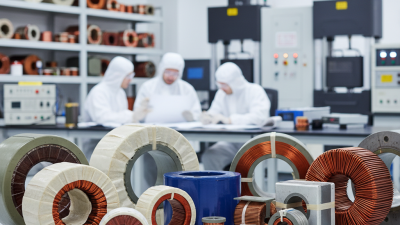
Their construction involves a core made from magnetic materials. The windings are usually made of copper or aluminum. This setup reduces fire hazards and maintenance needs. However, understanding how a dry transformer functions is key to appreciating its benefits.
In practice, dry transformers have limitations. They may not be suitable for high-temperature environments. Furthermore, their efficiency can be affected by ambient conditions. Exploring these aspects enhances our knowledge and helps in making informed choices.
What is a Dry Transformer?
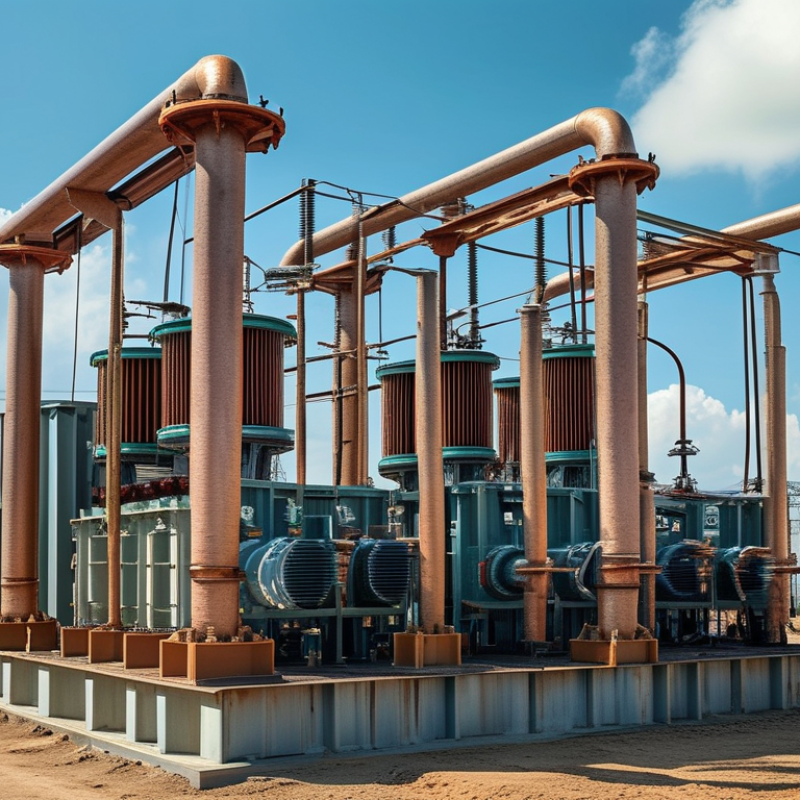
A dry transformer is a crucial component in electrical systems. It functions without liquid insulation. Instead, it relies on air or resin for cooling and insulation. This design makes it safer and more environmentally friendly. They are often found in urban and industrial settings. Because they don’t contain oils, the risk of leakage is minimal. This characteristic is particularly beneficial in locations where safety is paramount.
The construction of dry transformers varies. They can be built using various materials like epoxy resin or fiberglass. The windings and core are wrapped in these materials, ensuring durability and efficiency. However, they may require more space due to their larger size compared to oil-filled models. This can be a drawback in tight locations.
Although dry transformers offer many advantages, they are not perfect. Their cooling capacity is limited compared to oil-based transformers. High ambient temperatures can reduce performance. Also, installation costs may be higher. These factors deserve consideration when planning an electrical system. Understanding the intricacies and applications of dry transformers helps ensure the right choices in electrical distribution.
Key Components of a Dry Transformer
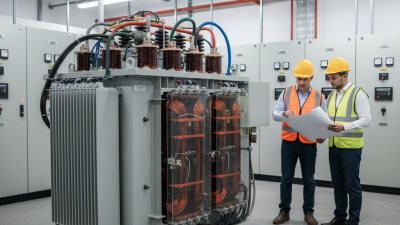
Dry transformers are crucial in electrical power distribution. They are designed for indoor applications where safety and space are a priority. Key components play a significant role in their efficiency and reliability.
The core of a dry transformer typically consists of high-quality, non-metallic materials. These materials help prevent moisture absorption and increase insulation resistance. Insulators made from resin or epoxy provide electrical insulation. This is vital for operations in urban environments where space is limited. According to industry reports, about 50% of transformer failures result from insulation breakdown. This underscores the importance of the insulator's quality.
Windings in dry transformers are usually crafted from copper or aluminum. They can handle high temperatures better than conventional transformers. Some studies indicate that dry transformers can operate at temperatures up to 120°C. Their construction allows for better heat dissipation. Regular maintenance checks might still reveal overlooked wear and tear, which can lead to malfunctions. Understanding the critical components can enhance the lifespan and performance of dry transformers.
Dry Transformer Efficiency Comparison
This bar chart displays the efficiency percentage of various dry transformer models. The data indicates that Transformer A has the highest efficiency, followed by Transformer B, Transformer D, and Transformer C.
How a Dry Transformer Operates
A dry transformer operates without oil or liquid cooling. This design makes it safer for indoor applications. Dry transformers are typically cooled by air. The winding and core are placed in a ventilated enclosure. This allows heat to dissipate efficiently.
The construction of a dry transformer includes insulation materials with high dielectric strength. These materials ensure that electrical insulation remains intact. The transformer’s core is often made of silicon steel. This helps in minimizing energy losses.
In operation, the transformer converts high voltage to low voltage or vice versa. Electromagnetic induction is the core principle. When voltage is applied, magnetic fields are generated. These fields transfer energy between the primary and secondary windings. It’s crucial to monitor the temperature closely. Overheating can lead to failures and shorten the transformer's life. Regular maintenance ensures optimal performance.
Advantages of Using Dry Transformers
Dry transformers offer several advantages that make them a reliable choice for various applications. One key benefit is their enhanced safety. Unlike oil-filled transformers, dry transformers do not pose a risk of oil leaks or environmental contamination. This feature makes them particularly suitable for urban areas or places with strict environmental regulations. Lower maintenance requirements are another important advantage. Dry transformers generally require less upkeep than their liquid-filled counterparts, resulting in cost savings over time.
Moreover, their compact design allows for easier installation in confined spaces. Many industrial facilities prefer dry transformers due to their compatibility with both indoor and outdoor settings. They can be mounted on walls or floors without worrying about hazardous spills. Additionally, dry transformers operate at lower temperatures, which can lead to increased efficiency and longevity. This thermal stability is vital in high-demand environments.
However, it’s worth noting that dry transformers may have some limitations. They typically have a lower power capacity compared to oil-filled units. This means they might not be suitable for all large-scale applications. Understanding these nuances is essential for making informed decisions about transformer selection.
Applications of Dry Transformers in Industry
Dry transformers are widely used across various industries due to their efficiency and safety features. They operate without liquid insulation, making them more environmentally friendly. Their solid insulation allows for operation in harsh conditions. These transformers are commonly found in commercial buildings, data centers, and manufacturing facilities. They help manage and distribute electrical power effectively.
In industrial applications, dry transformers serve crucial roles. They provide voltage regulation and ensure optimal energy use. Especially in factories, they support heavy machinery and equipment. The reduced fire risk is another significant advantage. In addition to safety, these transformers require less maintenance, which can lower operational costs.
Yet, dry transformers are not without challenges. Their cooling systems need careful design to avoid overheating. Sometimes, these transformers may not handle overloads well, leading to efficiency losses. Understanding these limitations is key for industries. It ensures that they can maximize performance while addressing potential vulnerabilities.