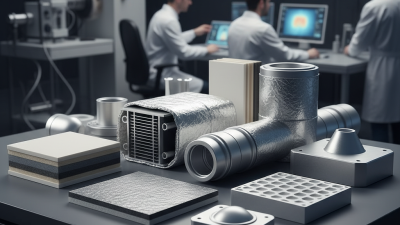
Global sourcing in 2026 demands more than comparing unit prices. Insulation Parts protect conductors, terminals, busbars, and sensitive assemblies from heat, moisture, vibration, and electrical breakdown. The right choice can improve equipment life and reduce costly maintenance.
This guide examines practical options, including heat-shrink sleeves, insulating barriers, terminal covers, mica sheets, ceramic supports, epoxy components, and molded polymer parts. Each material behaves differently. A silicone sleeve may handle temperature changes well, while a rigid thermoplastic barrier may provide better dimensional stability. Small details matter, such as wall thickness, creepage distance, surface finish, and tolerance control.
Real sourcing decisions should begin with the application. Check voltage, operating temperature, humidity, mechanical stress, and expected service life. Request current datasheets, test reports, material declarations, and batch traceability from suppliers. Independent testing can also confirm dielectric strength, flame behavior, and thermal performance. Standards such as IEC or UL may guide evaluation, but regional requirements still need careful verification.
Price alone is a weak filter.
Supplier audits reveal important differences. Some factories maintain clean molding areas and calibrated inspection tools. Others provide attractive samples but inconsistent production batches. That gap deserves attention. I have seen specifications appear complete while missing aging data or clear resin grades. This guide therefore compares performance, documentation, customization, lead time, and sourcing risk. “Best” is not universal. It depends on the equipment, market, and evidence available. Some recommendations may change as materials, standards, and supplier capabilities evolve. Careful review remains necessary.
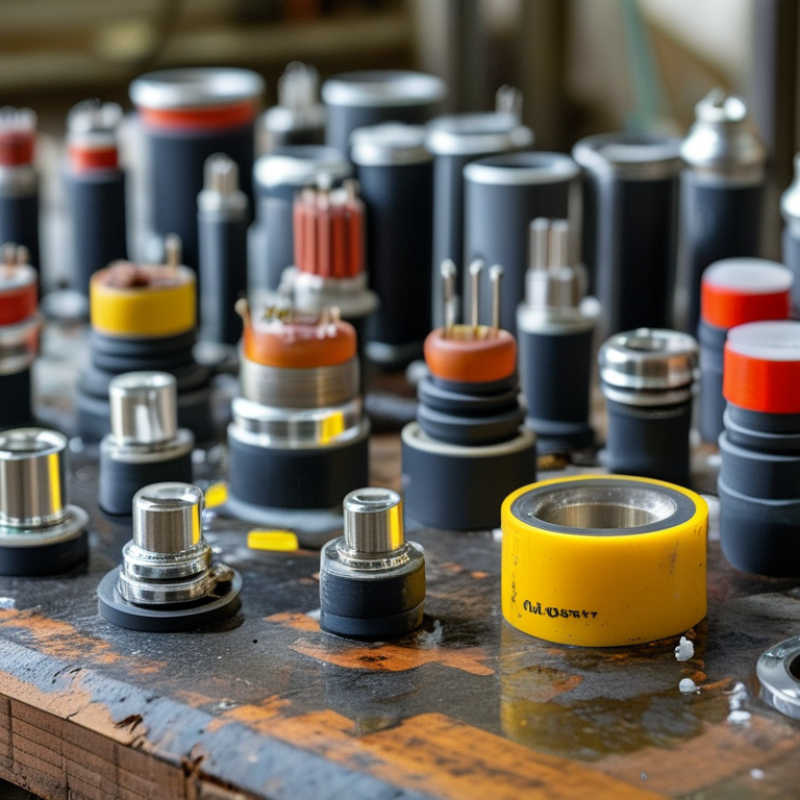
Insulation parts are engineered components that control heat, electricity, vibration, or moisture. Common examples include sleeves, barriers, spacers, bushings, gaskets, and molded supports. Their purpose is practical: prevent short circuits, reduce heat transfer, and protect nearby materials from damage.
Material selection depends on the working environment. Epoxy and molded polymers often support electrical assemblies. Silicone tolerates heat and movement. Mica and aramid paper suit demanding thermal applications. Ceramic parts provide strong dielectric performance at high temperatures, but they may become brittle under impact. Small details matter.
In power equipment, insulation parts separate conductors inside transformers, switchgear, and motors. They also protect terminals and cable exits. In battery systems, barriers and films help manage electrical contact and thermal risk. HVAC units use insulating gaskets and spacers around compressors, wiring, and pipe connections.
Global sourcing requires more than comparing unit prices. Buyers should verify dielectric strength, thermal class, flame behavior, moisture resistance, and dimensional tolerance. Test reports should match the actual production material. Lot traceability is valuable when a field failure appears months later.
I have seen specifications copied without checking real operating temperatures. That mistake is easy to repeat. It can also make a good-looking part unreliable. A careful review should include drawings, samples, inspection records, and packaging conditions. Some suppliers provide excellent samples but inconsistent mass production. That gap deserves attention.
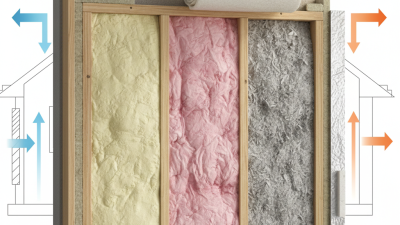
Global insulation sourcing should start with measured performance, not attractive catalog claims. Mineral wool offers strong fire resistance and sound control. EPS and XPS provide lightweight thermal protection, but their moisture behavior differs. PIR delivers low thermal conductivity in thin assemblies. Cellulose suits projects that value recycled content and careful air sealing. No material wins every climate.
Request thermal conductivity data at declared temperatures, not only marketing values. ASTM C177, ASTM C518, EN 12667, and ISO 8301 support comparable laboratory testing. Check the declared lambda value, thickness tolerance, and aging method. For fire performance, review ASTM E84 or EN 13501-1 classifications. Local building codes still control final acceptance.
For exterior systems, review water absorption, vapor resistance, and freeze-thaw stability. For structural applications, check compressive strength and dimensional stability after heat exposure. Ask suppliers for batch traceability, safety data, technical sheets, and independent test reports.
I have seen low-cost panels fail because edges were damaged during shipping. Packaging is part of performance. A perfect spreadsheet can still hide inconsistent production. Recheck samples before approving a full container. Also compare recycled content, indoor emissions, and end-of-life handling against the destination market’s requirements.
2026 Best Insulation Parts for Global Sourcing?
When comparing insulation parts, quality starts with stable electrical and mechanical performance. Ask suppliers for dielectric strength, temperature ratings, moisture resistance, and dimensional tolerances. Do not trust a clean product photo. Request test reports, material data, and samples from the same production batch.
Samples reveal useful details. Check edges for burrs, surfaces for cracks, and fit inside the intended assembly. During evaluation, expose parts to heat cycles, vibration, and humidity. A component may pass a short bench test but fail after repeated expansion and contraction. That failure is expensive.
Cost needs a wider view. Compare unit price, tooling, packaging, inspection, shipping, and expected replacement rates. The cheapest quotation can hide inconsistent thickness or weak protective packing. Durability also depends on storage conditions and installation methods. Ask how long materials remain stable in normal warehouse environments.
My comparison sheets are not perfect. Supplier data can be incomplete, and laboratory results may not match field use. Keep an independent inspection plan. Record batch numbers, test dates, and acceptance limits. A small price increase may be reasonable when it reduces downtime and rework. However, higher cost does not automatically prove better performance. Check evidence, question assumptions, and repeat critical tests before placing a large order.
| Insulation Material / Part Type | Typical Thermal Conductivity (W/m·K) |
Typical Service Temperature (°C) |
Moisture Resistance | Typical Fire Classification (EN 13501-1) |
Relative Material Cost (Index) |
Expected Service Life (Years) |
Quality and Sourcing Considerations | Overall Fit for Global Sourcing |
|---|---|---|---|---|---|---|---|---|
| Polyisocyanurate (PIR) rigid board | 0.022–0.028 | -50 to +120 | Low | Usually B-s1,d0 to F depending on facing and assembly |
★★★★☆ 4.0 / 5 |
40–60+ | High thermal efficiency per unit thickness and good dimensional stability. Check facer compatibility, joint detailing, flame-spread test results, and compression strength. | Excellent |
| Extruded polystyrene (XPS) board | 0.029–0.036 | -50 to +75 | Very low | Usually E product and assembly dependent |
★★★☆☆ 3.0 / 5 |
30–50+ | Strong moisture resistance and compressive performance for below-grade and inverted-roof applications. Verify water absorption, edge profile, recycled content, and dimensional tolerances. | Excellent |
| Expanded polystyrene (EPS) board | 0.032–0.038 | -50 to +75 | Moderate | Usually E varies with density and facing |
★★☆☆☆ 2.0 / 5 |
30–50+ | Generally economical, lightweight, and widely available. Compare density, bead fusion, compressive strength, dimensional stability, flame retardancy, and packaging volume. | Very Good |
| Mineral wool rigid or semi-rigid board | 0.034–0.045 | Up to approximately +650 | Low when properly faced fibrous structure can retain water |
Usually A1 or A2-s1,d0 | ★★★☆☆ 3.0 / 5 |
40–60+ | Excellent fire resistance, acoustic performance, and dimensional stability. Inspect density, fiber orientation, binder content, water-repellent treatment, and edge integrity. | Excellent |
| Glass wool blanket or batt | 0.032–0.044 | Up to approximately +250 to +450 | Low when dry and protected | Usually A1 or A2-s1,d0 | ★★☆☆☆ 2.0 / 5 |
30–50+ | Cost-effective for wall, roof, HVAC, and acoustic applications. Compare declared thermal resistance, recovery after compression, facing quality, formaldehyde emissions, and roll density. | Very Good |
| Flexible elastomeric foam | 0.033–0.040 | -50 to +110 | Very low closed-cell water vapor permeability | Often B-s2,d0 formulation dependent |
★★★☆☆ 3.0 / 5 |
20–30+ | Well suited to pipes, ducts, refrigeration, and condensation control. Check vapor permeability, dimensional recovery, adhesive compatibility, UV exposure, ozone resistance, and joint sealing. | Very Good |
| Calcium silicate pipe or equipment insulation | 0.050–0.065 | Up to approximately +650 | Absorptive; requires weather protection | Usually A1 | ★★★☆☆ 3.0 / 5 |
30–50+ | Rigid, non-combustible, and suitable for high-temperature industrial systems. Evaluate wet and dry compressive strength, fit-up tolerance, breakage during transport, and jacketing requirements. | Very Good |
| Aerogel blanket | 0.013–0.018 | Approximately -200 to +650 | Hydrophobic grades available | Often A2-s1,d0 or better product dependent |
★★★★★ 5.0 / 5 |
20–40+ | Provides very high thermal performance in limited space and performs across a wide temperature range. Confirm thickness recovery, dust control, tensile strength, installation handling, and total installed cost. | Specialized |
For global sourcing in 2026, insulation parts require more than attractive pricing. Buyers should evaluate dielectric strength, thermal class, flame resistance, dimensional stability, and aging performance. The correct specification depends on voltage, operating temperature, moisture exposure, and installation conditions. Small tolerance changes can affect assembly quality.
Paperwork is not performance. A supplier should provide current certificates, laboratory test reports, safety data, and a clear certificate of conformity. ISO 9001 supports process control, while ISO 14001 indicates structured environmental management. Depending on the application and destination market, IEC-based testing, RoHS declarations, REACH information, and fire-performance evidence may also apply. These documents must match the exact material, factory, and production site. Generic files create risk.
Supplier evaluation should include a remote document review and, when practical, an on-site audit. Check incoming material records, mold maintenance, batch labeling, calibration logs, and final inspection procedures. Request samples from normal production, not specially selected pieces. Samples can mislead. Traceability should connect each shipment to raw materials, test results, and operators. Packaging also matters; moisture barriers and protective separators can prevent damage before installation.
A reliable supplier welcomes technical questions and reports process changes before shipment. Still, no audit is perfect. A certificate may expire, and a strong first batch may hide unstable production. Buyers should schedule periodic testing, define corrective-action deadlines, and keep an approved alternative source. This approach takes more time, but it exposes weaknesses before they become field failures.
2026 Best Insulation Parts for Global Sourcing?
Procurement Strategies for Reliable International Insulation Sourcing
International insulation sourcing should begin with application data, not a catalog image. Specify operating temperature, moisture exposure, fire performance, thickness tolerance, and installation method. For pipework, request samples with measured inner diameter and compression recovery. For walls or equipment, compare boards, blankets, vapor barriers, and compatible fasteners as one system. Small gaps around joints can erase impressive laboratory results. Details matter.
Qualify suppliers through factory audits, production records, and batch traceability. Review test reports against standards accepted in the destination market. Confirm raw material consistency, packaging strength, lead times, and replacement procedures before placing a large order. A low unit price can become expensive after port delays, damaged cartons, or rejected inspections. Ask for pre-production samples. Keep written approval records.
Use staged purchasing when performance data remains limited. A pilot shipment can reveal compression damage, moisture exposure, or unclear installation instructions. Independent inspection before shipment may verify dimensions, labeling, and carton counts. Specify acceptable tolerances in the contract. Also confirm customs documents and local compliance requirements early. The first shipment may still disappoint. That is useful evidence, not failure. An earlier sourcing decision might look efficient but ignore humid storage conditions. I would revise the specification, not simply blame the supplier. Reliable sourcing depends on measured feedback, clear communication, and the willingness to question an attractive quotation.
Typical thermal conductivity benchmarks for commonly sourced insulation materials. Lower values generally indicate better thermal insulation performance, while final selection should also consider fire safety, moisture resistance, density, certifications, and landed cost.
Values represent typical published midpoints in W/m·K at standard test conditions; actual performance varies by product specification, thickness, temperature, and regional standards.