China Top Insulation Parts for Efficient Thermal Management Solutions?
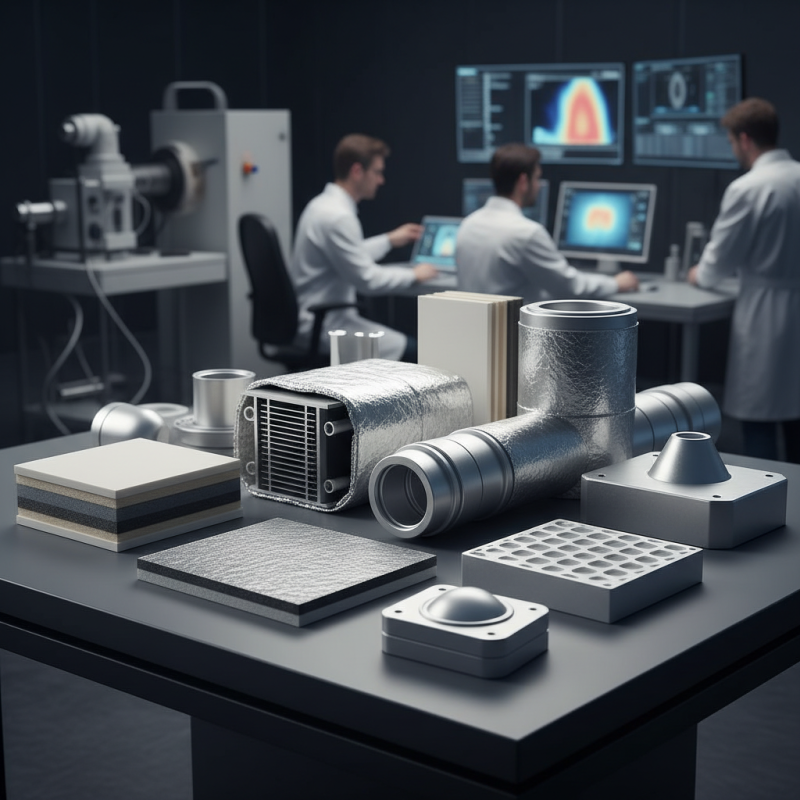
In recent years, the demand for efficient thermal management solutions has surged. This trend highlights the importance of high-quality insulation parts in various industries. These components play a crucial role in maintaining energy efficiency and enhancing performance.
China has emerged as a leader in producing insulation parts. Manufacturers focus on innovative materials and constructions, addressing diverse applications. However, some products may not meet rigorous quality standards, raising concerns about reliability. Clients must strategize to ensure they select trusted suppliers.
While advancements in insulation technology promise improved thermal management, challenges remain. Continuous research and development are essential. Understanding the nuances of insulation parts is vital for achieving optimal outcomes in any thermal management system. Such insights can significantly impact energy savings and operational efficiency.
Overview of Thermal Management Solutions in China
Thermal management solutions are crucial for various industries in China. With the rising demand for energy efficiency, companies are focusing on innovative insulation parts. According to a recent market report, the thermal management market in China is expected to grow at a CAGR of 8% over the next five years. This growth is driven by advancements in technology and increasing regulations on energy efficiency.
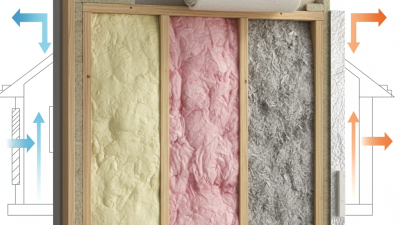
Effective insulation materials can significantly enhance thermal performance. For instance, aerogel and polyurethane foams are widely used for their excellent thermal resistance. As energy costs rise, understanding the right materials is vital. A significant drawback often overlooked is the trade-off between cost and efficiency. Many companies opt for cheaper materials that may not perform well in the long term. This can lead to frequent replacements and increased operational costs.
Tips:
1. Evaluate insulation material performance based on specific applications.
2. Consider the long-term costs over initial savings when selecting materials.
The focus on thermal management must also consider environmental impacts. Sustainable practices are becoming more important for companies looking to reduce their carbon footprint. Despite the advancements, there’s still much room for improvement. Companies need to invest in research to develop more efficient and eco-friendly materials.
Key Insulation Materials Used in Thermal Management
Thermal management plays a crucial role in various industries, including electronics and automotive sectors. Efficient insulation materials are essential for effective heat management. Key insulation materials used in thermal management include aerogels, fiberglass, and polyurethane. According to a recent market analysis, the global thermal insulation market is projected to reach $76 billion by 2025, growing at a CAGR of 6.9%.
Aerogels have gained popularity due to their lightweight and high thermal resistance properties. They are effective at reducing heat transfer, making them ideal for applications in space technology and oil pipelines. However, the fragility of aerogels poses a challenge in practical applications. While fiberglass has been a staple for decades, its environmental impact raises concerns. Traditional fiberglass production emits greenhouse gases, urging the need for more sustainable alternatives.
Polyurethane foams are also widely used due to their versatility and insulating properties. They offer decent thermal performance, but their flammability can be an issue, especially in construction applications. These aspects highlight the ongoing need for improvement in safety and environmental impact. The development of new, eco-friendly insulation materials is vital for future advancements in thermal management solutions.
Advantages of Advanced Insulation Components
Efficient thermal management is crucial in various industries. Advanced insulation components play a vital role in achieving this objective. These components help minimize heat loss and maintain optimal temperatures in systems. They offer several advantages that enhance energy efficiency.
One significant advantage is improved energy conservation. Insulation materials can dramatically reduce the energy required for heating or cooling. This translates to lower energy bills and reduced carbon footprints. Another facet is their ability to extend the lifespan of equipment. Well-insulated systems experience less thermal stress, leading to fewer breakdowns and repairs.
However, selecting the right insulation parts can be challenging. It requires expertise to navigate options and assess material properties. The effectiveness of insulation can vary based on environment and application. Experts recommend thorough testing and evaluation before implementation. Trial and error approaches can sometimes lead to wasted resources. Understanding these complexities is essential for achieving long-term thermal management success.
China's Top Insulation Materials for Efficient Thermal Management
Applications of Insulation Parts in Various Industries
In various industries, thermal management is critical for efficiency and safety. Insulation parts play a vital role in this aspect, particularly in energy-intensive sectors like automotive and aerospace. According to a report by Markets and Markets, the global thermal insulation market is projected to reach $71.9 billion by 2025. This growth is driven by the increasing demand for energy conservation and sustainability.
Insulation materials help maintain optimal temperatures in equipment and processes. For example, in the automotive sector, effective insulation parts reduce heat loss, improving engine efficiency. Similarly, in the aerospace industry, thermal insulation is crucial for protecting sensitive components from extreme temperature fluctuations. Failures can lead to costly downtime and safety hazards.
Tips: When selecting insulation parts, consider the specific requirements of your application. Material properties, thermal conductivity, and durability are essential factors. Regularly review performance metrics to identify areas for improvement. Efficient thermal management not only enhances performance but also supports environmental goals.
China Top Insulation Parts for Efficient Thermal Management Solutions
| Industry |
Insulation Type |
Applications |
Key Benefits |
| Construction |
Foam Insulation |
Insulating walls, roofing, and floors |
Energy efficiency, soundproofing |
| Automotive |
Thermal Pads |
Engine insulation, noise reduction |
Enhanced performance, comfort |
| Aerospace |
Ceramic Insulation |
Heat shielding for engine components |
High-temperature resistance |
| Electronics |
Insulating Sleeves |
Protection for wires and components |
Electrical insulation, heat resistance |
| Energy |
Mineral Wool |
Insulating pipes and boilers |
Fire resistance, thermal efficiency |
Future Trends in China's Thermal Management Solutions
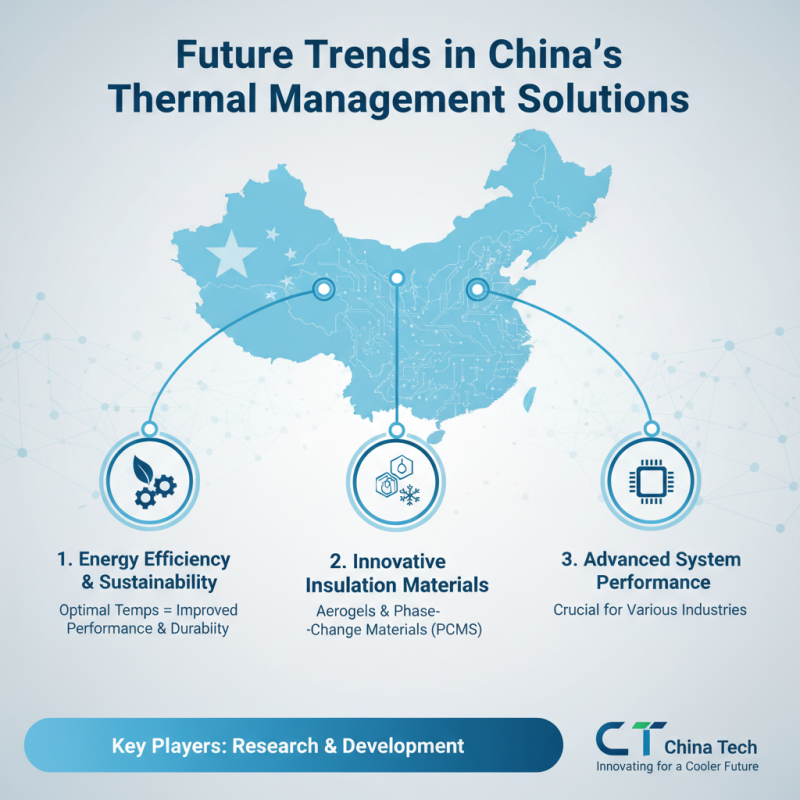
China is experiencing rapid advancements in thermal management solutions. As industries become more energy-efficient, innovative insulation materials play a crucial role. These materials help maintain optimal temperatures, thus improving system performance and durability. Key players are exploring various options, including aerogels and phase change materials, to enhance thermal insulation properties.
Emerging trends indicate a shift toward sustainable materials. Companies are investing in biodegradable and recyclable options for insulation components. However, these materials often come with performance trade-offs. Manufacturers face challenges in balancing sustainability with efficiency. The industry needs to address these fundamental issues to meet evolving market demands.
In the quest for improved thermal management, the focus on smart technologies is gaining traction. Smart insulation systems can adapt to varying temperatures, optimizing efficiency in real time. Yet, these solutions are still in developmental stages. There is a pressing need for rigorous testing and validation to ensure reliability. This evolution highlights the importance of continuous innovation in an industry poised for significant growth.