2026 Top Current Transformer Trends for Global Buyers?
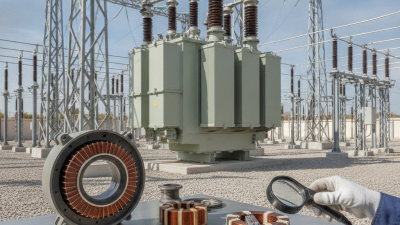
In the evolving landscape of electrical engineering, understanding the trends in Current Transformer technology is crucial. Laura Sanchez, a renowned expert in the field and author of several industry papers, states, “Current Transformers are the backbone of modern metering and protection systems.” As global buyers, it’s essential to recognize the significance of these devices.
The demand for advanced Current Transformers is on the rise. Innovative designs focus on efficiency and accuracy, which are vital for both metering and protection. Emerging technologies like digital Current Transformers promise reduced losses and improved reliability. However, industries must carefully evaluate products. Not all current solutions meet rigorous standards.
Market trends indicate a shift towards environmentally friendly materials in Current Transformer manufacturing. However, companies face challenges in balancing cost and sustainability. Decision-makers need to remain vigilant. A lack of careful assessment can lead to unreliable systems. The future holds exciting possibilities, but potential buyers must approach these innovations with both enthusiasm and caution.

Current Transformer Market Overview and Growth Projections for 2026
The current transformer market is evolving rapidly, with projections indicating significant growth by 2026. Increasing demand for electricity and advancements in smart grid technologies are key drivers. These transformers play a critical role in measuring electrical currents and ensuring system efficiency. As global energy consumption rises, the need for reliable current transformers will likely increase.
Recent trends show a shift towards compact, lightweight designs that enhance installation flexibility. Manufacturers are focusing on eco-friendly materials and energy-efficient technologies. This shift aligns with global sustainability goals. Additionally, the rise of renewable energy sources influences the market dynamics. Integrating current transformers into systems like solar and wind energy contributes to more effective energy management.
However, challenges remain. The market faces issues related to quality and standardization. Not all products meet rigorous safety and performance standards. This inconsistency raises concerns for buyers. Moreover, competition among varying suppliers can complicate choices for consumers. As the market expands, addressing these challenges is crucial for maintaining trust and reliability in current transformer technology.
Key Technological Advances in Current Transformer Design and Applications
The current transformer industry is undergoing significant changes. Advances in design are ensuring better accuracy and efficiency. These devices now utilize improved core materials. This enhances performance and reduces energy loss. Engineers are focused on miniaturization. Smaller devices can fit into tighter spaces. This trend is essential for modern compact electrical systems.
Innovations also include digital technology integration. Smart current transformers collect data in real-time. This capability allows for better monitoring and analysis. Users can access valuable insights to manage energy consumption. Remote monitoring functions make maintenance easier. However, there is a growing concern over cybersecurity risks. Protecting data is critical as technologies evolve.
Sustainability remains a priority as well. Manufacturers are exploring eco-friendly materials. Reducing waste in production processes is vital. Current transformer designs are becoming more modular. This flexibility can lead to cost savings. Yet, companies must balance innovation with reliability. Testing and validation of new designs can take time. Stakeholders should remain vigilant as trends continue to shift.
Impact of Renewable Energy on Current Transformer Demand and Usage Trends
The shift towards renewable energy sources significantly influences current transformer demand.
As solar, wind, and hydropower expand, the need for efficient power measurement increases.
Current transformers play a vital role in monitoring energy production and consumption.
Their accuracy directly impacts grid stability.
For project managers, consider the integration of smart technology within current transformers.
This adaptation allows for real-time data collection and analysis. Ensure that your systems can handle variable energy production levels.
The learning curve may be steep, but it’s essential for maximizing efficiency.
In emerging markets, the demand for robust current transformers is rising.
However, the availability of skilled technicians to install and maintain these systems can be a challenge.
Investing in workforce training programs can reduce these challenges over time.
It’s crucial to adapt to the evolving landscape of renewable energy while ensuring a reliable supply chain for quality transformers.
Regulatory Changes Influencing the Current Transformer Industry Landscape
Regulatory changes are becoming a key influence in the current transformer industry. These changes can shape market strategies. Countries are implementing stricter standards for energy efficiency and safety. Compliance with these regulations is crucial for manufacturers. Failure to adapt could result in penalties and loss of market share.
The growing emphasis on environmental responsibility drives innovation. Companies must now focus on sustainable practices. Utilizing materials that minimize environmental impact is essential. Regulatory measures often encourage the development of smarter, more efficient transformers. However, these innovations come with challenges. Companies may struggle to balance cost and compliance.
Stakeholders need to stay updated on evolving regulations. This requires ongoing research and agility in operations. Failing to keep pace with regulatory shifts can be detrimental. Some companies may lag, impacting their long-term viability. Adapting to regulatory landscapes is complex but necessary for success in the current transformer market.
2026 Current Transformer Trends: Market Analysis
This bar chart illustrates the impact of key trends shaping the current transformer market in 2026. As regulatory compliance and advancements in smart grids emerge as the leading influences, the integration of renewable energy sources and digital transformation are also essential factors contributing to market dynamics.
Competitive Analysis of Major Players in the Global Current Transformer Market
The global current transformer market is witnessing significant evolution. Major players are focusing on innovation to meet emerging demands. Competitive analysis reveals diverse strategies among these players, often varying in technological advancements and application focus. Companies are leveraging advanced materials to improve performance and reliability. This trend reflects a broader shift towards sustainability in the energy sector.
Some players are investing heavily in research and development. This step enhances their product offerings but raises questions about cost-effectiveness. Are these investments truly beneficial? Certain companies may struggle to balance innovation and affordability. The reliance on cutting-edge technology may alienate some traditional buyers who prefer proven solutions.
Market dynamics also highlight the importance of customer relationships. Engaging with customers can provide valuable insights. However, not all players excel in this area. Some companies risk losing touch with their client base. As the market continues to evolve, a focus on customer engagement might be as crucial as technology itself. The competitive landscape is ever-changing, creating both opportunities and challenges for current transformer manufacturers.