Top Factors Influencing Current Transformer Efficiency and Performance?
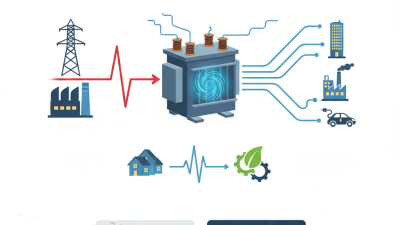
Current Transformers play a crucial role in power systems, impacting efficiency and performance significantly. According to John Smith, a leading expert in the field, "The reliability of your Current Transformer directly affects system performance." Factors influencing this reliability are essential to understand.
Efficiency can be compromised by various elements, such as design flaws or incorrect installations. Additionally, environmental conditions often have unanticipated effects on performance. Regular maintenance remains a critical aspect, yet many overlook it. As John Smith emphasizes, "Neglecting these factors can lead to suboptimal operation."
Awareness of how materials and manufacturing processes affect Current Transformer efficiency is vital. Advanced technologies are emerging, but not all are widely adopted. Hence, the industry must address gaps in knowledge and application. Understanding these factors is essential for energy professionals aiming to maximize system reliability and performance.
Key Design Features Affecting Current Transformer Efficiency
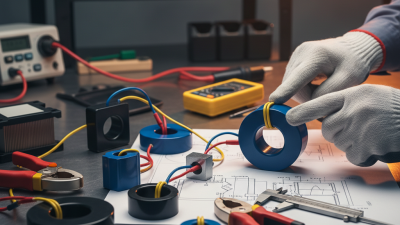
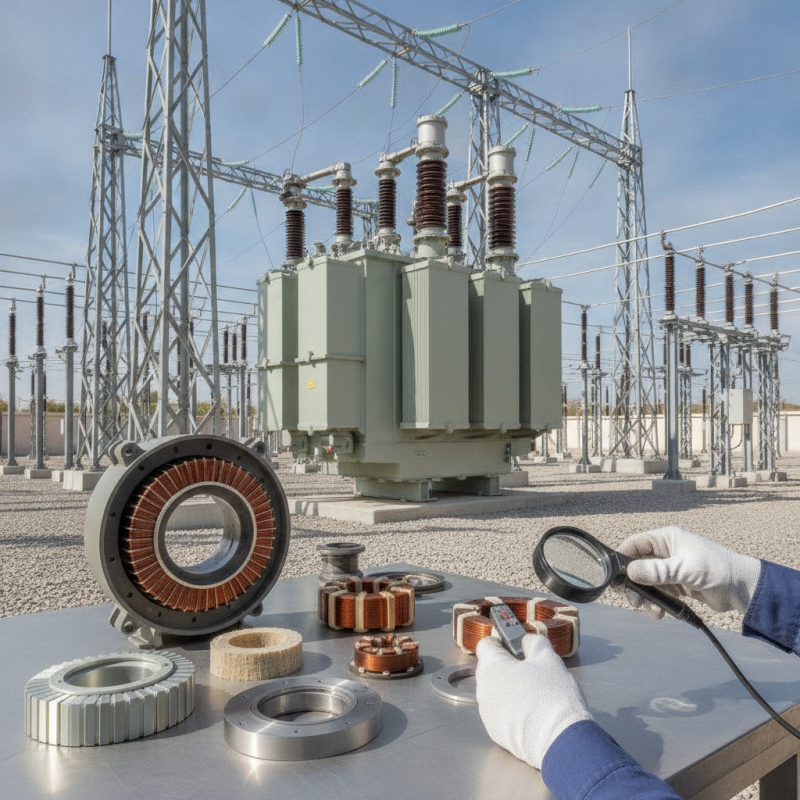
The efficiency and performance of current transformers (CTs) hinge on various design features. One significant aspect is the core material. High-quality magnetic materials can minimize energy losses, boosting overall efficiency. Laminated cores are preferred for their ability to reduce eddy currents. Choosing the right material makes a difference in both performance and reliability.
Another crucial design feature is the winding configuration. Proper winding techniques impact the transformer's accuracy. A balanced winding reduces distortion, ensuring the CT delivers precise measurements. This is vital for applications requiring accurate monitoring of electrical systems.
Tips: Always consider the temperature range and environmental factors during design. Ensure the CT is rated for its intended application. Regular testing of transformers can help identify inefficiencies and areas for improvement. Reflecting on past designs may reveal opportunities for enhancement. Embrace innovation while maintaining reliability, as evolving technology can improve current transformer efficiency.
Top Factors Influencing Current Transformer Efficiency and Performance
Materials Used in Current Transformers and Their Impact on Performance
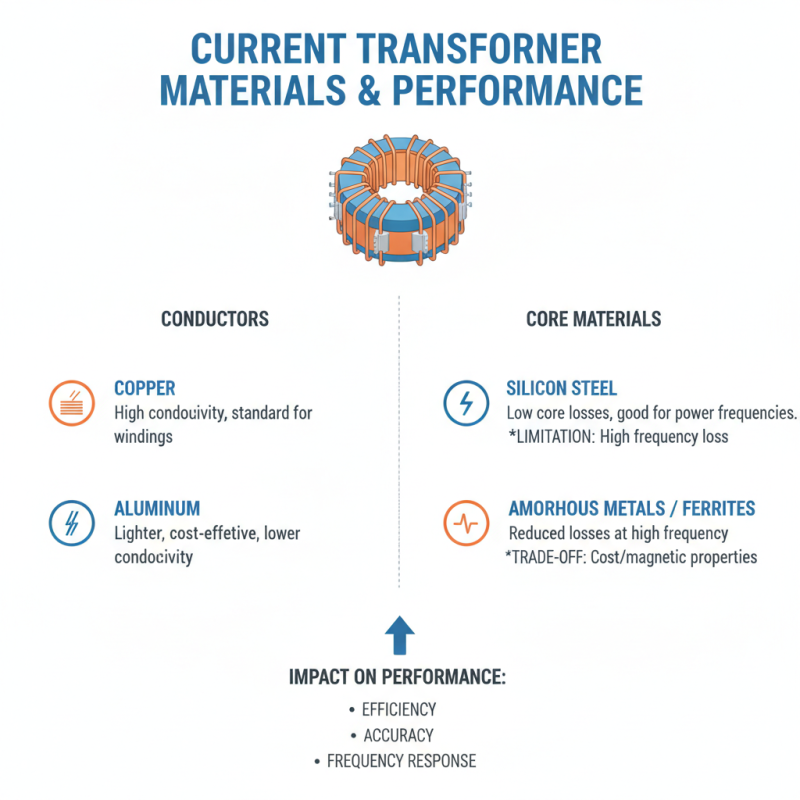
Current transformers (CTs) are essential in electrical metering and protection systems. The materials chosen for these devices greatly influence their efficiency. Copper and aluminum are common conductors, but the core material plays a crucial role. Silicon steel offers low losses but may struggle under high-frequency conditions.
Another key material is insulation. High-quality insulation minimizes energy losses and enhances durability. Unfortunately, some cheaper insulations might not withstand extreme conditions, leading to failures. Users should consider the long-term implications of materials on performance.
In addition, magnetic properties of the core materials impact overall transformer efficacy. A core with high permeability increases the magnetic flux, thus improving performance. However, balancing cost and performance is challenging. Some materials may induce eddy currents, affecting this balance. Thus, careful selection is necessary to ensure reliability and efficiency.
Environmental Conditions Influencing Current Transformer Efficiency
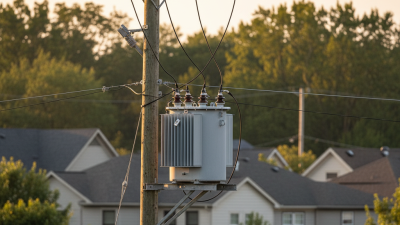
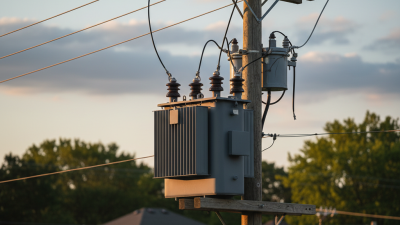
Environmental conditions play a crucial role in the efficiency of current transformers. Temperature fluctuations can significantly impact their performance. High temperatures may lead to insulation degradation, while extreme cold can affect electrical resistance. These factors combine to create a challenging environment, where optimal operation becomes difficult.
Humidity is another vital aspect. Increased moisture can cause insulation breakdown, leading to short circuits. On the other hand, dry conditions may contribute to static electricity, which can also impair functionality. These environmental intricacies emphasize the need for proper design and materials that can withstand varying conditions.
Wind and dust can further complicate matters. Strong winds may introduce mechanical stress, while dust accumulation can block ventilation, affecting cooling. Each element introduces potential failures that engineers must consider. The interaction between these factors often requires a careful balance, highlighting the complexities in ensuring reliable transformer performance.
Measurement Techniques for Evaluating Transformer Performance
Measuring transformer performance accurately is critical for ensuring efficiency. Various techniques exist to evaluate a transformer's performance. One common method is the use of circuit testing. This involves analyzing both the primary and secondary circuits under different load conditions.
Another effective technique is monitoring temperature. As transformers operate, they generate heat, impacting performance. Infrared imaging can provide insights into temperature distribution. It helps identify hotspots that could lead to failure. Regular temperature checks can enhance reliability.
Vibration analysis also plays a role. It assesses the mechanical condition of the transformer. Excessive vibrations often indicate issues with components. This method helps in proactive maintenance. Each measurement technique has its strengths and limitations. Understanding these can lead to better management of transformer operations.
Maintenance Practices to Enhance Current Transformer Longevity and Efficiency
Current transformers (CTs) play a vital role in electrical systems, and their maintenance is crucial for optimal performance. Regular inspections can identify wear, dirt accumulation, or loose connections. Dirty insulators can lead to inaccurate readings. Cleaning them periodically helps maintain accuracy. Tightening connections can prevent overheating, a common issue in aging transformers.
Monitoring the temperature and humidity levels surrounding CTs can enhance reliability. High temperatures can lead to insulation breakdown. Regular thermal imaging can spot hot spots before they escalate. Insulation materials also require attention; aging materials can increase failure rates. When these materials are found to be degrading, timely replacement is necessary.
Training personnel on inspection protocols is equally important. Knowledgeable staff can detect early signs of malfunction. Their experience plays a critical role in deciding whether immediate action is needed. These practices ensure CTs can continue operating efficiently. Regular maintenance reflects commitment to safety and reliability. Neglecting these aspects can lead to unexpected failures, ultimately impacting system performance.