Top Benefits of Using Dry Transformers in China for Global Buyers?
In recent years, the demand for dry transformers has surged in China, particularly among global buyers seeking efficient solutions. According to a recent report by MarketsandMarkets, the dry transformer market is projected to reach USD 9.25 billion by 2026, growing at a CAGR of over 7%. This trend highlights the reliability and versatility that dry transformers offer in various applications, from renewable energy to industrial settings.
Dry transformers are renowned for their safety and environmental benefits. Unlike oil-filled transformers, they mitigate fire risks and eliminate the concern of environmental contamination. Their compact size often leads to space-saving benefits, which is crucial for urban developments. However, it’s essential to acknowledge that the initial cost can be higher than traditional transformers, prompting buyers to consider their long-term savings versus upfront investments.
Despite their advantages, dry transformers are not universally applicable. In regions with extreme temperatures, operational efficiency may decline. Additionally, users must ensure proper maintenance to maximize lifespan. These complexities underline the importance of thorough research and tailored analysis for global buyers assessing dry transformer solutions in the Chinese market.
Advantages of Dry Transformers in China for International Buyers
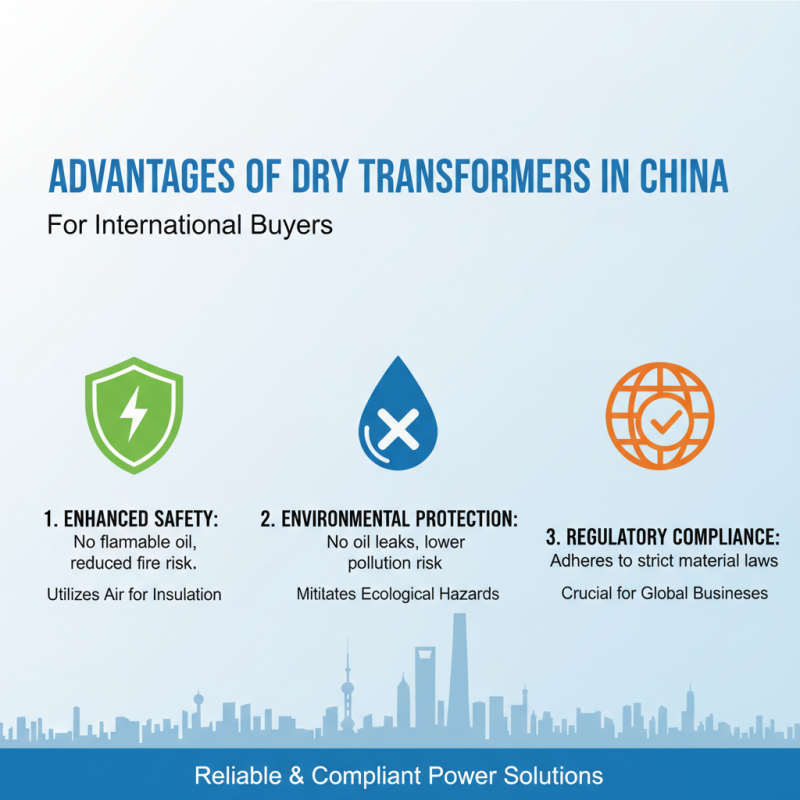
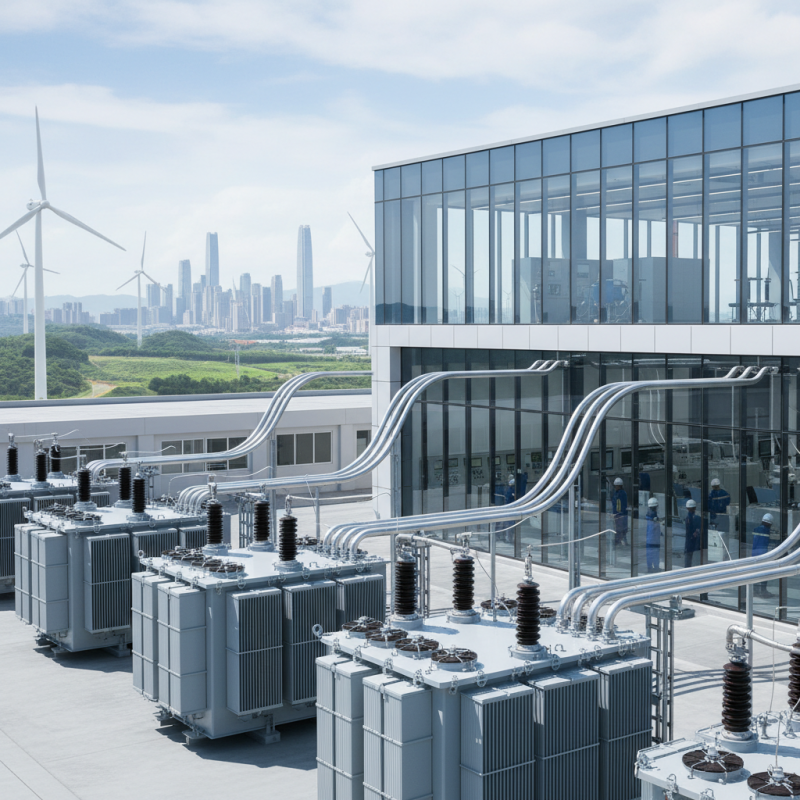
Dry transformers offer distinct advantages for international buyers in China. These transformers utilize air instead of oil for insulation, making them a safer option. They are less prone to leakage, which mitigates environmental risks. Moreover, dry transformers are well-suited for regions with strict regulations on hazardous materials. This compliance is crucial for global businesses seeking reliable sources.
Another significant benefit is the reduced maintenance cost associated with dry transformers. Unlike their oil-filled counterparts, they don’t require regular oil testing or replacement. This can lead to significant savings over time for companies. Furthermore, their compact size allows for easier installation in tight spaces, which many industrial sites in China may present.
Yet, there are challenges to consider. Dry transformers tend to have a lower efficiency than oil-filled models. Buyers must assess whether the slightly reduced performance aligns with their specific needs. Additionally, the upfront cost may be higher, requiring careful budgeting. Choosing the right transformer type depends on a detailed analysis of operational requirements and budget constraints. Finding a knowledgeable supplier can guide buying decisions effectively.
Environmental Benefits of Dry Transformers Compared to Liquid Transformers
The environmental benefits of dry transformers compared to liquid transformers are significant. Dry transformers use air as a cooling medium, which eliminates the risk of oil leaks. This is particularly important in densely populated areas. A study by the International Energy Agency (IEA) noted that dry transformers can reduce potential soil and water contamination from hazardous liquids.
In terms of energy efficiency, dry transformers often perform better in extreme conditions. This can lead to lower energy losses. According to a report from the Electric Power Research Institute, dry transformers can achieve efficiency ratings higher than 99%. This is vital for industries focused on sustainability.
Moreover, dry transformers require less maintenance. They do not need regular oil testing or replacement. This aspect not only cuts costs but also reduces the carbon footprint associated with maintenance activities. However, concerns exist about their performance in higher temperature environments, sometimes leading to reduced capacity and increased operational challenges.
Cost-Effectiveness of Dry Transformers for Global Supply Chains
Dry transformers are becoming increasingly popular in China among global buyers, primarily due to their cost-effectiveness. These transformers are designed with minimal maintenance needs, which translates to lower lifetime costs. Many companies find that using dry transformers reduces overhead costs, particularly in logistics and installation.
In a global supply chain context, dry transformers have a significant advantage. They offer high efficiency and reliability, which means less downtime. This reliability helps avoid costly delays in production. Furthermore, dry transformers are environmentally friendly, often leading to savings in energy costs. The initial investment might be higher compared to oil-filled transformers, but the long-term savings are notable. Smaller warehouses can often accommodate dry transformers easily, further reducing infrastructure costs.
However, challenges exist. Some users express concerns about the initial costs and performance in extreme climates. There is always a balance between upfront investment and operational efficiency. Buyers often weigh the options based on specific needs and constraints. Understanding these factors is crucial before making a decision.
Top Benefits of Using Dry Transformers in China for Global Buyers
This chart illustrates the key benefits of using dry transformers in China for global buyers, highlighting the cost-effectiveness, energy efficiency, low maintenance, environmental safety, and space-saving advantages that make them an attractive choice for global supply chains.
Application Versatility of Dry Transformers Across Various Industries
Dry transformers boast remarkable application versatility across various industries in China. These transformers operate without oil, making them environmentally friendly options for urban areas. They serve well in manufacturing, power generation, and renewable energy sectors. Their compact design allows for easy installation in limited spaces. Moreover, they are resistant to environmental factors such as moisture and dust, ensuring reliability.
Tips: Ensure your installations comply with local safety standards. Assess the voltage requirements specific to your industry for optimal performance.
In the construction industry, dry transformers are used to power heavy machinery. Their robustness can greatly support project demands. However, one should reflect on the potential limitations in high-temperature settings. It's crucial to evaluate these challenges before implementation to prevent operational issues.
Tips: Regularly monitor temperature levels in operational environments. Plan for contingencies if performance drops due to heat.
Healthcare facilities also benefit from dry transformers. They provide a stable power supply to vital equipment. Yet, a lack of redundancy could pose risks during outages. It is necessary to explore backup power options to ensure uninterrupted service.
Safety and Reliability Features of Dry Transformers for Global Markets
Dry transformers are increasingly recognized for their safety and reliability, making them a preferred choice in various sectors. Their design minimizes risks associated with fire and hazardous spills.
According to industry reports, the global dry transformer market is projected to grow significantly, driven by these safety features. The absence of insulating oil significantly reduces the likelihood of fires, which is crucial for industries where safety is paramount.
In regions like China, stringent safety regulations emphasize using equipment that minimizes risk. Dry transformers operate effectively in a wide range of temperatures, maintaining efficiency under extreme conditions. This reliability is often reflected in lower lifecycle costs. Reports indicate that dry transformers can last over 30 years with proper maintenance. In addition, they are environmentally friendly, addressing global buyers' sustainability concerns.
While these transformers offer numerous benefits, challenges still exist. Initial costs can be higher compared to traditional transformers. It’s essential for buyers to assess their specific needs against the upfront investment. Adopting dry transformers is a step toward enhancing safety, but it requires careful evaluation of both short-term and long-term costs.