Best Distribution Transformers for Global Buyers?
In the dynamic world of electrical infrastructure, the choice of Distribution Transformers is critical for global buyers. As John Smith, a leading expert in power systems, noted, "Quality transformers make or break utility performance." This statement underscores the importance of selecting the right equipment to ensure reliable and efficient power delivery.
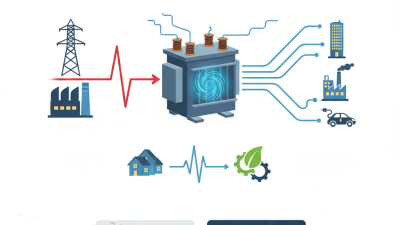
Distribution Transformers play a pivotal role in voltage regulation and energy distribution. They transform electrical energy to a usable voltage level, ensuring that homes and industries receive the power they need. However, not all transformers are created equal. Factors such as material quality, efficiency ratings, and design specifics can significantly impact performance.
As global demand for electricity surges, the significance of well-designed Distribution Transformers cannot be overlooked. Buyers must focus on reputable manufacturers offering robust solutions. Yet, navigating the options can be challenging. It's essential to weigh not just cost, but long-term reliability as well. The choices made today will resonate through years of energy distribution.
Overview of Distribution Transformers and Their Importance
Distribution transformers play a crucial role in the electrical distribution network. They step down high voltage electricity for residential and industrial use. According to a report by Allied Market Research, the global distribution transformer market was valued at approximately $17 billion in 2022 and is projected to reach around $27 billion by 2031. This rapid growth highlights the importance of these transformers in modern power systems.
Their reliability ensures stable electricity supply, which is vital for economic growth. Efficient distribution transformers help to reduce energy losses. The average loss in transformers can be around 2-3%, impacting overall efficiency. As cities expand, the demand for efficient distribution transformers rises. Integrating smart grid technologies into these transformers enhances their functionality.
**Tips for buyers:** Consider transformers with higher energy efficiency ratings. Look for models that can handle variable loads effortlessly. Regular maintenance checks can prolong their lifespan and improve performance. Remember, investing in quality transformers is crucial for long-term energy savings and reliability.
Key Specifications to Consider When Choosing Distribution Transformers
When selecting distribution transformers, key specifications play a vital role. Power rating is essential; it indicates how much power the transformer can handle. Ensure you choose a transformer that accommodates your project’s load requirements. This prevents potential overloads that can damage the equipment.
Efficiency is another important criterion. A higher efficiency transformer reduces energy losses, leading to cost savings over time. Look for transformers with low no-load and load losses to enhance overall performance. Remember, efficiency can vary widely based on design and materials used.
Tip: Always evaluate the cooling methods in transformers. Proper cooling ensures longevity and reliability. Types include oil-immersed and dry-type transformers. Each has distinct benefits and applications.
Consider voltage regulation metrics too. Good voltage regulation maintains consistent voltage levels for sensitive equipment. Inconsistent voltage can lead to operational difficulties.
Tip: Don’t forget about local regulations and standards. Compliance ensures safety and reliability. Understanding these can prevent future issues.
Finding the right distribution transformer requires attention to these specifications. Evaluate your specific needs carefully. Each project has unique challenges demanding tailored solutions.
Top Global Manufacturers of Distribution Transformers
When discussing distribution transformers, it’s essential to recognize the leading manufacturers in the global market. According to a report by MarketsandMarkets, the distribution transformer market is expected to grow from USD 16.96 billion in 2020 to USD 23.7 billion by 2025. This growth is driven by the increasing demand for electricity and the rise of renewable energy sources.
Prominent global manufacturers are introducing innovative technologies. Some companies focus on increasing energy efficiency to meet the strict standards set by regulatory authorities. For instance, advanced materials are now common in transformer design, ensuring durability and performance. The shift to smart grid technology is also influencing product development. This requires transformers that can seamlessly integrate with smart technologies.
Tip: Always verify manufacturer certifications. It’s crucial to ensure compliance with local regulations. Furthermore, check the warranty and customer service levels. This can affect long-term satisfaction with your transformer choice. Lastly, consider the ecological impact of your transformer selection to align with sustainability goals.
Comparative Analysis of Distribution Transformers by Performance
When selecting distribution transformers, performance is a key factor that buyers must consider. These transformers are essential in distributing electricity efficiently and reliably. Performance metrics include load capacity, efficiency, and thermal performance. A high-efficiency transformer reduces energy loss. This is crucial in today’s energy-conscious environment.
Different types of distribution transformers exhibit varying performance levels. For example, oil-immersed transformers typically handle larger loads better than dry-type units. However, they may require more maintenance. Dry-type transformers are known for their safety features and lower environmental impact. Yet, they could struggle with very heavy loads.
Buyers must weigh these factors carefully. Performance can be influenced by installation conditions and operating environment. Hence, one must reflect on specific usage scenarios. An ideal choice balances performance and reliability. Each application presents unique challenges. The right selection can enhance overall operational efficiency. Consider consulting with electrical experts for tailored recommendations. This ensures a well-informed decision.
Future Trends in Distribution Transformer Technology and Applications
The future of distribution transformers is evolving rapidly due to technological advancements and increasing demand for efficient energy solutions. The global market for distribution transformers is expected to grow significantly, projected to reach $20 billion by 2027, according to industry reports. As renewable energy sources become more prevalent, distribution transformers are being redesigned to support these technologies effectively.
New materials in transformer construction have shown improvements in energy efficiency. According to recent studies, amorphous steel cores can reduce losses by up to 70% compared to traditional silicon steel. Such advancements not only enhance performance but are also crucial for meeting environmental regulations. However, the industry's transition to smarter technology presents challenges. Many existing distribution transformers may need retrofitting or replacing—a costly investment for many utilities.
Moreover, innovations like smart sensors and IoT integration allow real-time monitoring of transformer health. This data-driven approach is vital for trouble-free operation and maintenance. Yet, as with any technology, implementing such systems can present integration challenges. The industry must address connectivity and data security to maximize the benefits of smart distribution transformers.