What is a Distribution Transformer and How Does it Work?
Distribution transformers are essential components in electrical distribution systems. They convert high-voltage electricity from power lines into lower-voltage supply, suitable for homes and businesses. This process ensures that power can be safely and efficiently delivered to consumers.
Understanding distribution transformers is vital for anyone in the electrical industry. They play a crucial role in maintaining system reliability. Without them, the flow of electricity would not be manageable. However, many people overlook their importance.
Despite their significance, distribution transformers can face issues such as overheating or reduced efficiency. Regular maintenance is necessary to ensure optimal performance. Awareness of how these devices work can lead to better management practices and improved safety. By delving deeper into the mechanics of distribution transformers, we gain insights that drive reliability in our electrical infrastructure.
What is a Distribution Transformer?
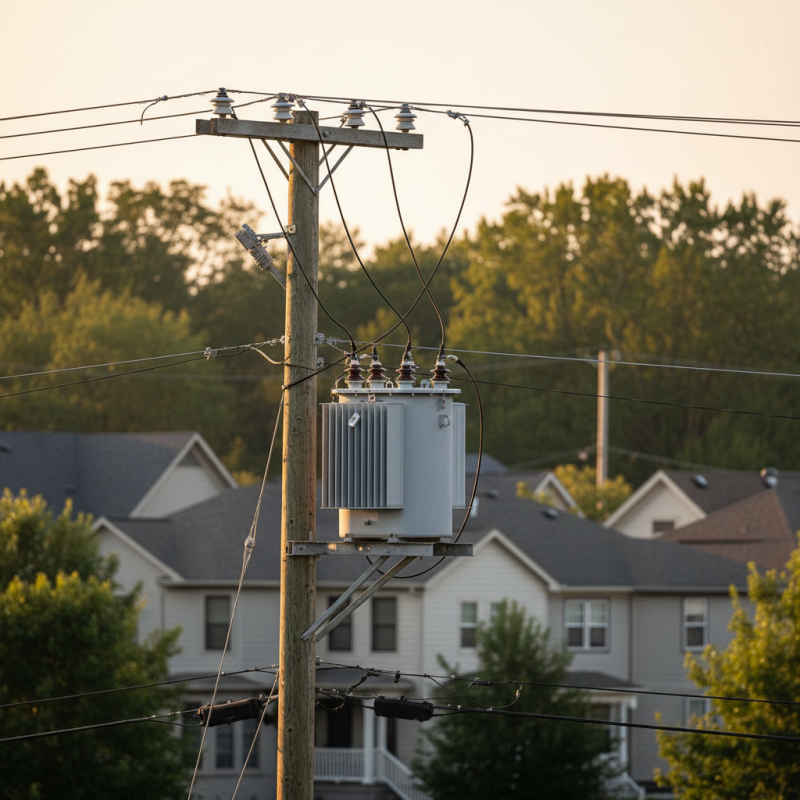
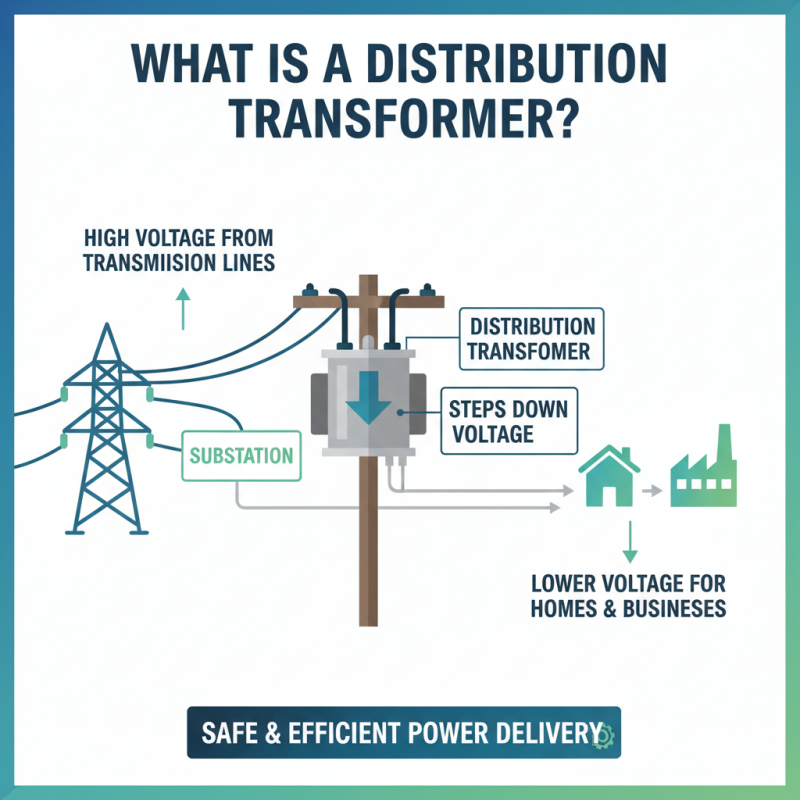
A distribution transformer is a crucial component in modern electrical systems. It steps down high voltages from transmission lines to lower voltages suitable for consumer use. This ensures safe and efficient power delivery to homes and businesses. Typically, these transformers are found at substations or on utility poles.
These transformers operate on the principle of electromagnetic induction. When electricity flows through the primary coil, it creates a magnetic field. This magnetic field induces a current in the secondary coil, transforming high voltage into a more manageable level. Most distribution transformers are oil-cooled, ensuring efficient heat dissipation. Their efficient design minimizes energy loss, but some power is inevitably lost as heat.
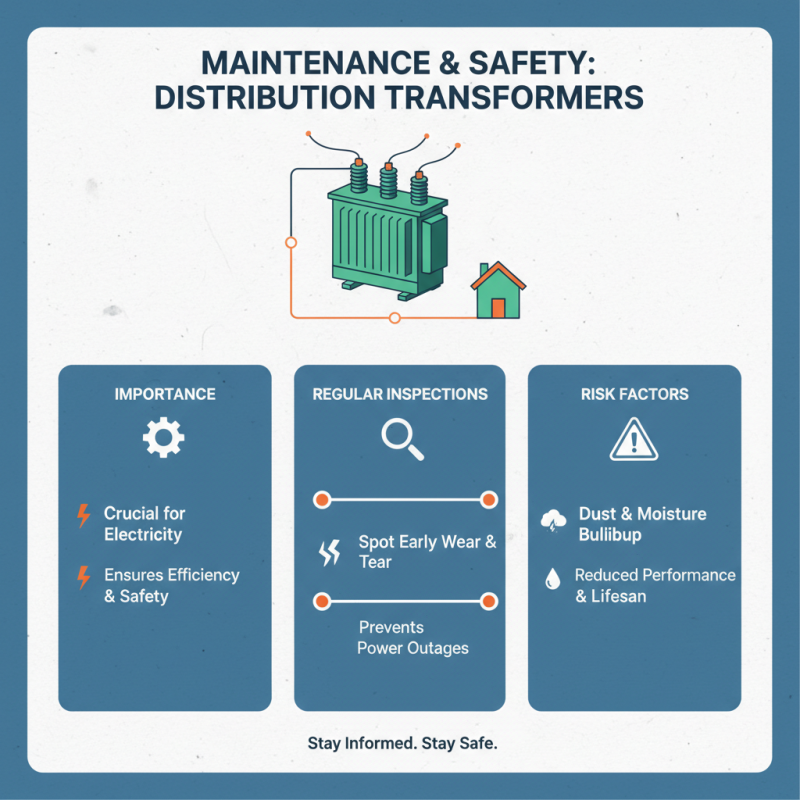
Despite their reliability, distribution transformers can face challenges. Overloading can lead to overheating and reduced lifespan. Regular maintenance is necessary to ensure their optimal function. Additionally, improper installation might lead to safety hazards. Learning more about these devices helps in understanding electricity's journey from power plants to our homes. It's essential to recognize both their importance and the risks associated with them.
Key Components of Distribution Transformers
Distribution transformers play a crucial role in power distribution networks. They reduce high voltage from transmission lines to lower voltage suitable for distribution to end-users. Understanding their components helps optimize performance and reliability.
Key components of distribution transformers include the core, windings, and tap changer. The core, typically made of silicon steel, provides a pathway for magnetic flux. Its efficiency significantly impacts energy losses. According to industry reports, losses can exceed 1% in poorly designed cores.
Windings are copper or aluminum coils that convert electrical energy to magnetic energy. Their quality and configuration affect voltage regulation and efficiency. A tap changer enables voltage adjustments, helping to maintain steady output amidst fluctuating load demands. Many transformers are available with advanced tap changers that enhance operational flexibility.
Additional components, such as cooling systems and insulation materials, are essential for safe operation. Most transformers use oil or air for cooling. Insulation helps prevent short circuits and overheating. Recent analyses show that investing in high-quality components can improve longevity and reduce maintenance costs, providing an effective return on investment. However, the initial expense can be a barrier for some networks, leading to ongoing discussions about cost-effective solutions.
How Distribution Transformers Function
Distribution transformers are essential components in the electrical grid, converting high-voltage electricity into lower voltages suitable for consumer use. These devices typically operate at 95% efficiency or higher, significantly reducing energy losses in transmission. According to a report from the International Energy Agency, losses in the distribution network can account for up to 10% of total electricity generated. This highlights the critical role of transformers in minimizing energy waste.
The functioning of a distribution transformer is relatively straightforward. It works on the principle of electromagnetic induction. When high voltage passes through the primary winding, it creates a magnetic field. This field induces a lower voltage in the secondary winding, delivering appropriate current for residential or commercial use. However, some transformers may experience overheating or insulation failure, which can lead to maintenance challenges. Regular inspections are crucial to ensure longevity and reliability.
Despite their importance, the industry faces issues such as aging infrastructure and varying demand. The U.S. Department of Energy estimates that around 60% of existing transformers will need replacement over the next two decades. This situation calls for innovation and investment in advanced technologies to enhance efficiency. With growing energy consumption, addressing these challenges becomes vital for a sustainable energy future.
Importance of Distribution Transformers in Power Distribution
Distribution transformers play a crucial role in the power distribution network. They step down high voltage electricity from transmission lines to lower voltages suitable for local use. This function ensures that homes and businesses receive electricity safely and efficiently.
The importance of distribution transformers goes beyond mere voltage conversion. They enhance the reliability and stability of electrical supply. When transformers are properly maintained, they reduce risks of outages. However, not all transformers are created equal. Some may operate below optimal efficiency, leading to wasted energy.
Regular inspections and proactive maintenance are essential. Outdated or overloaded transformers can create issues. Power loss can occur if these units are not functioning properly. Therefore, understanding their operation is vital for anyone involved in energy distribution. Balancing efficiency and cost is a constant challenge in managing these essential components.