Why are Distribution Transformers Essential for Modern Electricity Supply?
Distribution transformers play a crucial role in modern electricity supply. According to Dr. Emily Johnson, an industry expert from the Institute of Energy, "Distribution transformers are the backbone of our power networks." This highlights their importance in delivering energy efficiently and reliably.
These devices reduce high voltage electricity to a lower level suitable for homes and businesses. Without distribution transformers, our electric grids would struggle to function. Cities and towns depend on these transformers to ensure a stable energy flow. The size and design of these transformers often dictate the quality of electricity supply, affecting everything from industrial operations to household appliances.
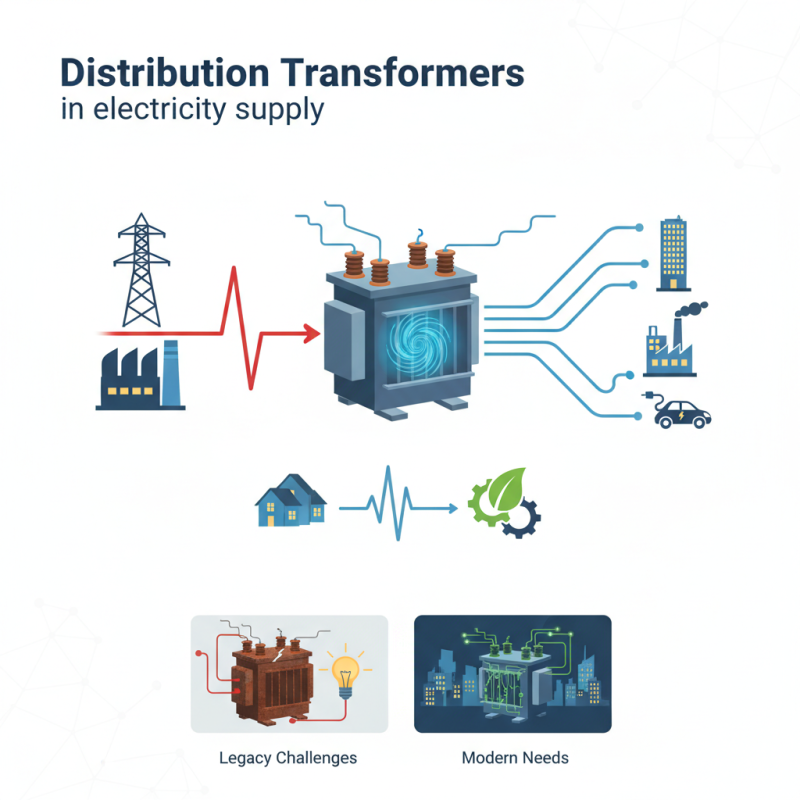
Yet, challenges exist. Many legacy transformers need upgrades, leading to energy losses. Additionally, the increasing demand for sustainable energy sources complicates their role. As cities grow, the need for efficient distribution transformers becomes ever more critical. Addressing these issues is essential for maintaining reliable power in a changing landscape.
The Role of Distribution Transformers in Electrical Systems
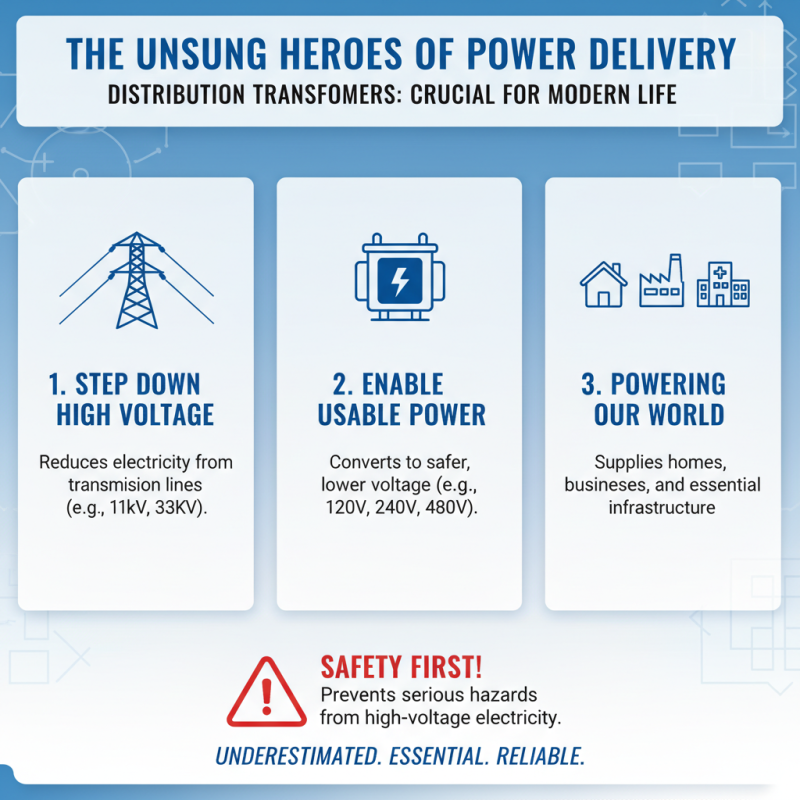
Distribution transformers play a vital role in modern electrical systems. They are responsible for stepping down high-voltage electricity to a more usable voltage level. This is crucial for powering homes, businesses, and essential infrastructures. Without these transformers, high-voltage electricity would pose serious safety risks. It’s interesting to note that many still underestimate their importance.
These transformers function at various stages of the supply chain. They ensure that electricity delivered to consumers is stable and reliable. Fluctuations in voltage can lead to equipment failures and disruptions. It’s essential to maintain a consistent supply to avoid negative consequences for users. Engineers and electricians often analyze transformer performance to prevent potential issues.
However, it's also crucial to consider the environmental impact of distribution transformers. Aging infrastructure can lead to energy losses. As technology evolves, equipment often becomes outdated. Challenges arise when upgrading these systems. It requires balancing cost, efficiency, and sustainability. The role of distribution transformers continues to be a topic of discussion among experts aiming for improvements.
Key Functions of Distribution Transformers in Power Distribution
Distribution transformers play a crucial role in power distribution networks. They step down high voltage electricity from transmission lines to levels suitable for local use. This transformation is essential for ensuring that homes and businesses receive safe and reliable electricity. Without these transformers, high voltages would not be practical for everyday use.
These devices serve multiple functions beyond voltage reduction. They help in isolating different sections of the power grid, ensuring that a fault in one area does not affect others. Additionally, they maintain voltage stability across the distribution system. This stability is vital for the efficient operation of sensitive electronics. It reduces power fluctuations that could damage appliances.
While distribution transformers are reliable, they are not without challenges. Aging infrastructure can lead to inefficiencies. Preventive maintenance is often neglected, which may cause power outages. Unforeseen loading conditions can impact their performance. Addressing these concerns requires ongoing investment and attention to modernizing the grid.
The future of electricity supply relies heavily on improving these essential components.
Advantages of Distribution Transformers for Modern Electrification
Distribution transformers play a crucial role in modern electrification. They step down high-voltage electricity from transmission lines to lower voltages suitable for use in homes and businesses. This process is essential for efficient power distribution. According to the International Energy Agency, effective energization of rural areas can increase access to power by over 70%. This statistic highlights the impact of transformers on electrification efforts globally.
The advantages of distribution transformers extend beyond simple voltage reduction. They improve system reliability and reduce energy losses during transmission. A report from the Electric Power Research Institute indicates that efficient transformers can minimize energy loss by approximately 1-2% per year. This efficiency contributes to not only economic savings but also environmental benefits. By optimizing energy usage, these transformers support sustainability goals in power generation.
However, challenges remain. Aging infrastructure and the need for upgrades can hinder effective deployment. Additionally, there are concerns regarding the materials used in transformer production. Exploring alternatives to traditional insulating oils could enhance sustainability. Industry experts advocate for continued research and innovation in this area. Ensuring the future resilience of distribution transformers is becoming increasingly important.
Challenges Faced by Distribution Transformers in Urban Areas
Urban areas face significant challenges in managing distribution transformers. A report from the International Energy Agency (IEA) indicates that urban centers consume over 70% of global electricity. This high demand puts immense pressure on distribution transformers, which are vital for delivering power to homes and businesses.
Overloading is a common issue. Many transformers operate at or near capacity during peak hours. Studies show that around 25% of distribution transformers are aged or improperly sized. This not only affects performance but increases risks of failure. Urban heat also plays a role. Elevated temperatures can lead to overheating and reduce the lifespan of these critical components.
Moreover, congestion is a persistent challenge in cities. Restrictive spaces make it difficult to access transformers for maintenance. Inadequate infrastructure investment exacerbates the problem. Around 30% of transformers fail to meet modern efficiency standards, according to industry analysts. This could lead to higher operational costs and increased carbon emissions. Addressing these challenges is essential for enhancing the reliability of electricity supply in urban environments.
Challenges Faced by Distribution Transformers in Urban Areas
Future Innovations in Distribution Transformer Technology
Distribution transformers play a significant role in the modern electricity supply. As technology evolves, future innovations in transformer technology are set to enhance their efficiency and effectiveness. According to industry data, the global market for distribution transformers is expected to reach $26 billion by 2027, highlighting the demand for innovative solutions.
Emerging technologies, such as smart grid integration, are transforming distribution transformers. These systems allow for real-time monitoring and management of energy flow. Reports indicate that smart transformers can improve efficiency by up to 30%. Despite these advantages, challenges remain. Integrating new technologies with existing infrastructures can be complex. Additionally, data security concerns surround the increasing reliance on connected devices.
Another exciting development is the use of environmentally friendly materials. The industry is moving toward biodegradable insulating fluids. This change addresses environmental concerns, as traditional oils can be harmful. However, adopting these new materials presents testing and certification challenges. As the sector innovates, ongoing research is vital to ensure safety and performance remain uncompromised. These advancements signal a promising future but also demand vigilance and adaptation.
Why are Distribution Transformers Essential for Modern Electricity Supply? - Future Innovations in Distribution Transformer Technology
| Dimension |
Current Technology |
Future Innovation |
Impact on Electricity Supply |
| Energy Efficiency |
High losses in older models |
Advanced core materials and designs |
Reduced energy wastage |
| Smart Technology Integration |
Limited monitoring capabilities |
IoT-enabled devices |
Enhanced grid reliability |
| Physical Size |
Bulky and heavy units |
Compact transformer designs |
More flexible installation options |
| Environmental Impact |
Use of mineral oil |
Biodegradable fluids |
Lower environmental footprint |
| Customization |
Standardized models |
Adaptable configurations |
Tailored solutions for diverse needs |