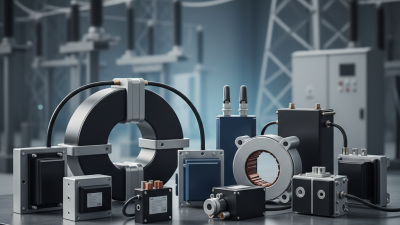
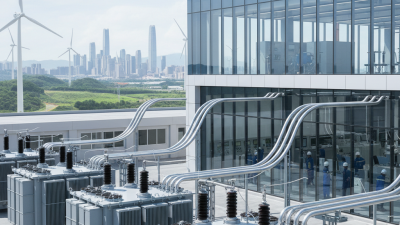
Converter Transformers play a crucial role in modern power systems. They convert electrical energy from one form to another, ensuring efficient power distribution. Understanding how to use these devices effectively can enhance their performance and longevity.
Many professionals face challenges when working with Converter Transformers. Common misconceptions can lead to improper usage. In this guide, we will explore essential tips that enhance efficiency and reliability.
Focusing on best practices is key. For instance, regular maintenance checks can prevent costly downtimes. It's also important to monitor load levels continuously. By implementing these strategies, you can maximize the benefits of your Converter Transformer, ensuring a robust energy system.
Converter transformers play a crucial role in electrical systems. They convert alternating current (AC) into direct current (DC) and vice versa. Understanding their functions helps users deploy them more effectively. In industrial settings, these transformers ensure compatibility between devices. This is especially important in powering and controlling machinery.
When selecting a converter transformer, consider factors like voltage and current ratings. Each application has its requirements. Choosing the wrong specifications can lead to inefficiencies or failures. A meticulous approach helps avoid costly mistakes. Service conditions also matter. For example, overheating can damage the transformer, leading to unexpected downtime.
While many users rely on manuals, firsthand experience often reveals more. Testing the transformer under varied loads can provide insights. Regular maintenance ensures reliability. Noticing any unusual sounds or heat can prevent future problems. Learning to adapt based on hands-on experience is vital. Mistakes happen; the key is to learn from them.
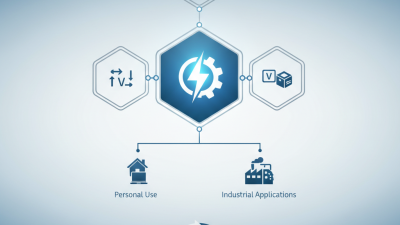
Converter transformers are crucial for various applications in power systems. However, selecting the right context for their use is essential for optimal performance. Industries with frequent load changes can benefit significantly from these transformers. For example, manufacturing sites need to manage varying power demands efficiently. Converter transformers provide reliable voltage transformation in these scenarios.
To maximize the effectiveness of converter transformers, consider your application. High-precision environments, like data centers, require transformers that minimize power disturbances. Direct current applications also need specific transformer types for accurate energy conversion. It’s vital to evaluate your system’s requirements and environmental conditions before implementation.
Remember to assess the cooling requirements of your converter transformer. An inadequate cooling system can lead to overheating and reduced efficiency. Regular maintenance is a must, as neglect can affect performance. Reflecting on these factors can reveal gaps in your current setup. Identifying these issues will help improve operational reliability and efficiency over time.
| Tip No. | Tip Description | Suitable Applications | Key Benefits |
|---|---|---|---|
| 1 | Ensure proper sizing of converter transformers. | Industrial power systems | Increased efficiency and performance. |
| 2 | Install thermal management solutions. | Power generation facilities | Extended lifespan of equipment. |
| 3 | Utilize protective relaying systems. | Renewable energy sources | Enhanced operational safety. |
| 4 | Conduct regular maintenance checks. | Commercial buildings | Reduced downtime and repair costs. |
| 5 | Monitor load characteristics consistently. | Telecommunications networks | Optimized efficiency in operations. |
| 6 | Implement energy storage solutions. | Electric vehicle charging stations | Improved energy reliability. |
| 7 | Select the right materials for insulation. | Data centers | Minimized energy loss. |
| 8 | Integrate smart grid technology. | Urban infrastructure | Increased operational intelligence. |
| 9 | Train personnel on operational best practices. | Manufacturing plants | Enhanced safety and efficiency. |
| 10 | Regularly update software for monitoring systems. | Smart city projects | Increased control over energy management. |
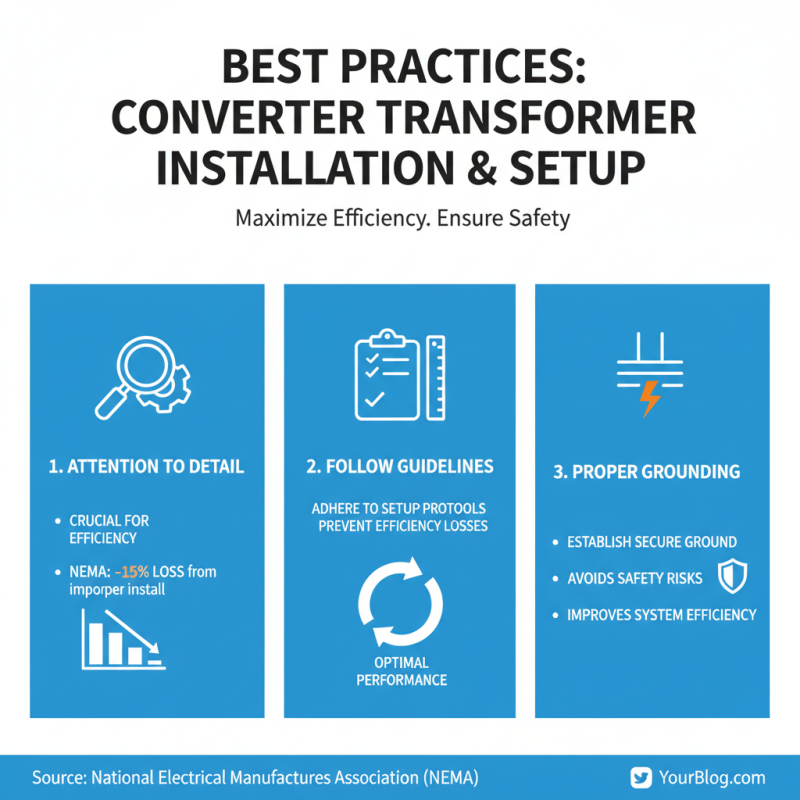
When installing converter transformers, attention to detail is crucial. The National Electrical Manufacturers Association (NEMA) reports that improper installation can lead to efficiency losses of up to 15%. This emphasizes the need for adherence to guidelines during the setup phase. Ensure proper grounding is established. Faulty grounding can compromise safety and efficiency.
Choosing the right location is equally important. Transformers should be placed in cool, dry environments, away from direct sunlight. According to industry studies, temperature fluctuations can shorten the lifespan of transformer components. Install adequate ventilation to prevent overheating.
Additionally, it's vital to conduct regular maintenance checks. The Institute of Electrical and Electronics Engineers (IEEE) states that neglecting maintenance can result in unexpected failures. Schedule periodic inspections to identify potential issues early. Look for signs such as unusual noises or overheating. These observations can guide further action and extend the life of the transformer. Investing time in thoughtful setup and maintenance can lead to significant long-term savings.
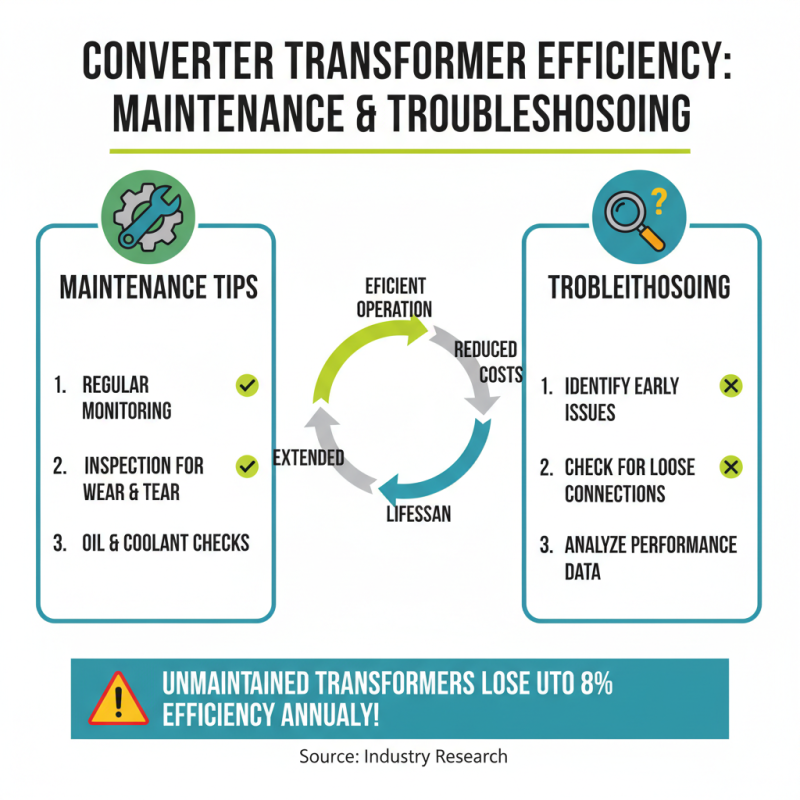
Converter transformers play a critical role in electrical systems. Their efficient operation hinges on proper maintenance and troubleshooting. Regular monitoring helps to identify issues early. Research indicates that unmaintained transformers can lose up to 8% of their efficiency annually. This kind of loss can have heavy implications for operating costs.
Routine inspections are essential. Look for abnormal sounds or unusual vibrations. These warning signs could indicate mechanical problems. Additionally, check connections and insulation for wear. Faulty connections can lead to overheating, potentially damaging the transformer. A study by the Institute of Electrical and Electronics Engineers highlights that timely maintenance can extend the lifespan of equipment by 25%.
Cleaning play a key role too. Residue buildup can hinder heat dissipation. Keeping transformers clean helps maintain optimal performance. An overwhelmed system may not only work harder but also consume more energy. This lack of efficiency often leads to increased costs. Operators must stay aware of environmental factors, like humidity, which can impact transformer performance. It's important to remain vigilant and proactive in addressing these challenges.
When using converter transformers, safety precautions are critical. Converter transformers convert AC to DC and require attention during installation and operation. According to the National Electrical Safety Code, improper handling accounts for 10% of electrical accidents. Understanding the risks can help mitigate these dangers.
Always wear appropriate personal protective equipment (PPE). Rubber gloves and insulated tools provide an extra layer of protection. Ensure that the transformer is grounded properly. A well-grounded transformer reduces the risk of electric shock. Regular maintenance checks are vital. Ensure connections are tight and insulation is intact.
Monitoring the transformer’s temperature is essential. Overheating can lead to failures and fires. In fact, industry reports indicate that around 30% of transformer failures are attributed to overheating. Establish a routine inspection schedule to catch issues early. Be vigilant about identifying unusual sounds or smells, as these can signal problems. Adopting these practices can significantly enhance safety in working with converter transformers.
This bar chart illustrates the percentage of usage for converter transformers across various application areas. It highlights that domestic use leads with 30%, followed by industrial and commercial sectors. This information is crucial for understanding how converter transformers are utilized in different fields and guiding effective usage practices.