2026 Top Distribution Transformers Trends and Innovations?
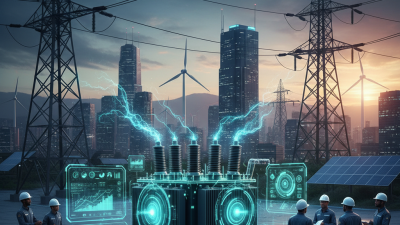
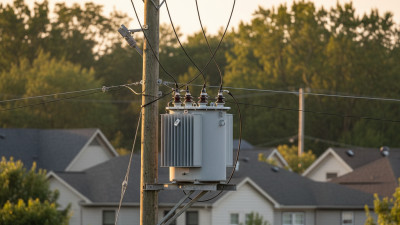
The landscape of Distribution Transformers is evolving rapidly. As we approach 2026, innovative trends are emerging in this vital sector. These advancements are not just technical; they touch on sustainability, efficiency, and smart technology integration.
Recent studies indicate that the demand for high-performance Distribution Transformers is on the rise. This shift is driven by increasing energy consumption and the need for reliable power distribution. Technologies such as IoT and AI are reshaping how these transformers operate, offering real-time monitoring and predictive maintenance. However, challenges persist. Ensuring compatibility with aging infrastructure can be demanding.
Understanding these trends is crucial for industry professionals. Staying informed allows for better decisions regarding investments in new technologies. Ultimately, the future of Distribution Transformers will depend on balancing innovation with practical application. The journey is complex but full of potential.
Emerging Technologies in Distribution Transformers for 2026
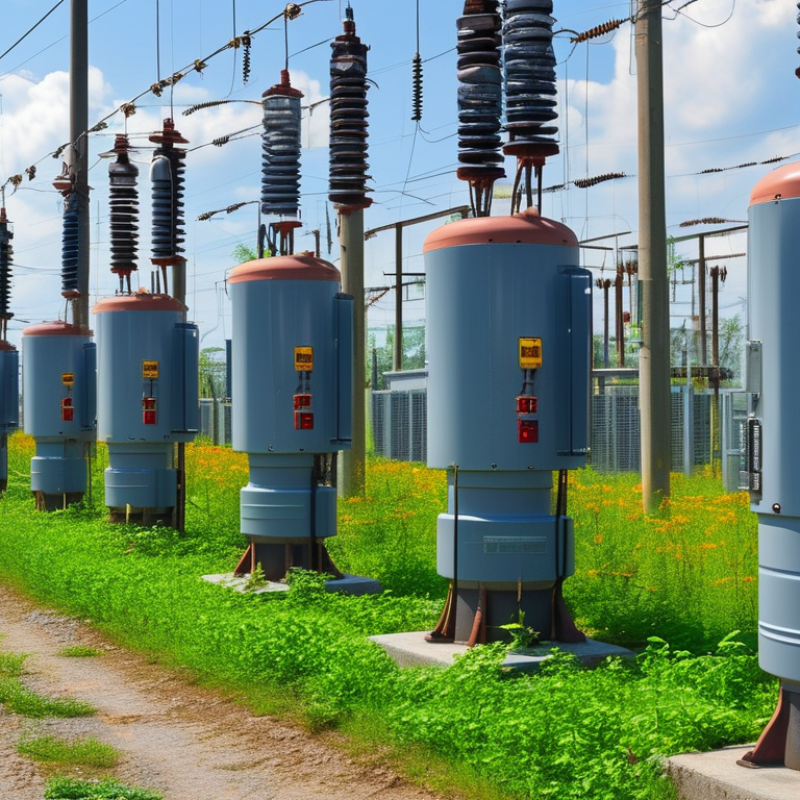
The landscape of distribution transformers is evolving rapidly. As we look forward to 2026, emerging technologies are reshaping this sector. Smart grid integration is becoming essential. It enhances efficiency and reliability in energy distribution. Advanced monitoring systems are also gaining traction. They offer real-time data management, reducing outages.
Another innovation is the use of eco-friendly materials. These transformers comply with environmental regulations. They minimize the carbon footprint, promoting sustainability. With the internet of things (IoT), transformers can communicate with other devices. This connectivity improves system performance. It enables predictive maintenance, which ultimately saves costs.
Tips: Consider assessing current transformer technologies. Evaluate their performance against innovative options. Staying informed will guide your future purchasing decisions. Collaboration with experts can shed light on new developments. It’s crucial to adapt to these trends. Reflecting on past solutions may reveal gaps in your strategy.
2026 Top Distribution Transformers Trends and Innovations
| Trend/Innovation |
Description |
Impact |
Expected Adoption Year |
| Smart Transformers |
Integration of IoT and AI for real-time monitoring and diagnostics. |
Enhances operational efficiency and reduces maintenance costs. |
2025-2026 |
| Eco-Friendly Materials |
Use of sustainable materials in transformer production to minimize environmental impact. |
Helps in regulatory compliance and improves brand image. |
2024-2025 |
| Wireless Monitoring Systems |
Utilization of wireless technology for remote monitoring of transformer health. |
Increases reliability and reduces the need for physical inspections. |
2026 |
| Enhanced Thermal Management |
Improved cooling systems to manage heat dissipation more effectively. |
Extends transformer lifespan and increases performance efficiency. |
2025 |
| Modular Transformer Designs |
Transformers designed in modular sections for easier upgrades and repairs. |
Reduces downtime and maintenance costs. |
2026 |
Sustainable Materials and Eco-Friendly Innovations in Transformer Design
The growing focus on sustainability in the energy sector is reshaping transformer design. Eco-friendly materials are becoming essential in manufacturing distribution transformers. In fact, a report by the International Energy Agency highlights that by 2026, over 50% of new transformers will incorporate sustainable materials. These materials significantly reduce environmental impact while maintaining performance.
Innovations are also emerging in insulation technology. Traditional oil-based insulation is being replaced with biodegradable alternatives. These new options provide similar thermal and electrical performance while being less harmful to the environment. A recent study found that transformers using eco-friendly insulation can lower carbon emissions by up to 30%. This shift not only benefits the planet but also appeals to utilities seeking to meet regulatory requirements.
Despite these advancements, challenges remain. Many manufacturers struggle with the higher costs associated with sustainable materials. Additionally, there is a risk that these new materials may not yet be fully tested for long-term reliability. Stakeholders must remain vigilant, understanding the balance between innovation and practicality in transformer design.
Smart Grid Integration and its Impact on Distribution Transformers
The integration of smart grids is transforming distribution transformers in significant ways. These grids utilize digital technology to improve efficiency and reliability. By incorporating sensors and advanced communication, transformers can now monitor real-time data. This allows for better management of energy distribution, reducing losses and enhancing performance.
However, this transition is not without challenges. Many distribution transformers must be retrofitted to handle new technologies. Utilities face the dilemma of investing in upgrades while managing existing infrastructure. Additionally, data security concerns arise with increased connectivity. Ensuring that these systems are resilient against cyber threats is crucial.
Recognizing these issues highlights the need for continuous improvement. Professionals must assess the effectiveness of current transformers. There is room for innovation, as not all upgrades yield immediate benefits. By focusing on collaboration and research, the future of distribution transformers can be more secure and efficient.
Enhanced Efficiency and Performance Metrics for Modern Transformers
The evolution of distribution transformers focuses on enhanced efficiency and performance metrics. Designers now prioritize minimizing energy losses. Innovations often involve advanced materials that reduce operational costs. This shift contributes directly to sustainability and energy standards.
Effective performance begins with reliable metrics. Assessing no-load losses and load losses becomes essential. New test protocols provide clearer insights. These metrics help in identifying inefficiencies. It’s crucial to evaluate not just installation costs but also long-term savings.
Tips: Always request detailed performance reports before making a purchase. Compare efficiency ratings rigorously. Regular maintenance checks can reveal hidden issues that impact performance. Remember, underperformance can often occur unnoticed. Regular assessments improve overall reliability and efficiency.
Future Trends in Maintenance and Monitoring for Distribution Transformers
The future of maintenance and monitoring for distribution transformers is evolving rapidly. Recent advancements in technology promise to enhance efficiency and reliability. Predictive maintenance is gaining traction. It uses data analytics to foresee potential failures before they occur. This proactive approach minimizes downtime and maximizes operational lifespan.
Condition monitoring systems are becoming more sophisticated. They utilize sensors to gather real-time data on temperature, vibration, and load. This data provides valuable insights, enabling timely interventions. However, reliance on technology can lead to complacency. Regular manual inspections should not be overlooked. They remain crucial for identifying issues that sensors might miss.
The trend toward digital twins is noteworthy. These virtual models replicate the physical transformer’s behavior. They assist engineers in analyzing performance and identifying anomalies. The integration of IoT devices will increase visibility across the grid. This interconnectedness can expose vulnerabilities. It is essential to maintain a balanced approach between technology and traditional methods. Relying solely on digital solutions may create blind spots.