2026 Top Trends in Distribution Transformers for Efficient Power Solutions?
The landscape of Distribution Transformers is evolving. Industry reports project a growth of 6.2% annually in the distribution transformer market. This surge reflects the increasing demand for efficient power solutions globally. Expert John Smith, a leading authority in energy technology, states, "The future of Distribution Transformers hinges on innovation and sustainability."
As we look towards 2026, several trends are emerging. Smart grid technology is gaining traction, improving energy management. These advancements allow for real-time monitoring of Distribution Transformers, enhancing reliability and performance. However, challenges remain, such as integrating renewable energy sources.
Moreover, environmental regulations are shaping the industry. Companies must adopt eco-friendly materials and practices. While many are progressing, others lag behind in sustainability efforts. As the market matures, addressing these gaps will be crucial for success. The journey ahead for Distribution Transformers is filled with potential, but requires vigilance and adaptation.
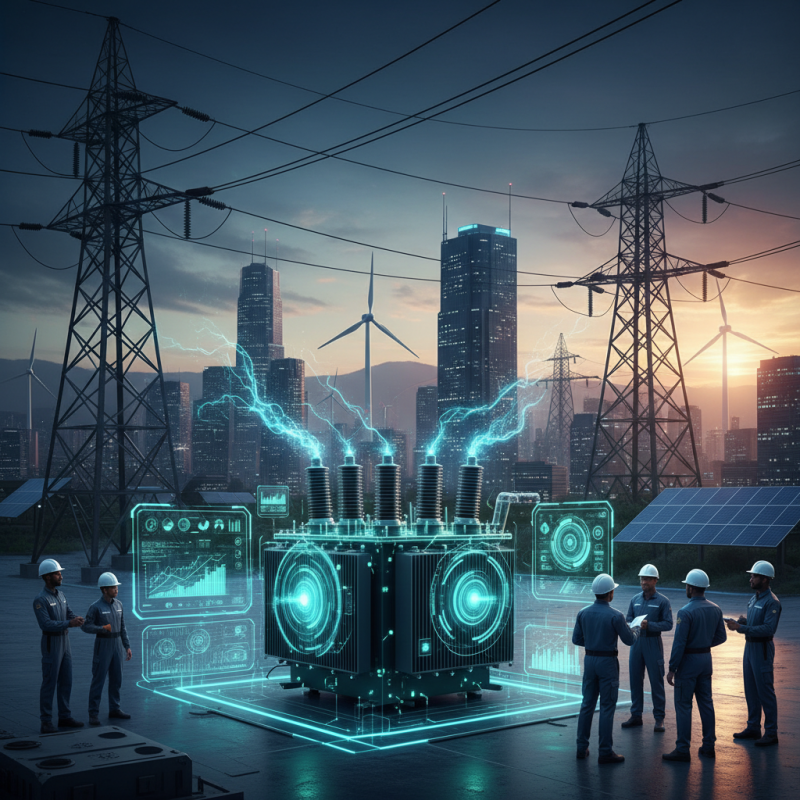
Emerging Technologies Driving the Future of Distribution Transformers
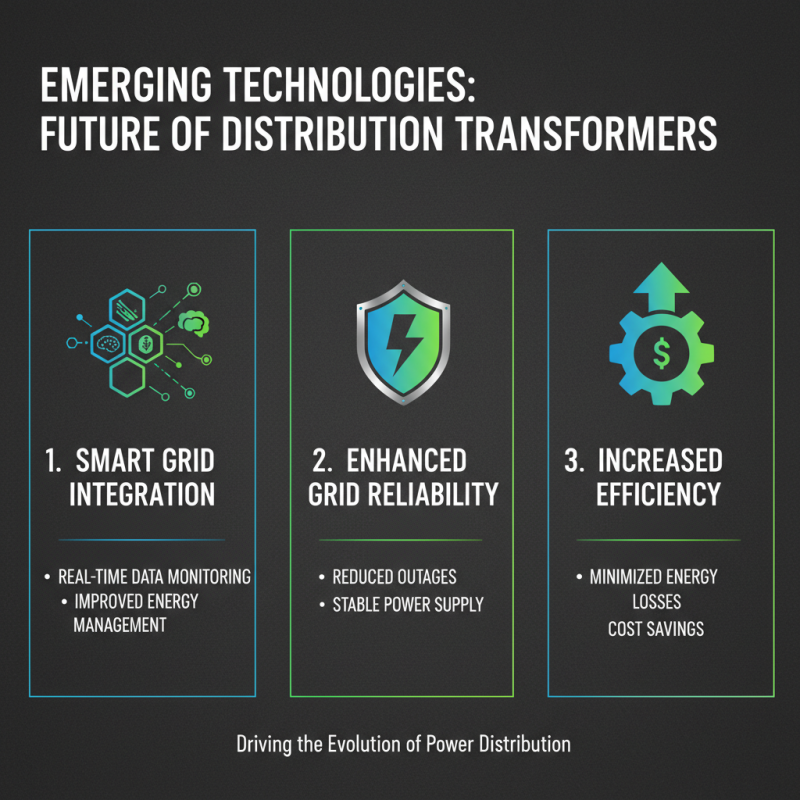
The evolution of distribution transformers is significantly shaped by emerging technologies. Smart grid integration is at the forefront, allowing real-time data monitoring and improved energy management. These innovations enhance grid reliability and efficiency, addressing energy losses during distribution.
Another noteworthy trend is the advancement in materials. High-temperature superconductors and amorphous steel are being used in transformer designs. These materials enable reduced energy losses and smaller transformer sizes. However, the cost and practical implementation are still challenging. As the industry explores these technologies, the full potential remains to be realized.
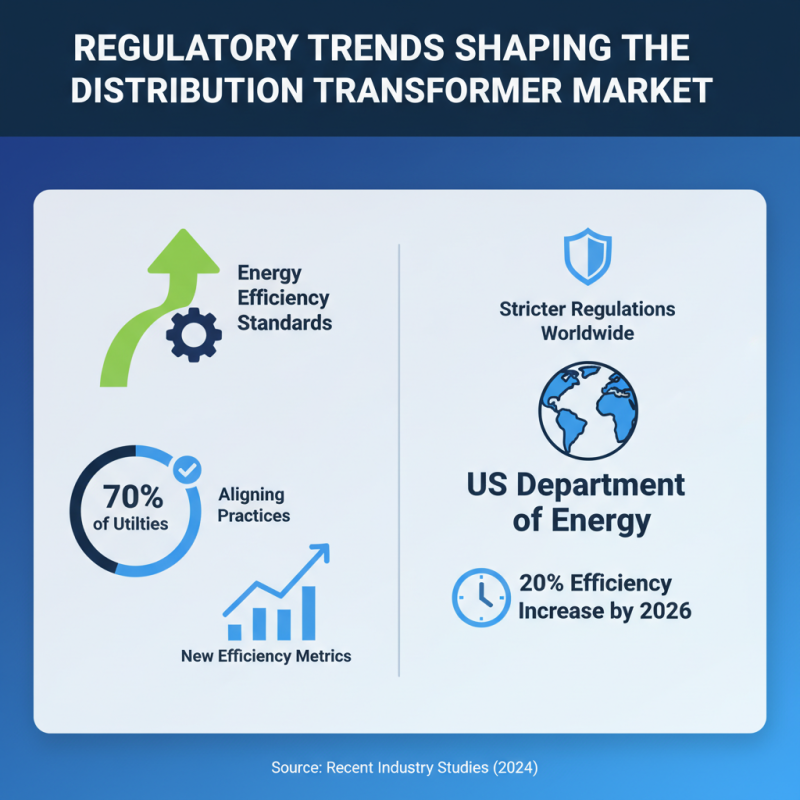
Energy efficiency regulations are also driving innovation. Manufacturers are pressured to develop transformers with lower environmental impacts. This push has led to more sustainable designs, yet the higher upfront costs can deter adoption. Balancing cost with improved efficiency will be essential for future developments in the sector.
Sustainable Materials and Designs for Eco-Friendly Power Solutions
As the energy sector evolves, the shift toward sustainable materials in distribution transformers gains momentum. A report from the U.S. Department of Energy indicates that using eco-friendly materials can reduce carbon emissions by up to 40% compared to traditional transformers. This is substantial for companies aiming for net-zero targets.
Designs featuring recyclable components are becoming industry standards. For instance, insulation made from biodegradable materials enhances efficiency while minimizing waste. According to the International Energy Agency, transformers account for nearly 5% of global energy losses. Switching to sustainable designs could significantly mitigate these losses.
However, challenges remain. The sourcing of innovative materials can be costly. Companies often hesitate to invest due to high upfront costs. There’s ongoing research on balancing performance with sustainability. Integrating eco-friendly materials into existing frameworks isn't straightforward. It requires a careful assessment of performance standards to ensure reliability in power delivery. Continuous improvement and innovation will be essential.
Smart Grid Integration: Enhancing Efficiency through Digital Transformation
The integration of smart grids is transforming the power distribution landscape.
Digital transformation is key in this evolution.
It improves efficiency, reliability, and responsiveness in power solutions.
Smart grids utilize advanced technologies to monitor and control electricity flow.
This connectivity enhances the overall management of energy resources.
Tips:
Invest in training for your team. Familiarity with smart grid technologies is crucial.
Regular assessments of your current infrastructure can reveal gaps.
Look for innovative solutions to improve energy consumption.
Digital tools can help in real-time data analysis.
This insight allows for proactive decision-making.
Reduced downtime and optimized resource allocation are the results.
However, challenges exist. Traditional systems may struggle with integration.
Addressing this requires careful planning and testing.
Tips:
Establish partnerships with technology experts.
Collaborating can bring fresh perspectives. Encourage open communication within your team to foster innovation.
Seek feedback to identify areas for improvement.
Improving Maintenance and Reliability in Distribution Transformer Systems
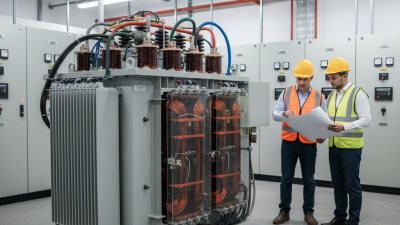
Ensuring the reliability of distribution transformer systems is critical for efficient power solutions. Regular maintenance plays a key role in achieving this goal. Experienced technicians often recommend implementing a predictive maintenance schedule. This could include regular inspections, monitoring temperature variations, and assessing insulation levels. By identifying potential failures early, operators can mitigate risks and extend transformer lifespan.
Modern technology enhances maintenance practices. For instance, smart sensors offer real-time data on transformer health. This data can reveal issues that may not be visible during routine checks. However, relying solely on technology can be risky. Unexpected breakdowns still occur, highlighting the need for experienced personnel to interpret data effectively. Human insight remains invaluable in complex situations.
Additionally, environmental factors significantly affect transformer reliability. Exposure to harsh conditions can accelerate wear and tear. Operators must consider these variables when planning maintenance. Despite advancements, unexpected challenges often arise in transformer management. Reflecting on these experiences can lead to more robust strategies for future improvements. Embracing both technology and human expertise is essential to enhance the efficiency of distribution transformers.