Why Are Distribution Transformers Essential for Modern Power Supply?
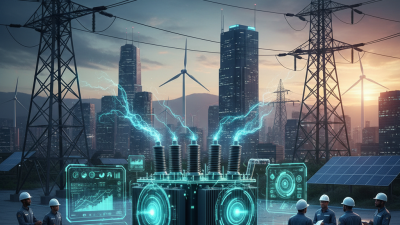
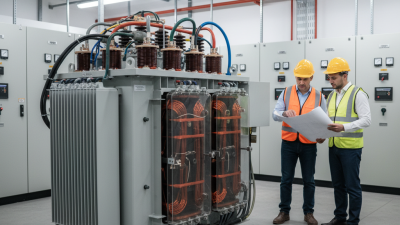
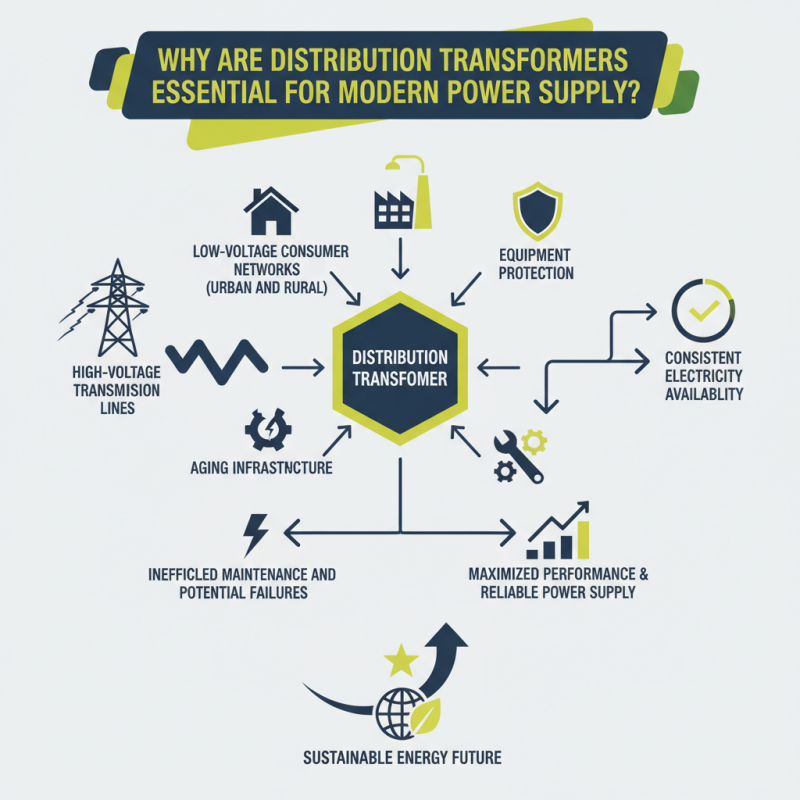
Distribution Transformers play a crucial role in modern power supply systems. They bridge the gap between high-voltage transmission lines and low-voltage consumer networks. These transformers are essential for effective energy distribution in urban and rural areas. Without them, the reliable delivery of electricity would be severely compromised.
Efficient power distribution relies on the proper functioning of Distribution Transformers. They help reduce voltage to safe levels for homes and businesses. This reduction protects equipment and ensures consistent electricity availability. Their design allows them to operate under various conditions, making them versatile in different environments. However, they are not without challenges. Aging infrastructure can lead to inefficiencies and potential failures in power supply.
Regular maintenance and upgrades are necessary to maximize their performance. Many utilities grapple with outdated units that struggle to keep up with demand. Understanding the importance of Distribution Transformers can lead to better planning and investment in energy infrastructure. As we advance, their role will only grow more significant in ensuring a reliable and sustainable energy future.
The Role of Distribution Transformers in Electrical Grids
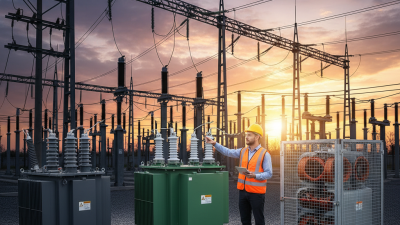
Distribution transformers play a vital role in modern electrical grids. They step down voltage from high transmission levels to a lower voltage suitable for distribution. This process ensures that electricity can be delivered safely to homes and businesses. Without these transformers, the high voltage from power plants would be dangerous for everyday use.
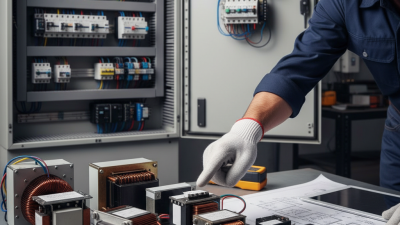
A common misconception is that transformers are merely passive devices. In reality, they are intricate components that require regular maintenance. Faulty transformers can lead to cascading failures across the grid. Therefore, monitoring their health is essential for maintaining reliability. Regular inspections should not be overlooked.
Tips: Always ensure transformers are placed in locations with proper ventilation. This avoids overheating, a common issue. Also, be aware of load changes in your area; this knowledge can aid in transformer upgrades. A poorly managed transformer can lead to increased operational costs. Regular training for maintenance staff is equally important, as it promotes best practices.
Understanding the Functionality of Distribution Transformers
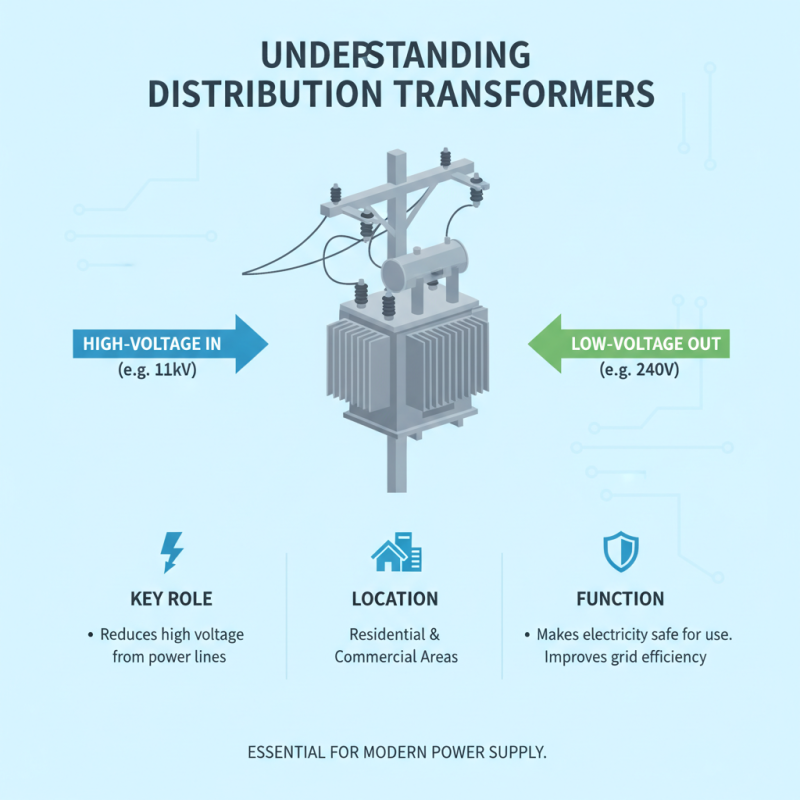
Distribution transformers play a crucial role in modern power supply systems. They reduce voltage levels, making electricity safe for consumers. Typically found in residential and commercial areas, these devices transform high-voltage electricity from power lines into lower voltages suitable for everyday use. Without transformers, the electrical grid would be inefficient and dangerous.
In urban settings, distribution transformers are essential. They connect power sources to homes and businesses. This connection helps maintain a stable voltage supply. However, not all transformers operate flawlessly. Aging infrastructure can lead to failures. This can result in power outages or damage to connected devices. Regular maintenance and upgrades are essential to ensure reliability.
Understanding how distribution transformers function can improve energy delivery systems. They not only manage voltage but also assist in load balancing. This ensures that no single transformer becomes overloaded. Innovating and optimizing these units can lead to a more efficient energy landscape. While they're effective, their vulnerability to environmental factors and wear must be acknowledged.
Benefits of Using Distribution Transformers for Power Quality
Distribution transformers are crucial in the modern electrical grid. They help maintain power quality across various sectors. These transformers reduce voltage from high transmission levels to lower levels suitable for residential and industrial use. According to the International Energy Agency, nearly 70% of electricity distribution uses these transformers.
The benefits of using distribution transformers are evident in their role in voltage regulation. They minimize power losses, thereby improving overall efficiency in the grid. A report from the Electric Power Research Institute states that transformers can increase energy efficiency by up to 98%. This high efficiency not only enhances power quality but also contributes to cost savings for utility companies.
Moreover, distribution transformers help reduce harmonics in the electrical system. Excessive harmonics can lead to equipment damage and reduce lifespan. The presence of high-quality transformers aids in filtering these distortions. However, it is essential to regularly monitor and maintain these systems. Aging transformers can lead to increased power losses and unplanned outages. Upgrading aging infrastructure remains a challenge but is necessary for improved electricity distribution.
Benefits of Distribution Transformers for Power Quality
Impact of Distribution Transformers on Energy Efficiency
Distribution transformers play a crucial role in energy efficiency within modern power supply systems. These transformers step down the high voltage electricity from transmission lines to a usable level for homes and businesses. This process is essential because it minimizes energy loss during transmission. High voltage electricity travels efficiently over long distances, but once it reaches local networks, it must be transformed to lower voltages.
However, the efficiency of distribution transformers can vary. Some older transformers suffer from higher losses due to inefficiencies in design and material. Modern transformers, on the other hand, are better engineered. They use advanced materials that reduce energy losses. Yet, the initial cost of these newer models can discourage adoption. Improvements can also depend on regular maintenance and upgrades.
The impact on energy efficiency is significant. Efficient transformers contribute to lower electricity costs and reduced environmental impact. Conversely, inefficient systems can lead to wasted energy, contributing to higher operational costs for utility companies. Addressing these inefficiencies should be a priority. Investment in modern technology can pay off in the long run.
Challenges and Innovations in Distribution Transformer Technology
Distribution transformers play a pivotal role in the modern electrical grid. However, they face significant challenges that impact efficiency and reliability. Electrical losses in transformers can account for up to 2% of total energy loss within a power distribution network. This inefficiency adds up, especially in large systems, making it essential to innovate transformer technology.
Advancements are underway, focusing on materials and designs. Recent reports highlight that implementing amorphous steel in core construction can reduce losses by 70%. Moreover, smart transformers equipped with IoT capabilities offer enhanced monitoring and control. This technology allows utilities to react quickly to voltage fluctuations, minimizing outages and enhancing system reliability.
**Tip:** Regular maintenance of transformers can extend their lifespan. Schedule inspections to identify potential issues early.
However, not all innovations have been widely adopted. Resistance to change persists in the industry. Transitioning to new technologies requires investment and training, which can deter companies. Overcoming these barriers is crucial for advancing efficiency in the sector.
**Tip:** Encourage your team to stay informed on technological trends. Knowledge sharing can facilitate smoother adoption processes.
Understanding these challenges and innovations is vital. By addressing inefficiencies, the industry can better support the growing demand for stable power supply.
Why Are Distribution Transformers Essential for Modern Power Supply? - Challenges and Innovations in Distribution Transformer Technology
| Dimension |
Data |
| Transformer Efficiency |
95% - 98% |
| Average Lifespan |
30 - 40 years |
| Cooling Methods |
Oil-immersed, Dry-type |
| Transformer Ratings |
15 kVA - 2500 kVA |
| Noise Level |
< 50 dB |
| Common Applications |
Residential, Commercial, Industrial |
| Environmental Impact |
Low (<1% oil leaks, recycling initiatives) |