How to Select the Right Distribution Transformers for Your Needs?
Selecting the right distribution transformers is crucial for efficient energy management. Expert John Smith, a respected engineer in the electrical industry, emphasizes, "Choosing the right transformer can significantly impact the entire electrical system's reliability." Distribution transformers play a key role in power distribution, stepping down voltage for residential, commercial, and industrial use.
Understanding the specific needs of your application is essential. Consider factors like load requirements, installation environment, and efficiency ratings. A well-chosen transformer can enhance performance and reduce energy losses. On the flip side, an inadequate selection can lead to operational challenges and increased costs over time.
Many users overlook the importance of compatibility. Not all distribution transformers fit every application. This misalignment can cause inefficiencies. Careful assessment and expert advice are critical in selecting the most suitable option. With the right distribution transformer, you not only improve energy efficiency but also contribute to a more reliable power infrastructure.
Understanding the Basics of Distribution Transformers
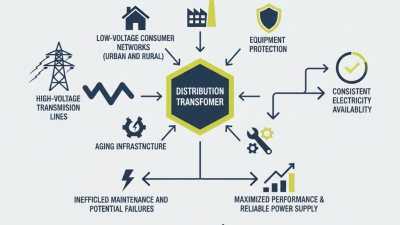
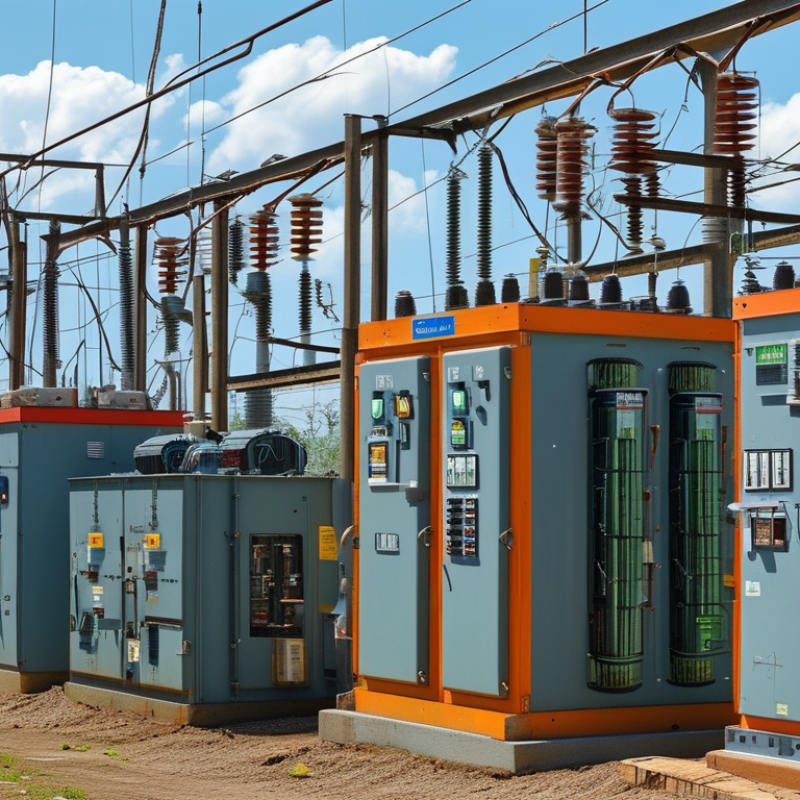
Distribution transformers play a crucial role in electrical power systems. They convert high voltage electricity to a lower voltage for safe use in homes and businesses. Understanding their basics is essential for making informed choices.
Distribution transformers come in various sizes and configurations. The choice depends on factors like load requirements, efficiency, and installation space. Each transformer has a power rating, typically expressed in kilovolt-amperes (kVA). It's vital to match the transformer’s rating with your expected load to avoid underperformance or failure.
Installation and maintenance are just as important as choosing the right transformer. Regular checks can prevent issues like overheating or poor performance. However, it's common to overlook these details. Many fail to inspect connections and insulation. This oversight can lead to safety hazards. Reflecting on these aspects ensures your transformer operates reliably and safely.
Identifying Your Power Needs and Load Requirements
Selecting the right distribution transformer requires a clear understanding of your power needs and load requirements. Electricity demands vary significantly across different settings. Residential areas may need less power than industrial setups, affecting the transformer specifications. Assessing your peak load is essential. Overestimating can lead to unnecessary costs, while underestimating can cause inefficiencies.
When identifying your load requirements, consider future growth. Your initial calculations might not account for increased demand. It's wise to plan for scalability. You may avoid disruptions in your power supply by ensuring the transformer can handle unexpected growth.
**Tips:** Evaluate your current and future needs. Keep an eye on the maximum load you expect. Monitoring usage patterns can offer insights. Always consult with experts for tailored advice. Choosing the right transformer isn't just about meeting immediate needs; it's also about foresight.
Evaluating Transformer Types and Configurations
Selecting the right distribution transformer involves careful evaluation of types and configurations. Different applications require specific ratings, voltages, and configurations. For instance, a three-phase transformer is generally more efficient for industrial use. According to the Institute of Electrical and Electronics Engineers (IEEE), these transformers are often rated between 15 kVA and 5000 kVA. Their configuration impacts not only efficiency but also maintenance needs.
Another factor to consider is the type of insulation used. Oil-filled transformers, for example, may have higher initial costs but offer greater longevity. The U.S. Department of Energy estimates that up to 30% of energy loss occurs in poorly insulated models. Understanding this can help buyers avoid unnecessary expenses.
Lastly, placement and environmental factors play a role. Some transformers work better in outdoor conditions, while others suit indoor spaces. The operational environment dictates the necessary cooling and safety measures, which can complicate the selection process. Not all transformers are created equal, and the wrong choice can lead to performance issues. Regular evaluations are vital for optimizing effectiveness and safety.
Assessing Quality and Efficiency Standards
Selecting the right distribution transformer involves careful consideration of quality and efficiency standards. Knowing how these factors impact your system will improve its reliability. Transformers should meet specific efficiency ratings. Look for models that comply with industry standards. These benchmarks often reflect long-term operational savings.
Tips: Check for certification labels. They indicate adherence to efficient operating standards. A well-rated transformer can reduce energy losses substantially.
Quality assessment is vital. Inspect materials used in construction. High-grade core materials minimize energy wastage. Efficient winding can enhance performance too. Make sure to evaluate the transformer's thermal performance as well.
Tips: Conduct a thorough review of technical specifications. Understand the operational environment and load characteristics. This knowledge can prevent future hiccups in performance. Remember, an informed choice today can save costs down the line.
Considering Installation and Maintenance Factors
When selecting distribution transformers, installation and maintenance are critical considerations. Proper placement can help optimize performance and reduce future issues. Evaluate the installation site carefully. Look for sufficient space, ventilation, and accessibility for repairs. Ensure the area is dry and away from potential hazards. Avoid spaces with excessive heat or moisture, as these factors can impact the transformer's efficiency.
Maintenance plays a vital role in the longevity of your transformer. Regular inspections can detect problems early. Check for signs of wear, leaks, and unusual noises. A scheduled maintenance plan is essential. It might be easy to overlook, but neglecting this could lead to costly downtime. Consider incorporating smart monitoring systems. These can track performance and flag abnormalities.
Don’t forget to assess the expertise of the maintenance team. Skilled technicians can make all the difference. They need to understand the specific requirements of the transformer type you choose. Knowledge is power. In the end, reflecting on installation and maintenance needs is crucial in ensuring reliable operation.