10 Essential Tips for Using Step Transformer Effectively?
In today's fast-paced industrial landscape, the application of a Step Transformer has become crucial for efficient energy management. According to a report from the International Energy Agency, the demand for transformers in electrical distribution systems is expected to grow by 6% annually through 2025. This growing reliance highlights the need for proper utilization of these devices. Step Transformers allow voltage levels to be adjusted, ensuring optimal energy usage and safety in electrical systems.
However, many professionals still overlook best practices when using Step Transformers. A survey conducted by the Electric Power Research Institute revealed that 40% of operators could not identify the optimal loading conditions for their transformers. This gap in knowledge can lead to inefficiencies and increased operational costs. It's vital for users to understand common pitfalls associated with transformers, such as overheating and reduced lifespan. Implementing effective strategies will not only enhance the performance of Step Transformers but also contribute to a more sustainable energy future.
By leveraging the best practices outlined, users can significantly improve their transformer efficiency. This promotes reliability in energy distribution and supports the overall goal of reducing carbon footprints in industrial operations. With informed and sustainable choices, professionals can harness the full potential of Step Transformers, ultimately leading to smarter energy solutions.
Understanding the Basics of Step Transformers
Step transformers play a crucial role in electrical systems, transforming voltage levels to ensure efficient power distribution. Understanding their basics can significantly improve their utilization. A step transformer consists of primary and secondary coils. The number of turns in these coils determines the transformation ratio. This means that a transformer can either step up or step down voltage levels.
When using step transformers, pay close attention to their specifications. Each transformer has a maximum voltage rating and power capacity. Exceeding this can lead to failure or hazards. Proper installation is essential. It's crucial to ensure that connections are secure and that the transformer is grounded well. Often, individuals overlook these details, resulting in inefficient performance or risks.
Regular maintenance is necessary to ensure reliable operation. Inspect the transformers for any signs of wear or damage. Monitoring temperature can also prevent overheating issues. While these steps might seem tedious, they are vital for safety and efficiency. Reflecting on these practices can help users better harness the capabilities of step transformers.
Identifying the Key Components of a Step Transformer
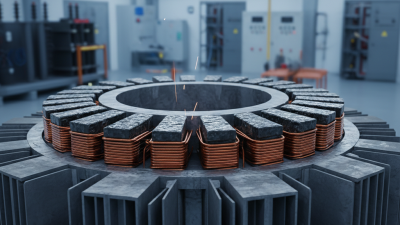
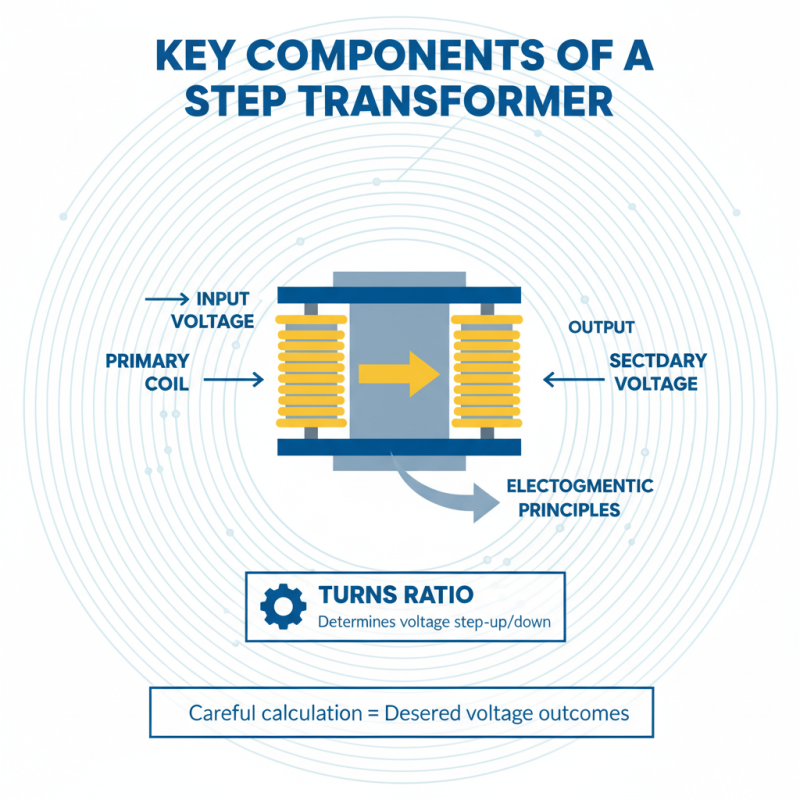
Understanding the key components of a step transformer is crucial for effective use. A step transformer operates primarily on electromagnetic principles to convert voltage levels. It consists of primary and secondary coils. The primary coil receives input voltage, while the secondary coil delivers the output voltage. The turns ratio between these coils determines whether the transformer steps up or steps down the voltage. A careful calculation of this ratio is essential for desired voltage outcomes.
Another important element is the core material. Different materials affect the efficiency and durability of the transformer. Common choices include silicon steel, which enhances magnetic performance. Over time, insulating materials can degrade, impacting functionality and safety. Regular checks can help identify wear and tear. Understanding how these components interact ensures you make informed decisions. Even seasoned technicians can overlook small details, leading to inefficiencies. Each component plays a significant role, and neglect can result in performance issues, requiring a thorough reassessment of the system.
Tips for Proper Installation and Setup of Step Transformers
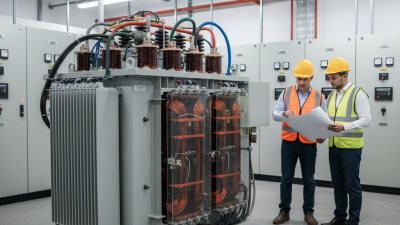
When setting up a step transformer, proper installation is crucial for its efficiency and longevity. First, ensure the area is clean and well-ventilated. Place the transformer on a stable surface to avoid vibration issues. Grounding is essential; use a reliable grounding system to prevent electrical hazards. Keep wiring organized to minimize confusion during installation.
Check all connections before powering up. Tighten screws and secure wires properly to avoid short circuits. It's also vital to follow voltage ratings carefully. Using incorrect voltage may cause overheating and damage. Additionally, ensure there's enough space around the transformer for heat dissipation. Airflow can prevent overheating issues that might arise during operation.
Regular maintenance is necessary after installation. Inspect the transformer periodically for signs of wear. Look for corrosion on terminals and check for any unusual noises. Addressing small issues can prevent significant failures. Always consult a professional when in doubt about the setup or maintenance process. Following these tips can enhance the performance and safety of your step transformer over time.
Common Applications and Uses of Step Transformers
Step transformers play a crucial role in various industrial applications, enhancing efficiency in power distribution. These devices convert voltages, ensuring that electrical energy is transmitted at optimal levels. Key sectors include renewable energy, where step transformers adapt voltages from wind and solar facilities for integration into the grid. According to a report by the International Energy Agency, global renewable energy capacity could reach up to 4,300 GW by 2023. This growing demand places significant pressure on step transformer technology.
In manufacturing, step transformers are vital for machinery that operates at different voltage levels. A report from the U.S. Department of Energy highlights that improper voltage levels can reduce machinery efficiency by up to 30%. Such inefficiencies lead to operational challenges and increased energy costs. Understanding the right application of step transformers can significantly mitigate these issues. Moreover, as industries strive to reduce carbon footprints, the evolving design of step transformers must be continually assessed and improved.
The use of step transformers in data centers is another emerging application. These facilities rely on a stable power supply for continuous operations. Research suggests that a poorly managed power system can result in outages, costing businesses thousands each hour. The effectiveness of step transformers in these settings is crucial. Many data centers are now evaluating their transformer use to optimize reliability and minimize operational risks.
Maintenance Practices for Ensuring Long-Term Efficiency
Maintaining step transformers is crucial for ensuring their long-term efficiency. Regular inspections should be conducted to identify potential issues. According to the Institute of Electrical and Electronics Engineers, a proactive maintenance schedule can increase transformer lifespan by up to 30%. This frequency minimizes unexpected failures and preserves performance.
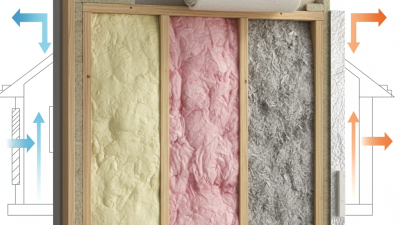
Tip: Perform thermal imaging to detect overheating components. Heat buildup can signal electrical issues before they cause serious damage. Also, keep an eye on oil levels and quality. Proper insulation and lubrication prevent moisture ingress and enhance reliability.
Routine cleaning is essential. Dust and debris can impair cooling and increase operational risks. Data from the National Renewable Energy Laboratory shows that consistent cleaning can improve efficiency by about 10%. Additionally, verify connections regularly. Poor connections can lead to energy loss and equipment failure. Conducting these checks ensures optimal performance and operational safety.